
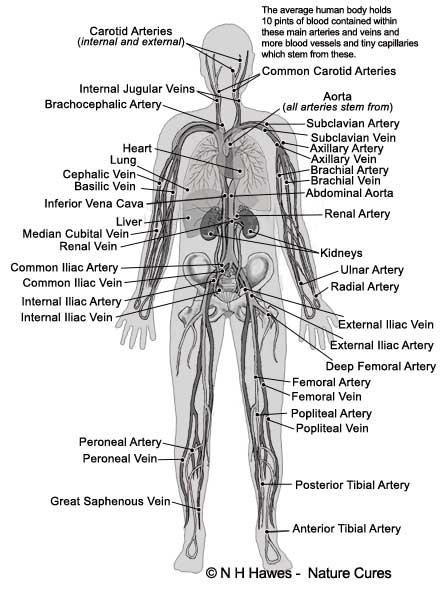
Blood disorders and nutrient imbalances can be genetic, caused by an underlying disease or developed because of the following reasons:
Diet
Poor diet and over indulgence in alcohol, coffee, salt, sugar and refined and processed foods
can also upset the balance of nutrients in the blood due to blocking nutrient absorption and an imbalance of Intestinal flora in the intestines.
See: Feed your friendly bacteria
See: Nutrient deficiencies
Infections
Bacteria, fungal, virus and yeast infections can lead to deficiencies of minerals and other nutrients in the blood and affect the immune system.
- Bacterial infections
- Fungal and yeast infections
- Virus infections
Medications
Medications can cause an imbalance of cells in the blood, kill off friendly bacteria, suppress the immune system as well as block manufacturing and absorption of essential minerals and other nutrients. Some drugs attack human cells and cause debilitating conditions which again affect the immune system. Some drugs artificially mimic processes that occur naturally in the body which then makes the body unable to perform these processes itself. Many of the ‘side effects’ of medications can be responsible for causing blood abnormalities.
Toxins
The toxins from tobacco smoke, artificial food additives, powerful chemical household cleaners, cosmetics, pesticides, herbicides, fungicide and air pollution and can have a debilitating effect on the chemical processes, tissues and various organs in the body when they are concentrated in the blood.
- Artificial food additives
- Chemical household cleaners
- Cosmetics
- Pesticides, herbicides and fungicides
Anaemia
There are two principal causes of anaemia. It can result from reduced or low formation of red blood cells either due to defects in the bone marrow or an inadequate intake of iron, vitamins and protein.
See Anaemia for more details about the various forms of anaemia and natural remedies and diet to treat and cure this condition.
Blood clots and poor circulation
Poor circulation, which can lead to blood clots forming, can be caused by poor diet, too much sugar, sitting for long periods, lack of exercise, obesity, high LDL cholesterol and smoking. Blood clots can be devastating if they break off and travel to the heart (heart attack) or the brain (stroke).
A stroke can lead to paralysed limbs, organs and senses and a miserable life time of disability and care and heart attack can lead to a lifetime of powerful medications which can cause many painful and debilitating side effects. Both a stroke and heart attack can be fatal.
- High LDL cholesterol
- Obesity
- Heart attack
- Stroke
The three stages of blood clotting, also known as haemostasis, are:
- Vascular spasm
- Platelet plug formation
- Coagulation
Foods rich in the flavonoid rutin can treat this condition by preventing venous clots plus this flavonoid acts on the circulatory system to strengthen blood vessels.
Richest natural sources of rutin
Note: Buckwheat and cassava leaves are the richest sources of rutin.
NOTE: Foods rich in rutin should be consumed along with foods rich in vitamin E, vitamin C and hesperidin.
Vitamin B15 has been shown to lower blood cholesterol, improve circulation and general oxygenation of cells and tissues, and is helpful for arteriosclerosis and hypertension.
Balanced levels of cobalt, nickel, vitamin C, vitamin E, vitamin B12 and vitamin B15 are vital for correct functioning of the heart and circulatory system as they all interact with each other.
For natural sources of these nutrients see:
- Cobalt
- Hesperidin
- Nickel
- Vitamin B12
- Vitamin B15
- Vitamin C
- Vitamin E
It is recommended to stand up every 20 minutes and stretch all of the leg muscles to avoid blood clots forming in the veins of the legs. This is especially important on long haul flights due to the cabin pressure imposed upon the body.
Poor circulation can lead to capillary and tissue death from lack of blood supply which can then lead to bacterial infections and eventually gangrene. Therefore it is important to rectify circulation problems as soon as possible after they occur.
Smoking tobacco adds to LDL cholesterol and plaque build up causing restricted passage for the blood in the veins and nicotine adds to this constriction of the veins causing multiple problems including a very high risk of blood clots forming after around 10-20 years of smoking.
Diet is particularly important. Poor nutrition and too much sugar and additives derived from processed and fast foods can cause sluggish thick blood which can cause clots to form anywhere in the body. Being over weight causes pressure and constriction on the veins and strain on the heart making it more difficult to pump blood effectively around the body.
There are many natural foods that can thin the blood, improve circulation and protect the arteries, brain and heart without the side effects of blood thinning medications. The damage caused by these drugs to the liver and intestines can outweigh the beneficial effect. Natural foods also contain the vital nutrients the body requires to function properly whereas drugs can cause severe nutrient deficiencies leading to further health issues which often means that more drugs will be prescribed to rectify the problems caused.
High fibre foods lower LDL cholesterol in the blood such as psyllium husks, legumes, whole grains, fruit and vegetables.
How to make a healthy blood thinning tea
Ginger, turmeric and turnips thin the blood and prevent blood clots and arterial blockages.
Ingredients
- Three cups of bottled at source mineral water
- One knuckle of ginger
- The juice of half a lemon
- The zest of half a lemon
- One teaspoon of pure honey
- Quarter of teaspoon of turmeric
- Three mint or peppermint leaves (optional)
- One cinnamon stick (optional)
- A few cardamom pods (optional)
- One small turnip (optional)
Method
- Wash and thinly slice the ginger and turnip.
- Place in a pan with the cinnamon stick, cardamom pods and mint leaves (if desired), mineral water and lemon zest and bring to the boil.
- Allow to boil for ten minutes then strain the water into a jug.
- Add the lemon juice and honey and stir.
- A cup of this tea can be drunk hot or, if preferred, cold with added ice and lemon slices three times a day. Keep in the refrigerator.
NOTE: Never use a metal teaspoon with honey as the metal kills the beneficial enzymes honey contains.
WARNING: Because this tea will have the same effect as taking blood thinning medications, caution is advised if on these medications due to the risk of excessive bleeding.
See more natural remedies to thin the blood and protect the arteries on the Heart disorders page.
Stroke
Time is of the essence when someone is suffering a stroke. A stroke is a medical emergency as it can cause permanent damage to the neural pathways in the brain and is often fatal if not treated very promptly. The devastating effects can be reversed if a neurologist can treat the patient within three hours. Learn how to instantly recognise the symptoms of a stroke and how to prevent one from occurring through the diet. See Stroke
Bleeding
From the digestive tract and anus: consume psyllium husks, radishes and cinquefoil.
WARNING: Blood in the stools should be checked by a medical practitioner.
Externally: ash gourd, cayenne pepper, lemon, papaya and tea can help to stop bleeding.
Chronic venous insufficiency
This can be a sign of general weakness in the veins. Contributing factors are standing or sitting for long periods, being overweight, not exercising enough and smoking.
Foods rich in rutin can treat this condition by preventing venous clots plus this flavonoid acts on the circulatory system to strengthen blood vessels. Foods rich in rutin should be consumed along with foods rich in vitamin E, vitamin C and hesperidin.
Horse chestnut is good for poor circulation in the veins or chronic venous insufficiency. It is used to relieve symptoms such as swelling and inflammation and strengthen blood vessel walls. The active compound is believed to be aescin. Horse chestnut can be taken as a tea. It can also be applied externally as a compress.
Deep vein thrombosis
A dangerous condition in which blood clots develop in the deep veins of the legs, thighs or pelvis, causing swelling and pain. An embolism is created if a part or all of the blood clot in the deep vein breaks off from the site where it was created and moves through the venous system. If the clot lodges in the lung, a very serious condition, pulmonary embolism, arises. If the clot travels to the brain it can cause a stroke. If it travels to the heart it can cause a heart attack.
Natural foods that can thin the blood and prevent blood clots see Blood clots.
Diabetes
Caused by imbalance of the levels of insulin in the blood or the inability to manufacture or use the insulin in the body. See the Diabetes page for detailed information and natural remedies.
Disseminated intravascular coagulation (DIC)
A condition that causes tiny blood clots and areas of bleeding throughout the body simultaneously. Severe infections, surgery, or complications of pregnancy are conditions that can lead to DIC.
Essential thrombocytosis
Also known as primary thrombocythemia, this condition is when the body produces too many platelets, due to an unknown cause. The platelets do not work properly, resulting in excessive clotting, bleeding or both.
Giant cell arteritis
Giant cell arteritis is a form of vasculitis, a group of disorders that results in inflammation of blood vessels. This inflammation causes the arteries to narrow, impeding adequate blood flow. In giant cell arteritis, the vessels most involved are those of the head, especially the temporal arteries (located on each side of the head) which are the vessels supplying the head, eyes and optic nerves.
For this reason, the disorder is sometimes called temporal arteritis. However, other blood vessels can also become inflamed. this condition may affect any of the medium or large arteries that supply blood to the head, neck, upper body and arms. It is vital to receive early treatment, before irreversible tissue damage occurs.
Symptoms of arteritis
- Fatigue.
- Flu-like symptoms.
- Loss of vision or double vision.
- Pain in the jaw or tongue when chewing.
- Prominence or tenderness of the blood vessels at the temples.
- Severe headaches, pain and tenderness over around the temples and scalp.
- Weight loss.
Although the precise cause of temporal arteritis is unknown, immune system dysfunction may cause it and this could be due to allergies to certain components in foods such as gluten, lactose and lectins. See Food Allergies.
Temporal arteritis has also been linked with severe infections and elevated doses of antibiotic medication and it may occur at the same time as polymyalgia rheumatica which is a painful, inflammatory condition affecting the muscles.
Natural remedies for arteritis
Although natural remedies may help with the condition it must be treated by a medical professional in the first instance. Garlic, ginger, ginko biloba, hawthorn and turmeric may be helpful in restoring normal circulatory function and so can help as a complimentary addition to the diet alongside conventional treatment which is normally with the use of steroids.
Haemochromatosis
Is a hereditary disease characterized by excessive absorption of dietary iron resulting in abnormal high levels of total body iron stores. Excess iron accumulates in tissues and organs disrupting their normal function. The hereditary form of the disease is most common among those of Northern European ancestry, in particular those of British or Irish descent, with a prevalence of 1 in 200. For those patients extra iron will likely worsen their symptoms.
Haemophilia
A genetic deficiency of certain proteins that help the blood to clot. There are multiple forms of haemophilia, ranging in severity from mild to life-threatening. There are two types of haemophilia; type A ( factor VIII deficiency) and type B (factor IX deficiency). Haemophilia is the most common inherited bleeding disorder that mostly affects men. Women rarely have the disease, but they are carriers of the condition and can pass it on to male children. About 30% of patients with haemophilia have no family history of the disease and it seems to occur as a result of spontaneous mutations.
People with haemophilia should take the following precautions:
- Avoid taking aspirin and nonsteroidal anti-inflammatory drugs (NSAIDs).
- Get vaccinated (including infants) with the hepatitis B vaccine.
- Administer factor VIII or IX on a regular basis, to help prevent bleeding and joint damage.
- Avoid circumcising male infants of women known to be carriers until the baby has been tested for haemophilia.
- Carry information at all times identifying the person as someone with haemophilia.
- Contact sports, such as football, rugby, hockey or wrestling, are not safe for people with haemophilia.
- Avoid vitamin E and fish oil supplements as they seem to increase bleeding time by keeping platelets from clumping
- Avoid herbs that cause thinning of the blood such as: cumin, ginkgo biloba, garlic, ginger, ginseng, horse chestnut, turmeric and white willow.
Natural remedies for haemophilia
- Grape seed extract helps to strengthen the blood vessels
- Common stinging nettle helps to strengthen blood vessels and lessen bleeding severity.
- Yarrow helps to strengthen the blood vessels.
Natural foods high in vitamin K can help to strengthen the blood vessels.
Highest sources of vitamin K1 in micrograms per 100 grams
- Basil 1714.5 µg
- Kale 817 µg
- Watercress 252 µg
- Spring onions 207 µg
- Broccoli 148 µg
- Cloves 142 µg
- Brussel sprouts 140.3 µg
- Chilli peppers 105.7 µg)
- Basil 1714.5 µg
- Kale 817 µg
- Watercress 252 µg
- Spring onions 207 µg
- Broccoli 148 µg
- Cloves 142 µg
- Brussel sprouts 140.3 µg
- Chilli peppers 105.7 µg)
- Pickled cucumber 76.7 µg
- Soya beans 70.6 µg
- Spirulina and chlorella algae 70 µg
NOTE: One µg is one microgram. The recommended daily allowance of vitamin K1 is 90 µg for adult women and 120 µg for men.
Vitamin K2 is made by the gut bacteria living in the human intestines. See: Feed your friendly bacteria
WARNING: It is important to limit foods that are rich in vitamin K if pregnant, breast feeding or taking blood thinning medication (such as anticoagulant or anti-platelet drugs)
Heparin induced thrombocytopenia
A low platelet count caused by a reaction against heparin, a blood thinner given to most people who are hospitalised to prevent blood clots. See Medication dangers.
Hypercoaguable state
A hypercoagulable state, also known as thrombophilia or a prothrombotic state, is a condition where there is a tendency for the blood to clot too easily. Most affected people have only a mild excess tendency to clot and may never be diagnosed. Some people develop repeated episodes of blood clotting throughout life requiring them consume plenty of blood thinning natural foods. See Blood clots
Hypocoagulable state
A hypocoagulable state is a condition where the blood’s ability to clot is reduced, meaning it takes longer or is less effective at forming a blood clot. This can be due to a deficiency in clotting factors, a low platelet count, or other factors that impair the coagulation process.
Vitamin K deficiency can cause a hypocoagullable state and is the most commonly diagnosed in infants; however, it can affect patients of any age.
See Vitamin K
Idiopathic thrombocytopenia
A condition causing a persistently low number of platelets in the blood due to an unknown cause. Usually there are no symptoms, yet abnormal bruising, small red spots on the skin (petechiae) or abnormal bleeding can result. A healthy diet can help to alleviate this condition. See below.
Lymphoma
A form of blood cancer that develops in the lymph system. In lymphoma, a white blood cell becomes malignant, multiplying and spreading abnormally. Hodgkin’s lymphoma and non-Hodgkin’s lymphoma are the two major groups of lymphoma.
Natural foods that can help to treat lymphoma
See Cancer
Leukaemia
A form of blood cancer in which a white blood cell becomes malignant and multiplies inside bone marrow. Leukaemia may be acute (rapid and severe) or chronic (slowly progressing). Stem cell transplantation (bone marrow transplant) can treat leukaemia and sometimes result in a cure.
Natural foods that can help treat leukaemia are:
- Ashitaba
- Artichoke
- Basil,
- Celery
- Chicory
- Brussels sprouts
- Cauliflower
- Cabbage
- Cod fish
- Grape seeds
- Halibut
- Mushrooms
- Oily fish
- Olives (in brine)
- Parsley
- Peppermint
- Raspberries
- Thyme
See Cancer
Malaria
A mosquito’s bite transmits a parasite into a person’s blood, where it infects red blood cells. Periodically, the red blood cells rupture, causing fever, chills, and organ damage. This blood infection is most common in Africa; those travelling to Africa are at risk and should take preventive measures.
See Malaria for more details and natural remedies.
Methemoglobinemia
There are two types of methemoglobinaemia; congenital and acquired:
Congenital methemoglobinaemia is characterized by diminished enzymatic reduction of methemoglobin (ie, haemoglobin with its iron in the ferric state) back to functional haemoglobin (ie, haemoglobin with its iron in the ferrous state). Affected patients appear cyanotic (blue tinge to the skin) but are generally asymptomatic.
Acquired methemoglobinaemia usually results from ingestion of specific drugs or agents that cause an increase in the production of methemoglobin. It can be a fatal disease.
Signs and symptoms of methemoglobinaemia include shortness of breath, cyanosis, mental status changes, headache, fatigue, exercise intolerance, dizziness and loss of consciousness.
Arterial blood with elevated methemoglobin levels has a characteristic chocolate-brown colour as compared to normal bright red oxygen-containing arterial blood.
Blue baby syndrome
In early life the foods listed below can cause blue baby syndrome (methemoglobinemia) due to being high in nitrates. They are fine for babies over four months of age, but should be introduced gradually and spinach and beetroot should be fed in moderation (once a week) until year one.
Symptoms of blue baby syndrome are shortness of breath, the skin will turn blue (due to lack of oxygen in the blood) and the baby may lose consciousness. See more about natural foods and hazards to avoid for new babies: Nature cures for babies
MTHFR
Methylenetetrahydrofolate reductase gene mutations are where some people have elevated homocysteine levels caused by a deficiency of B vitamins and folate in their diets. High homocysteine levels are also seen in people with kidney disease, low levels of thyroid hormones, psoriasis, and with certain medications (such as antiepileptic drugs and methotrexate).
It has been recognised that some people have a common genetic variant (called methylenetetrahydrofolate reductase, abbreviated MTHFR) that impairs their ability to process vitamin B9 (folate).
This defective gene leads to elevated levels of homocysteine in some people who inherit MTHFR variants from both parents.
Multiple myeloma
A blood cancer in which a white blood cell called a plasma cell becomes malignant. The plasma cells multiply and release damaging substances that eventually cause organ damage. Multiple myeloma has no cure, but stem cell transplant and/or chemotherapy can allow people to live for years with the condition.
See Cancer
Myelodysplastic syndrome
A family of blood cancers that affect the bone marrow including leucopoenia Myelodysplastic syndrome often progresses very slowly, but may suddenly transform into a severe leukemia. Treatments usually include blood transfusions and chemotherapy. Stem cell transplant can sometimes cure younger people with myelodysplastic syndrome.
Natural foods that can help treat blood cancer
- Grape seeds
- Halibut
- Mushrooms
- Oily fish
- Olives (in brine)
- Parsley
- Peppermint
- Raspberries
- Thyme
See Cancer
Pancytopenia
An abnormally low level of all blood cells produced by the bone marrow. This includes a low level of red blood cells, white blood cells and platelets.
A low level of red blood cells is called anaemia; a decreased number of white blood cell cells is called leucopoenia; and an inadequate number of platelets is called thrombocytopenia.
With lung cancer, pancytopenia usually occurs due to bone marrow suppression from chemotherapy.
Pancytopenia is a relatively common haematological entity. It is a striking feature of many serious and life-threatening illnesses, ranging from simple drug-induced bone marrow hypoplasia, megaloblastic anaemia to fatal bone marrow aphasias and leukaemia. The severity of pancytopenia and the underlying pathology determine the management and prognosis. Thus, identification of the correct cause will help in choosing the appropriate therapy.
See Anaemia
Polycythemia vera
A a condition when the body produces too many blood cells from an unknown cause. The excess red blood cells usually create no problems but may cause blood clots in some people.
Portal Hypertension
Increased pressure within the portal vein blood from the intestines to the liver. Liver cirrhosis is the most common cause.
Sepsis
Sepsis is a bacteria, fungal or viral infection somewhere in the body that spreads into the blood. Symptoms include fever, rapid breathing, respiratory failure and low blood pressure and needs urgent medical attention.
See Sepsis
Thrombocytopenia
A low number of platelets in the blood. Numerous conditions cause thrombocytopenia; most do not result in abnormal bleeding.
Thrombotic thrombocytopenia purpura
A rare blood disorder causing small blood clots to form in blood vessels throughout the body. Platelets are used up in the process, causing a low platelet count.
Varicose veins and phlebitis
Varicose veins usually develop in the legs but can also show up in the vulva or as haemorrhoids, which are a type of varicose veins. Constipation can increase varicose veins and cause haemorrhoids, so drink lots of bottled mineral water, limit salt intake and eat high fibre foods.
Rutin Foods rich in rutin can treat this condition by preventing venous clots plus this flavonoid acts on the circulatory system to strengthen blood vessels. Foods rich in rutin should be consumed along with foods rich in vitamin E, vitamin C and hesperidin.
Butcher’s broom Can treat varicose veins and poor circulation in the veins. Butcher’s broom contains anti-inflammatory and vein-constricting properties that are believed to improve the tone and integrity of veins and shrink the swollen tissue. It can be taken in tea form. The tea has a slightly bitter taste, so a honey can be used to sweeten it. The tea can be made by steeping one teaspoon of the herb in a cup of hot water for 10 to 15 minutes. Butchers broom has also been shown to be effective when applied topically as an ointment or compress.
WARNING: Butcher’s broom should not be used by people with high blood pressure, benign prostatic hyperplasia, by pregnant or nursing women or by people taking alpha blocker or antidepressant, monoamine oxidase (mao) inhibitor drugs.
Raw juice therapy can help to treat varicose veins. The best organic natural foods to juice or make a smoothie with are:
- Beetroot
- Carrot
- Grapes
- Orange
- Plum
- Raisins
- Tomato (cooked)
- Watercress.
The diet should include the following to help treat varicose veins
Vegetables: beetroot, carrots, tomatoes (cooked) and watercress.
Fibre: amaranth, barley, brown rice, millet, oats, psyllium husks, quinoa, rye and teff.
Fruit: berries especially blackberries and cherries plus dates, grapes, oranges, papaya, pomegrantes, plum, raisins and tangerines.
Herbs: borage, gotu kola and horse chestnut as teas.
Spices: cayenne pepper, ginger, nutmeg, paprika, ground peppercorns and turmeric.
WARNING: Avoid plums and prunes if suffering with bladder, kidney or gall stones, joint problems, or osteoporosis
External remedies
Comfrey: A hot fomentation compress), horse chestnut and yarrow can help to treat varicose veins.
Witch hazel: Then external use of the astringent tannins in witch hazel temporarily tighten and soothe aching varicose veins or reduce inflammation in cases of phlebitis (an inflammation of a vein). Witch hazel also contains procyanadins, resin, and flavonoids, all of which add to its soothing, anti-inflammatory properties. A cloth soaked in strong witch hazel tea can provide this relief.
Von Willebrand Disease
Von Willebrand factor is a protein in blood that helps blood to clot. In von Willebrand disease, the body either produces too little of the protein or produces a protein that does not work well. The condition is inherited, but most people with von Willebrand disease have no symptoms and don’t know they have it. Some people with von Willebrand disease will have excessive bleeding after an injury or during surgery.
Nutrient deficiencies
Chromium If chromium is lacking in the diet it can result in blood glucose intolerance (diabetes) which is on the rise. This deficiency could be caused by the soil levels of chromium which has been leached out due to modern day farming techniques and the widespread consumption of refined and processed foods, which are typically low in chromium.
Eating more chromium rich foods could reverse glucose intolerance in a significant number of “at risk” individuals.
Highest sources of chromium in micrograms per 100 grams
- Brewer’s yeast 400 µg
- Mussels 128 µg
- Brazil nut 100 µg
- Oyster 57 µg
- Dates (dried) 29 µg
- Pears 27 µg
- Shrimp 26 µg
- Wholemeal flour 21 µg
- Tomatoes 20 µg
- Mushrooms 17 µg
- Broccoli 16 µg
- Barley (wholegrain) 13 µg
- Hazelnuts 12 µg
- Maize (wholegrain) 9 µg
- Egg yolk 6 µg
- Herring 2 µg
NOTE: One μg is one microgram.
Recommended daily requirement
20 µg for women and 30 µg for men. From 0.2 µg for infants to 45 µg for lactating females. It is advised not to take more than 200 µg per day.
NOTE: Make sure to read the label of Brewer’s Yeast as some inferior products do not contain chromium. High-quality brewer’s yeast powder or flakes contain as much as 60 µg of chromium per tablespoon (15 grams)
Natural sources of chromium in alphabetical order
Aloe vera, barley, black pepper, brewer’s yeast, broccoli, eggs, calf’s liver, dulse, goat’s milk, green beans, legumes, lentils, lettuce (romaine), oats, onions, organ meats, potatoes, rye, green chilli peppers, spices, spirulina, sumac, tomatoes and whole grains.
NOTE: Vitamin C enhances the absorption of dietary chromium therefore foods rich in vitamin C should be consumed at the same time.
Vitamin C (ascorbic acid) is also required in the synthesis of collagen in connective tissue, neurotransmitters, steroid hormones, carnitine, conversion of cholesterol to bile acids and enhances iron bioavailability. It also assists in the prevention of blood clotting and bruising, and strengthening the walls of the capillaries.
See Vitamin C
Iron deficiency may cause nutritional anaemia, lowered resistance to disease, a general run down condition, pale complexion, shortness of breath on manual exertion and loss of interest in sex. Iron is the remedy for anaemia. However, there are several forms of anaemia, and iron deficiency anaemia is only one.
If one is consuming foods rich in iron, one should also eat foods rich in vitamin B9 (foliate) every day, along with foods rich in vitamin B12. Both these vitamins are essential in building healthy blood cells.
Iron deficiency is generally caused by excessive blood loss, malnutrition, infections and by excessive use of drugs and chemicals.
Highest sources of iron in milligrams per 100 grams
- Wheat 6.3 mg
- Black strap molasses 4.7 mg
- Prunes 3.5 mg
- Artichokes 3.4 mg
- Prawns 3.1 mg
- Lean beef 2.9 mg
- Turkey 2.3mg
- Raisins 1.9 mg
- Chicken 1.3 mg
- Tuna 1.3 mg
The recommended daily quantity of iron is 16 mg in a balanced diet for an adult. The maximum daily safe dose is 20 mg.
Vitamin B9 is required for DNA synthesis and cell growth and is important for red blood cell formation, energy production as well as the forming of amino acids.
When deficient in vitamin B9, fatigue, acne, a sore tongue, cracking at the corners of the mouth (same as deficiency of vitamin B2, vitamin B6 as well as iron) can occur. Long term deficiency may result in anaemia and later in osteoporosis, as well as cancer of the bowel and cervix.
WARNING: Deficiency in an unborn baby may increase the risk of the baby being born with spina bifida and other serious defects of the nervous system.
Highest sources of vitamin B9 in micrograms per 100 grams
- Yeast extract 3786 µg
- Brewer’s yeast 2340 µg
- Chicken livers 578 µg
- Basil 310 µg
- Wheat germ 281 µg
- Sunflower seeds 238 µg
- Soya beans 205 µg
- Spinach 194 µg
- Lentils 181 µg
- Chick peas, pinto beans 172 µg
- Shiitake mushrooms 163 µg
- Parsley 152 µg
- Black beans 149 µg
- Peanuts 145 µg
- Navy beans 140 µg
- Asparagus 135 µg
- Turnip greens 118 µg
NOTE: The recommended daily allowance of vitamin B9 is 400 µg for adults. One µg is one microgram.
Vitamin B12 (cyancobalamin) is essential to the metabolism of amino acids and fatty acids and important for the proper function of the nervous system and the maintenance and formation of blood cells.
Deficiency of vitamin B12 can result in a sore tongue, weakness, fatigue, weight loss, back pain, lethargy and apathy. It might further result in loss of balance, decreased reflexes, tingling of the fingers and tinnitus (ringing in the ears). May also result in the raising of the level of homocysteine in the blood which, in high doses, can be toxic to the brain and may be involved in Alzheimer’s and Parkinson’s disease. Severe deficiency may result in pernicious anaemia also called Addisonian pernicious anaemia. Another problem that appears in deficiency is the eroding of the myelin sheath which is the fatty sheath of tissue that insulates the nerve fibres in the body.
Pernicious anaemia
Pernicious anaemia, (B12 deficiency) is an autoimmune condition that prevents the body from absorbing enough vitamin B12 in the diet. Besides anaemia, nerve damage (neuropathy) can eventually result. High doses of B12 prevent long-term problems.
Highest sources of vitamin B12 in micrograms per 100 grams
NOTE: One μg is one microgram.
Fungi, plants and animals are incapable of producing vitamin B12. Only bacteria and archaea have the enzymes required for its synthesis, although many foods are a natural source of B12 because of bacterial symbiosis. Vitamin B12 is stored it in the liver and secreted in the bile as a coenzyme.
Re-absorption takes place in the body and, as long as there are no digestive/absorption issues or liver disorders, both meat eaters and vegetarians will gain enough from a balanced and varied diet which includes raw organically grown vegetables and seeds and nuts which contain vitamin B12 from microbial action in the soil.
Root vegetable with stained spots due to contact to soil, are a good supply of vitamin B12 however, once they are peeled or scrubbed they will no longer contain any vitamin B12. Barley grass is one very good plant source of vitamin B12. Alcohol and many drugs cause vitamin B12 deficiency.
Magnesium Today’s intensive farming techniques have stripped the soil of its magnesium content which can cause deficiency in humans. Deficiency can lead to the development of arteriosclerosis, asthma, depression and confusion, epileptic seizures, heart attack, kidney damage and kidney stones, migraines, muscle cramps, nervous irritability, impaired protein metabolism and premature wrinkles.
Chronic alcoholics often show a low blood plasma magnesium concentration and a high urinary output. They may, therefore, require extra magnesium especially in an acute attack of delirium tremens.
Magnesium is widely distributed in foods and is a part of the chlorophyll in green vegetables but it does depend upon where and how the food is grown. Organically grown natural foods contain more magnesium especially if they come from volcanic regions or the sea.
NOTE: Athletes and anyone that partakes in intense physical activities are often lacking in magnesium as they perspire profusely but do not replace lost minerals so they should consume plenty of these magnesium-rich foods.
Highest sources of magnesium in milligrams per 100 grams
- Rice bran 781 mg
- Basil, coriander, dill and sage 694 mg
- Hemp seeds 640 mg
- Pumpkin and squash seeds 535 mg
- Raw cocoa 499 mg
- Flaxseeds 392 mg
- Brazil nuts 376 mg
- Sesame seeds 353 mg
- Sunflower seeds 346 mg
- Chia seeds 335 mg
- Chlorella 315 mg
- Wheat germ 313 mg
- Cashew nuts 292 mg
- Almonds 268 mg
- Caraway seeds 258 mg
- Black strap molasses and dulse 242 mg
- Buckwheat 231 mg
- Spirulina 189 mg
- Oats 177 mg
- Durum wheat 144 mg
- Macadamia nuts 130 mg
- Adzuki beans 127 mg
- Kelp 121 mg
- Millet 114 mg
- Kale 88 mg
- Amaranth 65 mg
- Globe artichoke 60 mg
- Okra and nettles 57 mg
- Chestnuts 54 mg
- Rocket 47 mg
- Dates 43 mg
- Plantain 37 mg
- Lentils 36 mg
- Butternut squash 34 mg
- Coconut 32 mg
- Potatoes with skin 30 mg
- Passion fruit 29 mg
- Savoy cabbage, halibut 28 mg
- Bananas, rabbit 27 mg
- Bread fruit, green beans 25 mg
- Peas 24 mg
- Raspberries 22 mg
- Guava 22 mg
- Blackberries 20 mg
- Courgettes 18 mg
- Kiwi fruit, fennel, figs 17 mg
- Endive 15 mg
- Cucumber, lettuce 13 mg
The recommended dietary need for magnesium is around 420 mg per day for an average build adult man, 320 mg for women and 450 mg during pregnancy and lactation.
Molybdenum is essential for blood sugar balance and, as with chromium, the soil content of molybdenum is often very low. Diabetics and people with low blood sugar should consume antioxidant foods that contain chromium, vanadium and molybdenum.
Molybdenum deficiency may appear in a person fed entirely through the veins for a very long time or in a person with a genetic problem in which the body cannot use the molybdenum that is eaten in foods. Avoiding sulphur-rich foods may lead to a deficiency of molybdenum.
Natural sources of molybdenum
- Almonds
- Barley
- Beans
- Bell peppers
- Brewer’s yeast
- Carrots
- Celery
- Chia seeds
- Cod
- Cucumber
- Dark green vegetables
- Eggs
- Fennel
- Kombu seaweed
- Legumes
- Lentils
- Lettuce (romaine)
- Oats
- Organ meats
- Nuts
- Peanuts
- Peas
- Rice (brown)
- Sesame seeds
- Tomatoes
- Whole grains
- Yoghurt
Recommended daily amount
No recommended daily amount has been established for molybdenum but safe intakes are thought to be between 150 and 500 mcg per day.
NOTE: Diabetics with low blood sugar should consume antioxidant foods that contain chromium, vanadium and molybdenum.
Potassium Deficiency of potassium may occur due to diuretic medications or during gastrointestinal disturbances with severe vomiting and diarrhoea, diabetic acidosis and potassium-losing nephritis. It causes undue nervous and body tiredness, palpitation of the heart, cloudiness of the mind, nervous shaking of the hands and feet, great sensitivity of the nerves to cold and excessive perspiration of the feet and hands.
In simple cases of potassium deficiency, drinking plenty of tender coconut water daily can make up for it. It is advisable to consume plenty of figs, apricots, prunes, almonds and tomatoes during the use of oral diuretics. Potassium-rich foods should be restricted during acute renal failure and Addison’s disease.
Hyperaemia
Hyperaemia is too much potassium in the blood and is a potentially life-threatening situation because it causes abnormal electrical conduction in the heart and potentially life-threatening heart rhythm problems. High potassium levels are most often associated with kidney failure, in which potassium levels build up and cannot be excreted in the urine.
Medications can be used to lower potassium levels until the kidneys are able to excrete the excess in the urine. However, emergency dialysis may be required to remove the potassium if kidney function is poor.
Beta-blockers and drugs for hypertension are types of medication most commonly prescribed for heart disease and can cause potassium levels to increase in the blood.
WARNING: High potassium foods such as bananas should be consumed in moderation when taking beta-blockers. Consuming too much potassium can be harmful for those whose kidneys are not fully functional. If the kidneys are unable to remove excess potassium from the blood, it could be fatal.
WARNING: Potassium-rich foods should be restricted during acute renal failure and Addison’s disease.
Hypokalaemia
Hypokalaemia is too little potassium in the blood usually from causes like diarrhoea, sweating, vomiting and medications like diuretics or laxatives. It is often seen in diabetic ketoacidosis, where potassium is excessively lost in the urine. Since chemicals in the body are related in their metabolism, low magnesium levels can be associated with hypokalaemia.
Highest sources of potassium in milligrams per 100 grams
- Dried basil, chervil, coriander, dill, parsley 4240 mg
- Sun dried tomatoes 3427 mg
- Raw cocoa 2509 mg
- Whey powder 2289 mg
- Paprika and chilli powder 2280 mg
- Yeast extract 2100 mg
- Rice bran 1485 mg
- Black strap molasses 1464 mg
- Dried soya beans 1364 mg
- Spirulina 1363 mg
- Pistachio nuts 1007 mg
- Squash and pumpkin seeds 919 mg
- Sunflower seeds 850 mg
- Prunes 732 mg
- Almonds 705 mg
- Dates 696 mg
- Whelks 694 mg
- Dried figs 680 mg
- Clams 628 mg
- Watermelon seeds 648 mg
- Chestnuts 592 mg
- Cashews 565 mg
- Breadfruit 490 mg
- Avocados 485 mg
- Walnuts 441mg
- Guava 417 mg
- Brussel sprouts (juiced raw) 389 mg
- Bananas 358 mg
- Passion fruit 348 mg
- Kiwi fruit 316 mg
- Apricots 259 mg
- Coconut water 250 mg
- Orange juice 200 mg
Recommended daily amount
Potassium requirements have not been established but an intake of 800 mg to 1300 mg. per day is estimated as approximately the minimum need.
Sodium imbalance
Too much or too little sodium can cause cells to malfunction. Lethargy, confusion, weakness, swelling, seizures, and coma are some symptoms that can occur with both hypernatraemia or hyponatraemia.
The treatment of these conditions is dependent on the underlying cause, but it is important to correct the sodium imbalance relatively slowly. Rapid correction can cause abnormal flow of water into or out of cells. This is especially important to prevent brain cell damage (central pontinemyolysis).
Cramps in the limbs can sometimes be due to lack of salt due to sweating from intense exercise. A quarter of a teaspoon of unrefined sea salt in water or a fruit juice can bring instant relief.
Hypernatraemia
Hypernatraemia is associated with dehydration, and instead of having too much sodium, there is too little water. This water loss can occur from illnesses with vomiting or diarrhoea, excessive sweating from exercise or fever, or from drinking fluid that has too high concentrations of salt. It can be resolved by drinking plenty of bottled or filtered water and coconut water and pineapple juice and avoiding processed foods and table salt.
Hyponatraemia
Hyponatraemia is caused by water intoxication (drinking so much water that it dilutes the sodium in the blood and overwhelms the kidney’s compensation mechanism) or by a syndrome of inappropriate anti-diuretic hormone secretion which can be associated with illnesses like brain diseases, cancer, pneumonia, thyroid problems and some medications.
Highest sources of sodium in milligrams per 100 grams
- Processed meats (salami etc) 2260 mg
- Processed cheese 1798 mg
- Caviar 1500 mg
- Crab 1072 mg
- Spirulina 1048 mg
- Whey 1079 mg
- Margarine 943 mg
- Olives 735 mg
- Salted peanuts 667 mg
Vitamin B1 deficiency
Beriberi is the vitamin deficiency disease in which the body does not have enough vitamin B1 (thiamine). Beriberi literally means “I can’t, I can’t” in Singhalese, which reflects the crippling effect it has on its victims. Vitamin B1 serves as a coenzyme in the chemical pathway responsible for the metabolism of carbohydrates.
Persons may become deficient in vitamin B1 either by not ingesting enough in the diet or by excess use, which may occur in hyperthyroidism, pregnancy and lactation or fever. Prolonged diarrhoea may impair the body’s ability to absorb vitamin B1 and severe liver disease impairs its use.
Alcohol can cause the body to excrete the B complex of vitamins and minerals. See Alcohol dangers
Symptoms of beri beri
- Abdominal pain
- Anorexia
- Apathy
- Appetite loss
- Constipation
- Depression
- Drowsiness
- Enlarged heart
- Enlarged liver
- Extreme fatigue
- Forgetfulness
- Gastrointestinal disturbances
- General weakness
- Heart changes
- Irritability
- Laboured breathing
- Limb pains
- Mental health disorders (severe)
- Muscle aches
- Nausea
- Nerve damage
- Nervousness
- Neurological disorders
- Numbness of the hands and feet
- Pain and sensitivity
- Peripheral neuropathy
- Poor concentration
- Poor coordination
- Swollen joints
- Tingling sensations
- Vomiting
- Weight loss (severe)
Highest sources of vitamin B1 in milligrams per 100 grams
- Yeast extract 23.38 mg
- Brewer’s yeast 11 mg (dependent upon source check label)
- Rice bran 2.75 mg
- Wheat germ 1.88 mg
- Sesame seeds 1.21 mg
- Sunflower seeds 1.48 mg
- Coriander leaves 1.25 mg
Vitamin B2 deficiency
Deficiency of Vitamin B2 (riboflavin) may manifest itself as cracks and sores at the corners of the mouth, eye disorders, inflammation of the mouth and tongue, dermatitis, dizziness, eczema, hair loss, insomnia, light sensitivity, poor digestion and skin lesions.
Retarded growth and slow mental responses have also been reported. Burning feet can also be indicative of a shortage and it can also cause a lack of red blood cells.
Highest sources of vitamin B2 in milligrams per 100 grams
- Yeast extract 17.5 mg
- Lamb’s liver 4.59 mg
- Baker’s yeast 4 mg
- Parsley 2.38 mg
- Cheese 1.38 mg
Vitamin B3 deficiency
A shortage of vitamin B3 (niacin) may be indicated with symptoms such as canker sores, depression, diarrhoea, dizziness, fatigue, halitosis, headaches, indigestion, insomnia, limb pains, loss of appetite, low blood sugar, muscular weakness, skin eruptions and inflammation. It can also cause raised LDL cholesterol levels in the blood.
Pellagra
Pellegra is the niacin (vitamin B3) deficiency disease and is characterised by bilateral dermatitis (meaning it appears on both sides of the body or limbs), diarrhoea and dementia.
Highest sources of vitamin B3 in milligrams per 100 grams
NOTE: The man-made synthetic version of vitamin B3 has anti-vitamin properties meaning it inhibits the absorption of other vitamins and should be avoided.
- Tuna fish (tinned) 13.3 mg
- Spirulina 12.8 mg
- Calf’s liver 12.6 mg
- Chilli powder 11.6 mg
- Venison 10.8 mg
- Duck 10.4 mg
- Paprika 10 mg
- Sun dried tomatoes 9.1 mg
- Chia seeds 8.8 mg
Vitamin B7 deficiency
Vitamin B7 (biotin) assists in various metabolic chemical conversions, helps with the transfer of carbon dioxide and is also helpful in maintaining a steady blood sugar level.
Deficiency may result in dry scaly skin, fatigue, loss of appetite, nausea and vomiting, mental depression as well as tongue inflammation and high cholesterol. It may also lead to the appearance of severe rashes, fungal infections, brittle hair or even hair loss, muscle pain and mood swings.
There are high levels of a protein called avidin in raw egg whites which bind to vitamin B7 (biotin) which may cause a deficiency of this vitamin if consumed over a few months. When cooked, avidin is partially denatured and binding to biotin is reduced.
However one study showed that 30-40% of the avidin activity was still present in the white after frying or boiling so consumption of cooked egg whites should be limited to about three times a week whereas egg yolks, that contain most of the nutrients and no avidin, should be consumed more often. The other alternative is to eat extra foods rich in vitamin B7 the same day as eating egg whites.
Highest sources of vitamin B7 in micrograms per 100 grams
The Nature Cures diet to resolve blood disorders
A wholesome healthy diet of the natural foods below will boost the immune system and restore the blood levels of all nutrients well as fight off virus, fungal and bacteria infections naturally. If this diet is kept to it can fix many blood disorders. A noticeable difference should be felt within just one week.
The nutritional value of foods is important. Wasting valuable time eating the wrong foods, especially high-sugar low-nutrient processed foods, is damaging the body further and allowing viruses, pathogenic bacteria, yeasts and parasites and worms to flourish.
They all reproduce so fast that just one high sugar and low nutrient meal can help them spread to other parts of the body and cause immeasurable damage. Having the correct nutrients available in the blood will defend the body against this.
See the following to find out how the body uses these elements and what the highest food sources are.
Visit the Cleanse and detoxify page to try that regime first which can clear the body of toxins and infection.
Drink one litre of bottled mineral water per day to avoid chemicals additives such as fluoride and chlorine and provide more of the essential minerals the body needs. One glass should be consumed just before sleeping to help the body eliminate waste and toxins from the body and the brain.
Meat and eggs (Three times a week)
Beef (organic lean grass-fed), eggs, lamb, poultry and game birds, organ meats, rabbit and venison.
Fish (Three times a week)
Bloater fish, carp, cod, eel, halibut, herring, hilsa fish, kipper, mackerel, octopus, pilchards, salmon, sardines, shellfish, sprats, squid, swordfish, trout, tuna (fresh only) and whitebait and all other oily fish.
NOTE: Anchovies are high in sodium so not advised for those with high blood pressure.
WARNING: Deep sea fish and bottom dwelling shellfish can be contaminated with mercury so it is advisable to consume these with some algae (chlorella or seaweed), coriander and other green leafy vegetables or sulphur-rich foods which can chelate (bind to) mercury and eliminate it from the body.
Dairy (Yoghurt and kefir milk daily and cheese three times a week)
Kefir milk, non-pasteurised blue cheese and yoghurt (plain with live cultures)
Whole grains and psuedo-grains (at least one every day)
Amaranth, barley, brown rice, buckwheat, millet, oats, quinoa and teff. Consume one tablespoon of psyllium husks per day in a large glass of water or sprinkled onto meals as it has powerful properties that can support digestion and excretory processes and will work within two days to fix many colon and digestive issues.
Vegetables (a selection of at least four different colours per day)
Algae, alfalfa, artichoke, ashitaba, asparagus, aubergine, avocado, beetroot, bell peppers (all colours), broccoli, Brussel sprouts, carrot, celery, chicory, chilli peppers, collard greens, courgettes, cress, cucumber, daikon, fennel, fenugreek, garlic, kale, kelp, leeks, lettuce, marrow, mushrooms, mustard greens, okra, onions, parsnips, peas, radishes, rocket, seaweed, spinach, spring onions, Swede, sweet potatoes, Swiss chard, tomatoes, turnips and watercress.
Algae Take one tablespoon of dried powdered algae per day. Chlorella and spirulina, contain many important nutrients and minerals often lacking in land-based crops.
Garlic Also consume three or four chopped garlic cloves per day. Let them and other allicin-producing plants, such as chives, leeks, onions and spring onions, stand for ten minutes to allow for the process, that produces allicin in these plants when they are damaged, to take place. Allicin has many powerful properties that benefit the health.
Legumes (Two or three times a week)
Black beans, black-eyed peas, broad beans, chickpeas, legumes, lentils, lima bean, mung beans, navy beans, peas, pinto bean, red kidney beans, soya beans and winged beans.
Fruit (a selection of two or three colours per day)
Apples, apricots, avocado, bananas, berries, cherries, kiwi fruit, lemons, limes, grapefruit, grapes (black or red), mango, maqui berries, mosambi juice, orange, papaya, peaches, pears, pineapple, plums, pomegranate, rosehips, soursop, tangerines and watermelon.
WARNING: Grapefruit can interact with many medications.
Dried foods (Once a day)
Apricots, barley grass, chlorella, dates, figs, goji berries, maqui berries, raisins, spirulina and sultanas.
Juice (pure, additive free, unsweetened – three glasses daily)
Beetroot (raw), carrot, cranberry, elderberry, grape, lemon, lime, mosambi, nasturtium (freshly pressed), orange, papaya, pineapple, pomegranate and tangerine.
NOTE: See Raw juice therapy for many raw juicing and smoothie recipes.
Seeds (as snacks or added to meals daily)
Flaxseeds, hemp, nasturtium, poppy, pumpkin, sesame, sunflower and watermelon. Hempseeds provide the correct balance of omega-6 (inflammatory) to omega-3 (anti-inflammatory) fatty acids and should be consumed daily. A handful of pumpkin seeds can be sprinkled on any dish or in sandwiches daily and add many important nutrients.
Nuts (as snacks or added to meals daily. Best consumed with fresh or dried fruits to obtain the correct balance of vitamin C and E).
Almonds, Brazil nuts (2 per week unless excessive sweating, through exercise or fever, has taken place, then eat 2 per day), cashews, chestnuts, coconut, hazelnuts, macadamia, peanuts, pecans, pine nuts, pistachios and walnuts (5 per day).
NOTE: Always buy unsalted nuts and organic when possible. If salt is required sprinkle with some Himalayan pink salt crystals or unrefined sea salt.
Sprouting seeds
Alfalfa, almond, amaranth, barley, broccoli, buckwheat, cabbage, chickpea, corn, hazelnut, fenugreek, flaxseeds, kamut, leek, lemon grass, lentil, lettuce, milk thistle, mizuna, mung beans, mustard, oat, onion, pea, peanut, radish, rice, rocket, rye, quinoa, sesame, spinach, spring onions, sunflower, turnip and watercress.
NOTE: See Micro-green sprouts to find out how to grow your own sprouts on a windowsill.
Common Herbs (to be used as often as possible daily in meals or as teas)
Basil, cardamom, coriander, cloves, dill, lemongrass, marjoram, mint, oregano, parsley, rosemary, safflower, saffron, sage, tarragon and thyme.
Medicinal Herbs (consume as teas, no more than three cups per day)
Ash gourd, borage, burdock root, black seed, common stinging nettles, dandelion, devil’s claw, drumstick, elecampane, golden seal, ginkgo biloba, horsetail, hydrangea, Japanese or Chinese knotweed, jasmine, huang lian, lavender, liquorice root, milk thistle, noni, oatstraw, pan pien pien, passion flower, pine needles, Queen of the meadow, red clover, scutellaria, slippery elm, yellow dock root and wild strawberry leaf.
Spices (to be used as often as possible in meals daily. Can also be added to teas)
Cardamom, cayenne pepper, cinnamon, cloves (three ground), cumin, coriander, fennel, ginger, Himalayan pink salt crystals, nutmeg, paprika, peppercorns (all colours), sea salt (pure unrefined) and turmeric.
NOTE: A teaspoon of turmeric should be consumed daily due to its powerful compounds that can prevent many ailments. Sprinkle on to egg, fish and vegetable dishes or on brown rice and other grains.
WARNING: Some spices have powerful blood thinning properties such as chilli pepper, cinnamon, ginger and turmeric. If taking blood thinning medications, these spices should be limited.
Oils (cold-pressed only and used to cook with or dress vegetables and salads, especially with foods that contain fat-soluble nutrients, such as carotene, to enable absorption).
Coconut oil, flaxseed, grape seed, coconut oil, olive, rapeseed and a blend of sesame and rice bran oils.
NOTE: Also take one capsule of cod liver or krill oil daily, especially during the winter months between October and April in the Northern hemisphere.
Derivatives (to be consumed and used as desired)
Aloe vera juice, anise seed tea, apple cider vinegar, barley grass (powder or juice), bergamot tea, black strap molasses, brewer’s yeast, brine pickles, caraway seed tea, chamomile tea, cocoa, green tea, honey, kimchi, kombucha, miso, peppermint tea, pine needle tea, sauerkraut, tea and tofu.
NOTE: Barley grass is one of the rare plants to contain vitamin B12 so is a useful addition to the diet of those that limit meat intake.
At least one (and ideally many more) natural foods and derivatives should be consumed each day from each of the categories above. Pick one of the six colours of fruit and vegetables to consume daily. Yellow/orange, white, red, green, black/blue/purple and cream/brown. Nature has kindly colour-coded natural food and each colour provides specific nutrients and minerals in the right balances which are required daily. At least one iron rich green leafy vegetable or herb should be consumed daily.
If appetite does not allow enough consumption, juice them or make teas by steeping them in hot water for 20 minutes, then strain and drink immediately to gain the nutrients without the bulk. Teas can be gently reheated and honey and lemon added to make them more palatable and to add additional beneficial nutrients.
See the Nature’s Colour Codes.
NOTE: Non-heme iron is found in tea and dark green leafy vegetables like spinach and kale. However, tea and green leafy vegetables also contain oxalates that block the absorption of iron. To assist the body in the absorption of non-heme iron eat a couple of strawberries, a kiwi fruit or some orange, tangerine or mango at the same time.
NOTE: To benefit from foods containing fat-soluble nutrients, such as the carotenoids in carrots and tomatoes, always eat together with oily foods like rapeseed oil, olive oil, fish, nut or other seed oils or avocado because carotenoids are fat-soluble, meaning they are only absorbed into the body along with fats and can then assist with the manufacture of the essential vitamin A..
WARNING: Many herbs are powerful and can react with medications. Always check before taking at the same time as any drugs.
WARNING: Some nutritional yeasts, especially brewer’s yeast, can also interact with medications. Those who are on Monoamine Oxidase Inhibitor antidepressants (MAOIs) medication are especially at risk. It is also best avoided by those carrying the herpes virus as it can induce a attack.
NOTE: Try to avoid any foods with additives such as aspartame, E-numbers and other synthetic chemicals. Also cut out coffee, fizzy drinks, sugar and refined and processed foods such as cereals, ready-meals, white flour and white rice (choose whole grains and brown or wild rice).
Related subjects
- A to Z of natural foods and remedies
- A to Z of hazards to health
- A to Z of nutrients
- Heart disorders