
Anaemia, which means “lacking in blood” is among the most common diseases affecting human beings. It denotes a shortage of rich red blood cells and colouring matter and usually results from consumption of refined foods.
Symptoms of anaemia
A haggard look, with lines of strain, premature wrinkles, greyish skin, and dull and tired looking eyes are the main symptoms of anaemia. Other symptoms include
- Dizziness
- Fatigue
- Headaches
- Lack of energy
- Mental health disorders (depression)
- Pale fingers, lips and ear lobes
- Poor memory
- Shortness of breath on exertion
- Slow healing of wounds
- Weakness
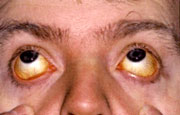
The most obvious symptom which denotes anaemia is a discolouration of the sacs under the eyeball as pictured below shows:
The blood flowing in the veins and arteries is really living tissue. Nearly half of it consists of red blood cells which carry oxygen to the tissues. Approximately one trillion (10,000 million) new blood cells are formed in the bone marrow daily. The raw materials required in the production of these cells are iron, proteins and vitamins, especially vitamin B9 (folic acid) and B12.
The red colouring matter, called haemoglobin is a protein which is composed of an organic iron-compound called “heme”. The globin is a sulphur bearing protein which makes up 96 per cent of the molecule. The formation of haemoglobin depends on adequate dietary supplies of iron and protein.
Red cells have a lifespan of approximately 120 days and are destroyed and replaced daily. Each person should have 100 per cent haemoglobin or about 15 grams to 100 cc of blood, and a blood count of five million red cells per millimetre. A drop in the haemoglobin content results in anaemia and a consequent decreased ability of the blood to carry oxygen to the tissues.
Causes of anaemia
There are two principal causes of anaemia. It can result from reduced or low formation of red blood cells either due to defects in the bone marrow or an inadequate intake of iron, vitamins (especially B vitamins) and protein.
Heavy loss of blood due to injury, bleeding piles and heavy menstruation may also cause anaemia. A lack of digestive acid of hydrochloric acid needed for digestion of iron and proteins may also result in anaemia.
Drinking coffee, emotional strain, anxiety and worry usually interfere with the manufacture of hydrochloric acid in the body. See the Dangers of Coffee.
Anaemia can also be caused by a variety of drugs which destroy vitamins or by others which inactivate the nutrients needed in building blood cells such as the B complex of vitamins. See the Medications dangers.
Too much alcohol can also affect the body’s ability to produce red blood cells. See>> Alcohol dangers
Chronic diseases such as tuberculosis, when accompanied by haemorrhage, may also result in anaemia.
If ingested in excessive quantities, foods containing tannins inhibit the absorption of minerals such as iron, which may, if prolonged, lead to anaemia. In order to prevent these problems, it is advised to drink tea between meals, not during. Foods rich in vitamin C help neutralise tannin’s effects on iron absorption. Adding lemon juice to tea will reduce the negative effect of tannins in iron absorption as well. See tannins to learn more and which foods to avoid.
Other little-known causes of anaemia are intestinal parasites or worms. Hookworm, pinworms, round worms, toxoplasmosis and tapeworms feed on the blood supply as well as on the vitamins. Twenty-five hookworms can consume fifteen grams of blood every 24 hours; a tapeworm can cause acute shortage of vitamin B12. Symptoms of intestinal worms are itching at the rectum, restlessness at night with bad dreams, diarrhoea, foul breath, dark circles under the eyes and a constant desire for food.
Garlic and coconut can help get rid of some types of intestinal parasites. Fresh papaya and grated raw carrot are also effective. To learn more and find out more natural remedies and cures see>> Parasites
Anaemia of chronic disease
People with chronic kidney disease or other chronic diseases tend to develop anaemia. It does not usually require treatment except a healthy diet of natural foods. Blood transfusions may be necessary in some people with this form of anaemia.
Aplastic anaemia
In people with aplastic anaemia, the bone marrow does not produce enough blood cells, including red blood cells. A viral infection, drug side effect or an autoimmune condition can cause it. Blood transfusions and even a bone marrow transplant may be required to treat aplastic anaemia.
Autoimmune haemolytic anaemia
In people with this condition, an overactive immune system destroys the body’s own red blood cells, causing anaemia.
Pernicious anaemia (B12 deficiency)
Pernicious anaemia Is an autoimmune condition that prevents the body from absorbing enough vitamin B12 in the diet. Besides anaemia, nerve damage (neuropathy) can eventually result. High doses of B12 prevent long-term problems.
Pernicious anaemia can result from cobalt deficiency, for which vitamin B12 is a well-known treatment, being an organic complex with cobalt.
Highest sources of vitamin B12 in micrograms per 100 grams
- Clams 98.9 μg
- Liver 83.1 μg
- Barley grass juice 80 μg
- Chlorella algae 70 ug
- Nori seaweed 63.6 μg
- Octopus 36 μg
- Caviar/fish eggs 20.0 μg
- Ashitaba (dried powder) 17.0 μg
- Herring 13.7 μg
- Tuna fish 10.9 μg
- Crab 10.4 μg
- Mackerel 8.7 μg
- Lean grassfed beef 8.2 μg
- Duck eggs, goose eggs, rabbit 6 μg
- Crayfish, pork heart, rainbow trout 5 μg
- Shiitake mushroom 4.8 μg
- Lobster 4 μg
- Lamb, venison 3.7 μg
- Swiss Cheese 3.3 μg
- Salmon 3.2 μg
- Whey powder 2.37 μg
- Golden chanterelle mushrooms 2 μg
- Tuna 1.9 μg
- Halibut 1.2 μg
- Chicken egg 1.1 μg
- Chicken, turkey 1.0 μg
- Anchovies 0.9 μg
- Ashitaba leaves 0.4 μg
NOTE: One μg is one microgram.
Recommended daily requirement of vitamin B12
- Birth-6 months 0.4 μg
- Infants 7–12 months 0.5 μg
- Children 1–3 years 0.9 μg
- Children 4–8 years 1.2 μg
- Boys 9–13 years 1.8 μg
- Girls 9–13 years 1.8 μg
- Adults 19+ years 2.4 μg
- Pregnant teens and women 2.6 μg
- Breastfeeding teens and women 2.8 μg
Fungi, plants and animals are incapable of producing vitamin B12. Only bacteria and archaea have the enzymes required for its synthesis, although many foods are a natural source of B12 because of bacterial symbiosis. Vitamin B12 is stored in the liver and secreted in the bile as a coenzyme.
Re-absorption takes place in the body and, as long as there are no digestive/absorption issues or liver disorders, both meat eaters and vegetarians will gain enough from a balanced and varied diet which includes raw organically grown vegetables and seeds and nuts which contain vitamin B12 from microbial action in the soil.
Root vegetable with stained spots due to contact to soil, are a good supply of vitamin B12 however, once they are peeled or scrubbed, they will no longer contain any vitamin B12. Barley grass is one very good plant source of vitamin B12. Find out how to grow your own barley grass see>> Sprouting greens
Natural sources of cobalt in alphabetical order
- Alfalfa
- Algae and seaweed
- Broccoli
- Clams
- Green leafy vegetables
- Nuts
- Oily fish
- Organ meats
- Oysters
- Spinach
- Watercress
- Whole grains
No daily allowance has been set but only a very small amount, up to 8 micrograms, is considered necessary.
WARNING: Ingestion of above 30 mg of cobalt can cause crop swellings, decreased thyroid gland function and cause heart arrests.
Sickle cell anaemia
A genetic condition that affects mostly Africans. Periodically, red blood cells change shape and block blood flow. Severe pain and organ damage can occur.
Thalassemia
This is a genetic form of anaemia that mostly affects people of Mediterranean heritage. Most people have no symptoms and require no treatment. Others may need regular blood transfusions to relieve anaemia symptoms.
Nutrients required to avoid and treat anaemia
Anaemia is much more easily prevented than corrected. A liberal intake of iron in the formative years can go a long way in preventing iron deficiency anaemia.
Diet is of the utmost importance in the treatment of anaemia. Fibre and almost every phytochemical and many minerals are needed for the production of red blood cells, haemoglobin and the enzymes, required for their synthesis. Refined food like white bread, polished rice, sugar, snacks, cakes and desserts rob the body of the much-needed iron.
Iron should always be taken in its natural organic form as the use of inorganic can prove hazardous, destroying the protective vitamins and unsaturated fatty acids, causing serious liver damage and even miscarriage and delayed or premature births.
It has been proved that a generous intake of iron alone will not help in the regeneration of haemoglobin. The supplies of protein, too, should be adequate. Copper is also essential for the utilisation of iron in the building of haemoglobin.
One common cause of anaemia is intestinal putrefaction, which is primarily brought on by a high meat and low fibre diet. Moreover, all meats are becoming increasingly dangerous due to widespread diseases in the animal kingdom. There are, however, other equally good alternative sources of vitamin B12 such as goat’s and soya milk, eggs, barley grass powder, cheese and peanuts.
Wheat germ, quinoa and soybeans also contain some B12. Vegetarians should include sizeable amounts of milk, milk products, eggs, whole grains and legumes in their diet.
For prevention of anaemia, it is essential to consume the entire B-complex range which includes B12, as well as the natural foods mentioned above. Eating lacto-avo products, which are complete proteins, and which also contain vitamin B12 is good insurance against the disease.
For more information about the importance of the vitamin B complex and the highest natural sources of these vital nutrients follow the links below:
- Vitamin B1 (thiamine)
- Vitamin B2 (riboflavin)
- Vitamin B3 (niacin)
- Vitamin B5 (pantothenic acid)
- Vitamin B6 (pyridoxine)
- Vitamin B9 (folate)
- Vitamin B12 (cyanocobalamin)
Highest sources of iron in milligrams per 100 grams
- Dried apricot 6.3 mg
- Wheat 6.3 mg
- Black strap molasses 4.7 mg
- Prunes 3.5 mg
- Artichokes 3.4 mg
- Prawns 3.1 mg
- Lean beef 2.9 mg
- Turkey 2.3mg
- Raisins 1.9 mg
- Chicken 1.3 mg
- Tuna 1.3 mg
Recommended daily requirements of iron
- Infants birth to 6 months 0.27 mg
- Infants 7-12 months 11 mg
- Children 1-3 years 7 mg
- Children 4-8 years 10 mg
- Children 9-13 years 8 mg
- Adolescent boys 14-18 years 11 mg
- Adolescent girls 14-18 years 15 mg
- Adult men 19+ years 8 mg
- Adult women 19 – to menopause 18 mg
- Pregnant women 27 mg
- Adult women 50+ years 8.7 mg
NOTE: When consuming iron rich foods, one should also consume foods rich in vitamin B9, vitamin B12 and vitamin C every day.
A liberal intake of vitamin C (ascorbic acid) is necessary to facilitate absorption of iron. At least two helpings of citrus fruits and other ascorbic acid rich foods should be taken daily when eating iron rich foods. Too much vitamin E can reduce the body’s stores of iron.
Highest sources of vitamin C in milligrams per 100 grams
- Acerola cherries 1677.6 mg
- Camu camu berries 532 mg
- Rosehips 426 mg
- Green chillies 242.5 mg
- Guavas 228.3 mg
- Yellow bell peppers 183.5 mg
- Black currants 181 mg
- Thyme 160.01 mg
- Red chillies 143.7 mg
- Drumstick pods 141 mg
- Kale 120 mg
- Jalapeno peppers 118.6 mg
- Kiwi fruit 105.4 mg
- Sun dried tomatoes 102 mg
- Broccoli 89 mg
- Brussel sprouts 85 mg
- Cloves, saffron 81 mg
- Chilli pepper 76 mg
- Mustard greens 70 mg
- Cress 69 mg
- Persimmons fruit 66 mg
- Swede 62 mg
- Basil 61 mg
- Papaya 60 mg
- Rosemary 61 mg
- Pomelo fruit 61 mg
- Strawberries 58 mg
- Chives 58 mg
- Oranges 53.2 mg
- Lemons 53 mg
- Pineapple 48 mg
- Cauliflower 48 mg
- Kumquats 43.9 mg
- Watercress 43 mg
- Wasabi root 41.9 mg
- Kidney bean sprouts 38.7 mg
- Melon 36.7 mg
- Elderberries 36 mg
- Breadfruit 29 mg
- Coriander 27 mg
Recommended daily requirement of vitamin C
- Adult men 19+ years 80 mg
- Adult women 19+ years 75 mg
- Pregnant women 19+ years 85 mg
- Pregnant teens 14-18 years 80 mg
- Breastfeeding women 19+ years 120 mg
- Breastfeeding teens 14-18 years 115 mg
- Adolescent boys 14-18 years 75 mg
- Adolescent girls 14-18 years 65 mg
- Children 9-13 years 45 mg
- Children 4-8 years 25 mg
- Children 1-3 years 15 mg
- Infants 7 to 12 months 50 mg
- Birth to six months 40 mg
Natural remedies for anaemia
Consume a wide variety of the foods below in the daily diet to benefit from their powerful properties. Try steaming a wide selection of the vegetables listed with the herbs and spices listed and a tablespoon or two of bottled or filtered water (fastest in the in the microwave 8 minutes approx.) then place in a blender for a deliciously healthy potage soup and eat a small bowl before each meal.
Similarly blend a wide selection of the fruits together with nutmeg, cinnamon and honey to provide a tasty nutritious ‘smoothie’. Add live probiotic organic yoghurt to make the ‘smoothie’ or soup creamy.
Beetroot for treating anaemia
Mention must be made of beetroot which are extremely important in curing anaemia. Beetroot juice contains calcium, copper, iodine, iron, phosphorus, potassium, selenium, sodium, sulphur, zinc, carbohydrates, protein, fats, vitamin B1, vitamin B2, vitamin B3 (niacin), vitamin C and the citrin bioflavonoid. With its high iron content, beetroot juice regenerates and reactivates the red blood cells, supplies the body with fresh oxygen and helps the normal function of vesicular breathing.
Oily fish Consuming plenty of oily fish can help to prevent anaemia. See>> Oily fish
Raw juice therapy can successfully treat anaemia. The best natural foods to juice or blend into a smoothie are:
- Apricot
- Banan
- Beetroot
- Carrot
- Celery
- Prunes
- Grapes, (red and black)
- Strawberries
- Spinach
- Watercress
Drink at least six glasses of bottled natural mineral water daily with one being just before bed.
Meat and eggs (Three times a week)
Beef (organic lean grass fed), game birds, lamb, poultry, organ meats, rabbit and venison.
Fish (Three or four times a week. Naturally fed farmed fish is usually not contaminated by mercury and other ocean pollutants like deep sea caught fish can be however, farmed fish often lacks in vitamin D compared to wild fish)
Anchovies, bloater fish, carp, eel, halibut, herring, hilsa fish, kipper, mackerel, menhaden, octopus, pilchards, salmon, sardines, shellfish, sprats, squid, swordfish, trout, tuna (fresh only) and whitebait.
Dairy
Yoghurt (with live cultures) and kefir milk daily, eggs and cheese three or four times a week.
Vegetables (A selection of at least three or four different colours per day)
Alfalfa, ashitaba, asparagus, aubergine, beetroot, bell peppers (all colours), broccoli, Brussel sprouts, cabbage, carrot, celery, chicory, collard greens, courgettes, cress, fenugreek, garlic, ginger, kelp, mushrooms, mustard greens, okra, onions, parsnips, radish, seaweed, spinach, squashes, Swede, sweet potato, turnips (roots and greens) and watercress.
Legumes (Two or three times a week)
Black beans, black-eyed peas, broad beans, chickpeas, legumes, lentils, lima bean, mung beans, navy beans, peas, pinto bean, red kidney beans, soya beans and winged beans
Grains and pseudo-grains (at least one whole grain every day, one teaspoon of psyllium husks daily)
Amaranth, barley, buckwheat, kamut, oats, psyllium husks, quinoa, rice (brown), rye and teff.
Fruit (A selection of two to three colours fresh or juiced, per day)
Apples, apricot, avocado, bananas, berries, cherries, lemons, limes, grapefruit, peaches, pears, plums, grapes (black), peaches, papaya, mango, melon, mosambi juice, oranges, pomegranate, soursop, strawberries, tangerines and watermelon.
Dried fruit (As snacks or added to meals daily)
Apricots, dates, figs, goji berries, prunes, raisins, sultanas
Seeds (as snacks or added to meals daily)
Butternut squash, flax, hemp, nasturtium, poppy, pumpkin, sesame, sunflower, watermelon
Nuts (a small mixed selection as snacks or added to meals daily)
Almonds, Brazil nuts, cashew nuts, chestnuts, coconut (flesh and juice), hazelnuts, peanuts, pecans, pine nuts and walnuts.
Oils (Cold-pressed. Add to vegetables and salad dishes)
Coconut, flaxseed, nut, fish, olive, rapeseed, rice bran, sesame and sunflower.
For a highly nutritious micro-diet that can help to resolve anaemia see>> Sprouting greens
Common herbs and spices (To be used in meals or consumed as teas as often as possible daily)
Basil, black pepper, cardamom, chilli pepper, cinnamon, coriander, cloves, cumin, dill, fennel, Himalayan pinks salt crystals, lemongrass, nutmeg, oregano, paprika, parsley, peppermint, rosemary, safflower, sage, tarragon, thyme and turmeric.
Medicinal herbs (Consume as teas or add to meals as required)
- Ash gourd
- Ashitaba
- Burdock root
- Stinging nettles
- Dandelion
- Moringa
- Pine needles
- Yellow dock root
- Wild strawberry leaf
Miscellaneous (to be consumed and used as desired on a daily basis)
- Algae and seaweed
- Anise seed tea
- Apple cider vinegar (one tablespoon per day)
- Bergamot tea
- Black strap molasses
- Brewer’s yeast
- Brine pickling for health
- Green tea
- Honey
- Miso
- Sprouted greens
NOTE: Foods containing the fat-soluble nutrients including carotenoids, lycopene, lutein, zeaxanthin and vitamin A, vitamin D, vitamin E and vitamin K must be consumed with some fats at the same time in order to be absorbed. This fat can be from avocado, coconut oil, butter, egg yolks, nuts, oily fish, soybeans or virgin cold pressed plant and seed oils.
To find out which foods these are follow the links below:
NOTE: Non-heme iron is found in vegetables like spinach and kale. Tea, as well as green leafy vegetables has oxalates that block the absorption of iron. To assist the body in the absorption of non-heme iron from tea and those healthy green leafy vegetables, eat a couple of strawberries, an orange, tangerine or some mango if having green leafy vegetables or tea with a meal or snack.
What to avoid under certain circumstances
- Plums and prunes if suffering with kidney or gall stones, joint problems, or osteoporosis
- Cabbage and kale if suffering from thyroid gland problems, kidney or gallstones
- Rosemary if pregnant or breastfeeding or suffering from high blood pressure
- Turmeric, ginger, Japanese knotweed and motherwort if taking anticoagulants (blood thinning medication) or non-steroidal anti-inflammatory such as aspirin and ibuprofen, have heart problems and during the first trimester of pregnancy
Cold water treatment for anaemia
A cold-water bath is among the most valuable curative measures in anaemia. The patient should be given carefully graduated cold baths twice daily. Cold friction, hot Epsom salt bath for five to 10 minutes once a week and an occasional cabinet steam bath are also recommended.
Full sun baths are especially beneficial as sunlight stimulates the production of red cells. There are other important factors which are helpful in curing anaemia. Deep breathing and light exercise like walking and simple yoga should be undertaken to tone up the system.
Sarvangasana paschomittanasana, uttanpadasana and shavasana are recommended. Massage helps to keep the blood level high.
Related subjects