
Glands in the human body manufacture, control and regulate the flow of hormones, breast milk, saliva, tears, urine, sweat, antibodies, salt and other useful fluids and compounds. Mental stress and anxiety influence the flow of hormones and other fluids. Glands are classified as ducted and ductless glands.
- Ducted glands, also called exocrine glands, secrete some chemicals through ducts.
- Ductless glands are called endocrine glands.
Glands receive signals from the brain to release useful fluids. Endocrine glands release hormones directly into the bloodstream. The word hormone was derived from the Greek word ‘hormodezein’ which means “to arouse” While many hormones do arouse to create action in glands and organs, their primary function is to regulate glands and organs.
Hormones are the chemical messengers which facilitate the communication between the brain and the organs. As the nervous system uses nerves to send the required information, the glands in the human body use blood vessels as information channels.
Types of glands in the human body
- Adenoids
- Adrenal
- Gonads
- Hypothalamus
- Immune system
- Kidneys
- Lachrymal
- Lymph
- Pancreas
- Parathyroid
- Parotid
- Pineal
- Pituitary
- Prostate
- Salivary
- Sebaceous
- Spleen
- Sublingual
- Submandibular
- Sweat
- Tonsils
- Thymus
- Thyroid

Disorders of the glands in the body include or can result in the following conditions:
- Acne
- Addison’s disease
- Anxiety
- Chronic fatigue syndrome
- Depression
- Gum disorders
- Diabetes
- Eye disorders
- Gall Stones
- Hyperamylasemia
- Hyperhidrosis
- Hyperthyroidism
- Hypothyroidism
- Insomnia
- Kidney stones and disease
- Mumps
- Pancreatitis
- Prostate disorders
- Salivary stones
- Seasonal affective disorder
- Sialadenitis
- Sjogren’s syndrome
- Skin disorders
- Spleen disorders
Adrenal glands
The adrenal glands look like caps sitting on top of each kidney. Each adrenal is composed of two regions: an outer area called the adrenal cortex and an inner part called the adrenal medulla.
Adrenal cortex
The adrenal cortex produces hormones that belong to a group of chemical compounds known as corticosteroids, corticoids or just steroids. The adrenal cortex makes many different steroids, and the exact number is not known, but it is believed to be over 30. The adrenal cortex has three layers, and each layer produces different corticosteroids.
The adrenal cortex three layers and corresponding steroids
- The mineralocorticoid (outer layer)
- Glucocorticoids (middle layer)
- Androgenic steroids (inner layer)
Mineralocorticoids
Aldosterone is the main mineralocorticoid. It functions to cause the kidneys to reabsorb sodium and excrete potassium. This helps to keep these two ions in balance.
Glucocorticoids
Hydrocortisone is the principal glucocorticoid. Hydrocortisone help regulate the metabolism of carbohydrates, proteins and fats. It also helps humans cope with stress. Glucocorticoids cause a rapid destruction of certain white blood cells, thereby lowering resistance to disease. Because they depress the immune system, glucocorticoids are used to treat many autoimmune diseases. The production of glucocorticoids is under the control of the adrenocorticotropic hormone (ACTH). ACTH is produced by action of the pituitary gland.
Androgenic steroids
These hormones are called androgens and are male sex hormones. Testosterone is the main androgen. While the adrenals of males and females produce near equal amounts of androgens, males have an additional supply of androgens produced by the testes.
Addison’s disease
If the adrenal cortex produces insufficient amounts of glucocorticoids and mineralocorticoids the result is called Addison’s disease.
Causes of Addison’s disease
- Adrenal haemorrhage (Heavy bleeding into the adrenal glands, sometimes linked to meningitis or severe sepsis)
- Adrenalectomy, (Performed to remove tumours or for other reasons)
- The immune system attacking the adrenal glands, leading to insufficient production of hormones cortisol and aldosterone.
- Bacterial infections (such as Tuberculosis or syphilis)
- Cancer cells spreading from other parts of the body
- Fungal infections (such as histoplasmosis),
- Genetic conditions (such as Adrenoleukodystrophy or Autoimmune polyglandular syndrome)
- Tumours
- Virus infections (such as HIV/AIDS)
Secondary adrenal insufficiency, which has similar symptoms, is caused by the pituitary gland not producing enough ACTH, which stimulates the adrenal glands.
Treatments for Cushing’s syndrome (excess cortisol) may, in some cases, lead to secondary adrenal insufficiency.
Secondary Adrenal Insufficiency:
This occurs when the pituitary gland doesn’t produce enough ACTH, which stimulates the adrenal glands. This can be due to pituitary tumours, damage to the pituitary gland, or suddenly stopping corticosteroid medications after long-term use.
Symptoms of Addison’s disease
- Diarrhoea
- Electrolyte imbalance
- Excess pigmentation of the skin (bronzing)
- Fatigue
- Low blood pressure
- Muscular weakness
- Weight loss
- Vomiting
Finding out the root cause and fixing that is obviously important but Addison’s disease can often be controlled with hormone replacement therapy.
Cushing’s disease
Excess production of ACTH or a tumour within the adrenal cortex results in Cushing’s disease. The symptoms of Cushing’s include obesity, high blood pressure, a round “moon” face, muscular weakness, a tendency to bruise easily and poor healing of skin lesions.
See also>> Age spots
Adrenal medulla
The adrenal medulla produces epinephrine and norepinephrine, often called adrenalin and noradrenaline. Both of these hormones are involved in the stress reaction called the “fight or flight response.” When confronted with danger, these two hormones prepare our body to fight or to run. These hormones constrict the blood vessels of the kidneys and digestive system, dilate blood vessels in the heart and brain, raise blood pressure, and increase respiration.
They constrict the blood vessels of the skin so that the body will lose less blood should it be bitten, cut or injured in any other way. They rapidly convert glycogen to glucose, so that there is extra energy. These hormones cause more neurotransmitters to be available to the nervous system, so that the nerves can activate more muscle cells making the body faster and stronger. All of these changes prepare the body to respond to danger.
Natural treatment for hypoadrenalism
Foods rich in vitamin C can be beneficial for treating hypoadrenalism. For highest natural foods see>> Vitamin C
Nickel can be beneficial for treating hypoadrenalism. For highest natural foods see>> Nickel
Tin supports the adrenal glands. In addition to low vitamin C (ascorbic acid) and/or vitamin B1 (thiamine), low levels of tin is a common nutritional cause of low adrenaline, which can lead to left-sided cardiac insufficiency. While fatigue or depression may be experienced with cardiac insufficiency of either side, breathing difficulties or asthma are more common with left-sided cardiac insufficiency and swelling of hands and feet is more common with right-sided cardiac insufficiency, regardless of the cause. For the highest natural food sources see>> Tin
Gonads
These are the sex glands and consist of the ovaries in females and the testes in males. Testes produce sperm and male sex hormones and ovaries produce female sex hormones.
The effect of sex hormones usually becomes noticeable between the ages of 12–15 years of age when humans reach puberty. Puberty is the biological event which brings the child into adolescence. It occurs about one to two years earlier in females than in males.
Puberty begins when the pituitary gland in the brain releases the gonadotropic hormone. The gonadotrophic hormone acts on the gonads causing them to become functionally mature. When this occurs, the person will soon become reproductively mature, and the gonads will greatly increase their production of sex hormones.
These sex hormones produce the secondary sex characteristics for the sexes. These are things such as facial hair in males, the appearance of breasts in females, pubic and axillary hair (hair in the arm pits), lower voice for both sexes and the other characteristics which describe men and women.
Three different groups of hormones are produced by the various organs of the female reproductive system. These are called the oestrogenic hormones (commonly called oestrogen).
- The first group, composed primarily of the hormone beta-estradiol is responsible for maintaining the uterine environment, and it also effects behaviour.
- The second group, composed primarily of progesterone, makes the uterus favourable to the reception of a developing embryo.
- The third, chorionic gonadotrophin, prevents ovulation during pregnancy.
The male sex hormones are called androgens. The main androgen is the steroid hormone known as testosterone. Testosterone causes males to have larger muscle mass and to be more aggressive in behaviour.
See the Menopause page for information about the changes that take place when the ovaries stop producing oestrogen.
Hypothalamus
The hypothalamus Is situated in the brain and gives signals to the other glands particularly the pituitary. The hypothalamus controls blood pressure, hunger, gastrointestinal function, the feeling of fullness (after eating), thirst, water retention, bladder contraction, decreases heart rate, body temperature, sweating, sleep, wakefulness and alertness. It also initiates the anterior pituitary to secrete TSH (Thyroid Stimulating Hormone).
Kidneys
The kidneys extract waste and excess water from blood to make urine. The urine is sent to the urinary bladder through tubes called ureters. When the bladder is full, urine is released from the body through the urethra. For more information about kidney problems and natural remedies see>> Urinary disorders
Lachrymal (lacrimal) gland

The lachrymal glands produce lachrymal fluid (tears), which moisten the surface of the eye, lubricate eyelids and wash away foreign bodies. Tears are a salty fluid which are produced continuously, to keep the surface of the eye from drying out and also to trap dust particles and other airborne material on a film of liquid.
The “windshield wiper” action of the eyelids during a blink sweeps the surface clean every few seconds. Tears also contains antibodies (one of their components being lysozyme) that help protect the eye from infection by breaking up bacteria and foreign bodies.
The eyelids also provide a mechanical barrier against injury, closing reflexively when an object comes too close to the eye. The reflex is triggered by the sight of an approaching object, the touch of an object on the surface of the eye or the eyelashes being exposed to wind or small particles such as dust or sand.
Dry eye syndrome
Potassium is one of the important components that comprise tear film. Tear film includes electrolytes, one of which is potassium. One of the first-line treatments prescribed for dry eye is the use of lubricating drops. It is often recommended to choose a drop with an electrolyte composition closest to that of natural tears. Potassium in addition to bicarbonate appears to be one the most important of these electrolytes in tear film.
Several research studies have demonstrated that potassium levels have a direct impact on tear film. Researchers have found that lower levels of potassium negatively affect tear-film break-up time and also are integral to the maintenance of corneal epithelium. Another study on animal subjects showed that potassium is necessary for the maintenance of normal corneal thickness. Each of these discoveries highlights the importance of potassium to the optimal health of the corneal surface.
Potassium can be lacking in the diet due to intense farming techniques. Intensive physical activity, old age, diabetes, drinking alcohol and taking some medications can also cause the body to have lower levels of potassium.
Potassium is stored in the body, but levels can change rapidly, within minutes, and it takes hours for the body to match potassium intake with elimination. Therefore for dry eyes it is best to consume one of the following food sources daily.
Highest sources of potassium in milligrams per 100 grams
- Dried basil, chervil, coriander, dill, parsley 4240 mg
- Sun dried tomatoes 3427 mg
- Raw cocoa 2509 mg
- Whey powder 2289 mg
- Paprika and chilli powder 2280 mg
- Yeast extract 2100 mg
- Rice bran 1485 mg
- Black strap molasses 1464 mg
- Dried soya beans 1364 mg
- Spirulina 1363 mg
- Pistachio nuts 1007 mg
- Squash and pumpkin seeds 919 mg
- Sunflower seeds 850 mg
Recommended daily requirement of potassium
- Birth-6 months 400 mg
- Infants 7–12 months 700-860 mg
- Children 1–3 years 2,000 mg
- Children 4–8 years 2,300 mg
- Boys 9–13 years 2,500 mg
- Girls 9–13 years 2,300 mg
- Boys 14-18 years 3,000 mg
- Girls 14-18 years 2,300 mg
- Adults males 19+ years 3,400 mg
- Adult females 19+ years 2,600 mg
- Pregnant teens and women 2,900 mg
- Breastfeeding teens and women 2,800 mg
NOTE: Individuals with kidney disorders may need to restrict their potassium intake and should consult with a healthcare professional.
NOTE: Certain medications can affect potassium levels, so it’s essential to discuss potassium intake with a doctor if taking any medications.
Sjogren’s syndrome
If the lacrimal glands don’t produce enough tears, the eyes can become painfully dry and can be damaged. A rare cause of inadequate tear production is Sjogren’s syndrome. The eyes can also become dry when evaporation causes an excessive loss of tears, for example, if the eyelids don’t close properly. For more information on eye conditions and diseases and natural remedies to treat them se>> Eye disorders
The lymphatic system is part of the immune system and is a channel that carries a clear or whitish fluid called the lymph.
Lymph
This is a clear fluid that travels via the lymphatic channels. This contains fluid, debris, chemicals, toxins, bacteria, viruses and lymphocytes on its way back from the tissues.
The lymph channels
These are a network of tubes or vessels much like the blood vessels that cover all the tissues of the body. The lymphatic channels get progressively smaller as they pass into distant organs and tissues. For example, the vessel at the beginning of the arm is thicker. It branches into thinner tubes that progressively become thinner and thinner as they travel up to the fingers.
At the tips of the fingers the vessels may be the thinnest with places where they may be only a few cells thick. These are called lymphatic capillaries. The walls of the capillaries are usually single cell thick. This helps in the movement of the immunity producing cells called lymphocytes (type of white blood cells), and the toxins, germs and chemicals to move into the lymph capillaries freely.
The arteries also branch similarly at the tips of the organs. These capillaries give out a clear fluid called the plasma. This plasma bathes the tissues and enters the lymphatic channels as lymph.
The lymph channels eventually drain at a large lymphatic vessel called the thoracic duct at the chest that drains into a blood vessel. All the filtered fluid, salts and proteins as well as the debris ends up in the blood stream.
The lymph nodes
The lymph nodes are small bean shaped glands or bulbs that tend to occur in clusters similar to grapes. Along the lymph channels reside approximately 600 lymph nodes. These act as filters that sieve off the harmful substances brought by the lymphatic channels.
The lymphatic channels of the fingers, hand and arm for example comes to be filtered at the lymph nodes that lie at the elbow and the arm pit.
Similarly, those of the legs, toes and thighs drain into nodes behind the knees and the groin.
Lymph channels from the face, head and scalp drain at the nodes present at the back of the head, behind the ears and sides of the neck.
Some lymph nodes are located deeper within the body at the chest (between the two lobes of the lungs), around the coils of the intestines, in the pelvis etc.
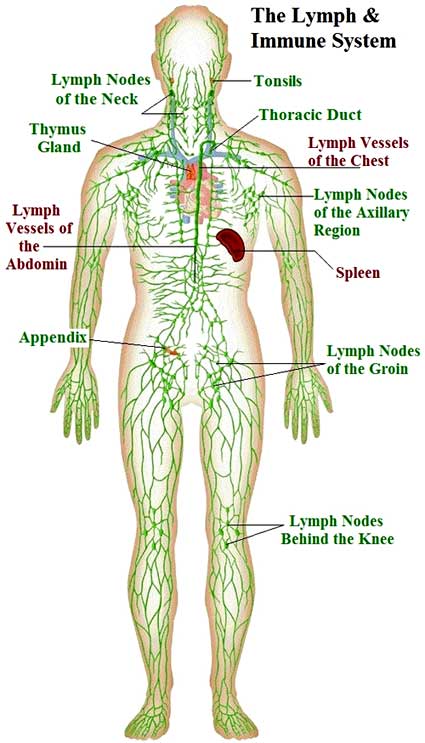
The lymph nodes contain two regions within them which include the cortex and the medulla. The cortex contains collections of lymphocytes. These contain predominantly B-lymphocytes and some T-lymphocytes.
The B lymphocytes mature completely within the bone marrow while the T lymphocytes exit the bone marrow immature and attain maturity within the thymus. The lymphatic system also contains the thymus that lies behind the chest bone.
The lymphatic vessels entering the lymph nodes are called afferent lymphatic vessels and those exiting are called efferent lymphatic vessels.
Spleen
The lymphatic system also consists of other organs like the spleen that lies on the above left sided part of the abdomen. It acts like a large filter to remove worn out and damaged red blood cells from the blood and recycle them. The spleen also contains B lymphocytes and T lymphocytes. When blood passes through the organ these cells pick up the infections.
Tonsils and Adenoids
These are also part of the lymphatic system and lie at the back of the throat. These are sentinels that protect the digestive system and the lungs from bacteria and viruses.
Functions of the lymphatic system
Drainage of fluid from blood stream into the tissues: The circulating blood through narrow vessels leads to leakage of fluid or plasma into the tissues carrying oxygen and nutrients to the tissues and carrying waste materials from the tissues into the lymph channels. The leaked fluid drains into the lymph vessels. This forms a circulatory system of fluids within the body.
Filtration of the lymph at the lymph nodes: The nodes contain white blood cells that can attack any bacteria or viruses they find in the lymph as it flows through the lymph nodes. The cancer cells may also get trapped similarly at the lymph nodes and thus lymph nodes act as indicators of how far the cancer has already spread.
Filtering blood: This is done by the spleen. The spleen filters out bacteria, viruses and other foreign particles.
Raise an immune reaction and fight infections: The lymphatic system especially the lymph nodes are overactive in case of an infection the lymph nodes or glands often swell up in case of a local infection.
Scrofula
Scrofula is the term used for lymphadenopathy of the neck, usually as a result of an infection in the lymph nodes, known as lymphadenitis. It can be caused by tuberculosis or a non-tuberculosis bacterial infection. Mycobacterium tuberculosis is the bacteria that causes tuberculosis. For natural antibiotic remedies see>> Scrofula
Natural remedy for lymph system disorders
Calendula, cleavers and mullien are three powerful herbs that can stimulate and cleanse congestion and mucus from the lymph system and relieve the symptoms of tonsillitis and other related swellings of the throat, neck, arms and groin.
To make a tea
- 2 parts calendula
- 2 parts cleavers
- 1 part mullein
Place the herbs in a small saucepan and cover with cold water.
- Heat slowly and simmer, covered for 20-45 minutes. The longer you simmer the herbs, the stronger the tea will be.
- Strain and consume 2 or 3 cups a day for several weeks.
- Reheat and add freshly squeezed lemon juice and a teaspoon of honey for added benefits and taste.
Pancreas
The pancreas lies between the kidneys. Cells known as the islets of Langerhans are scattered throughout the pancreas. The islets of Langerhans have two types of cells: alpha cells which produce a hormone called glucagon, and the beta cells which produce a hormone called insulin. Insulin is the hormone which escorts glucose across the cell membrane.
Without insulin, glucose cannot enter the cell and, therefore, cannot be used to produce energy. Glucagon functions to cause the liver to convert more glycogen to glucose, thereby, raising the blood sugar level.
If the Islets of Langerhans stop or lessen their production of insulin, the result is diabetes mellitus. The symptoms of diabetes include loss of weight, excessive thirst, increase in urination, itching in the skin and fatigue. Because glucose cannot enter cells, the blood sugar level is high.
This high blood sugar level causes sugar to be excreted in urine. High volumes of water are needed to remove the sugar from the kidneys. Since water is used for this purpose, thirst occurs to replace this lost water. For more information and natural remedies and nutrients to treat this condition see>> Diabetes
Amylase is an enzyme that helps digest carbohydrates. It is produced in the pancreas and the salivary glands. When too much amylase is secreted, the condition is called Hyperamylasemia (high blood amylase level)
Increased blood amylase levels may occur due to:
- Acute pancreatitis
- Cancer of the pancreas, ovaries or lungs
- Cystitis
- Gallbladder attack caused by disease
- Gastroenteritis (severe)
- Infection of the salivary glands (such as mumps) or a blockage
- Intestinal blockage
- Macroamylasaemia
- Pancreatic or bile duct blockage
- Perforated ulcer
- Tubal pregnancy (may have burst open)
- Decreased amylase levels may occur due to:
- Cancer of the pancreas
- Damage to the pancreas
- Kidney disease
- Toxaemia of pregnancy
For more information and natural remedies see the following:
Parathyroid glands
On the back side of the thyroid gland are four small bodies known as the parathyroid glands. These are the smallest endocrine glands. The parathyroid glands produce the parathyroid hormone which plays an important role in regulating calcium and phosphate ions in blood. These two ions are important in nerve and muscle function and in maintaining bone structure.
Vitamin D is important to the parathyroid glands because it promotes retention of calcium and phosphate. Without vitamin D bones cannot develop and they become soft and bend. This is the disease called rickets in children. Adults lacking in vitamin D can lose important minerals from the bones causing them to become porous and brittle and osteoporosis is the result.
10-15 minutes of midday sunshine on the skin can provide all the body needs. It is not the same as sunbathing; the skin simply needs to be exposed to sunlight. Through a window is not enough plus sunscreens or covering the skin prevents it. Over exposure of the sun’s rays can be dangerous for the skin but no exposure at all can be equally detrimental to the bones and teeth.
Ultraviolet B (UVB) rays in sunlight convert cholesterol in the skin into vitamin D. During the winter months (October-April) when it is too cold to expose the skin to the sun and in the northern hemisphere there is not enough UVB rays from the sun anyway, it is advisable to raise the weekly intake of oily fish and cod liver oil.
High strength red krill oil capsules are the best choice as krill also contain omega-3 fatty acids and astaxanthin which is a very powerful antioxidant. Also krill reside high up in the ocean and is very short-lived so does not get contaminated by mercury like other sea creatures do.
If a blood test shows very low levels, then supplements may be required. Supplements must be vitamin D3 and not D2 and vitamin K2 is required as well plus vitamin D is fat-soluble so must be taken with some oil. Supplements can be purchased in capsules with some oil which is the best choice.
Highest sources of vitamin D per serving listed
- Krill oil – 1 teaspoon: 1000 IU
- Eel – 85 g or 3 oz: 792 IU
- Maitake mushrooms – 70 g: 786 IU
- Rainbow trout – 85 g or 3 oz: 540 IU
- Cod liver oil – 1 teaspoon: 440 IU
- Mackerel – 85 g or 3 oz: 400 IU
- Salmon – 85 g or 3 oz: 400 IU
- Halibut – 85 g or 3 oz: 196 IU
- Tuna – 85 g or 3 oz: 228 IU
- Sardines – 85 g or 3 oz: 164 IU
- Chanterelle mushrooms – 85 g or 3 oz: 155 IU
- Raw milk – 1 glass or 8 oz: 98 IU
- Egg yolk – 1 large: 41 IU
- Caviar – 28g or 1 oz: 33 IU
- Hemp seeds – 100 g or 3.5 oz: 22 IU
- Portabella mushrooms – 85 g or 3 oz: 6 IU
NOTE: One IU is the biological equivalent of 0.3 μg or 0.3 micrograms.
For more natural remedies see>> Bone and joint disorders
Peyer’s patches
These are round or ovoid bundles of lymphatic tissue made up of unencapsulated lymphatic cells that protect the mucous membranes of the small intestines (the ileum) from infection. While the complete role and function of these lymphoid tissues is uncertain, they contain lymphocytes such as T cells and B cells so that when an infection occurs, the Peyer’s patches can protect the interior of the intestine.
Pineal gland
The pineal gland is situated in the brain and manufactures melatonin for correct sleeping patterns, helps with reproductive cycles, sends hormonal messages to the hypothalamus and needs sunlight to function properly. The pineal gland, attached to the lower surface of the brain, is considered an endocrine gland. The pineal gland secretes two hormones: serotonin and melatonin.
Serotonin functions as a neurotransmitter and has been proven to be involved in some depression. The pineal gland is stimulated to produce serotonin by sunlight.
Seasonal Affective Disorder
The lack of sunlight in winter can result in a type of depression called Seasonal Affective Disorder or SAD. SAD can usually be treated with lights which mimic the sun’s effect on the pineal gland.
Melatonin is a hormone which triggers sleep. Melatonin may also be useful to correct “jet lag,” as it can be used to alter the body’s “biological clock”. See>> Brain and mental health disorders
Pituitary gland
This is called the “master gland” because its various hormones regulate all other endocrine glands. It is located at the place in the brain where the sensory nerves originate near the top of the brain stem and is connected to the brain by a short stalk called the infundibulum.
The pituitary gland is about the size of a cherry and is divided into three regions. Of these, the anterior (front part) lobe is the largest. The posterior (back part) is only slightly smaller than the anterior lobe. Between the anterior and posterior lobes is third region, the pars intermedia. Each of these regions produces its own group of hormones.
Pituitary anterior lobe
This produces the somatotrophic hormone, which in people is commonly called the human growth hormone (HGH). If this hormone is produced in greater than normal quantities, the bones grow very long. HGH acts to prevent the epiphyseal junction from forming, thus making continued growth possible in these bones.
The result of this greater than normal production of HGH is pituitary giantism and people with this condition may grow to be 9 feet tall. Giantism is accompanied by a corresponding increase in size of the internal organs. If there is an increased secretion of HGH after the appearance of the epiphyseal line, the long bones do not grow. However, there is growth in the bones of the face, hands and feet. This condition is called acromegaly.
Deficiency of HGH causes pituitary dwarfism. If dwarfism is recognised early in a child or adolescent, HGH produced through genetic engineering can be administered causing the child to grow.
A second hormone produced by the anterior pituitary is prolactin. In mammals, prolactin stimulates the production of milk in the mammary glands which is used to nourish the young. It may also stimulate maternal behaviour.
A third hormone secreted by the anterior pituitary is the thyroid stimulating hormone. This hormone causes the thyroid gland to function, and if this hormone is absent, the thyroid gland shuts down.
The anterior lobe of the pituitary also produces the adrenocorticotropic hormone (ACTH). ACTH influences the number of various corticoids produced by the cortex of the adrenal glands. Corticoids help regulate the amount of minerals in the body, as well as carbohydrate metabolism.
The anterior pituitary also produces the two gonadotrophic hormones, the follicle-stimulating hormone and the luteinizing hormone. The follicle-stimulating hormone (FSH) causes both egg cells and sperm cells to mature so that reproduction can occur. The luteinizing hormone (LH) works with the follicle-stimulating hormone to prepare the female body to nourish a developing child during pregnancy.
Pituitary posterior lobe
This secretes two hormones, the antidiuretic hormone (ADH) and the oxytocic hormone. ADH controls the reabsorption of water from the kidneys into the blood stream. If this hormone is deficient, the blood stream does not reabsorb water from the kidneys and urine is formed in excess amounts. The resulting disease, called diabetes insipidus, may result in the excretion of as much as 10 gallons of urine per day. ADH also increases blood pressure.
Once it was believed that a separate hormone, called vasopressin, acted on the walls of arteries to produce an increase in blood pressure (hypertension); but it was recently discovered that vasopressin is, in actuality, ADH. A diuretic drug stimulates urination, usually by decreasing the action of ADH. By doing this, diuretic drugs are useful in controlling high blood pressure.
The oxytocic hormone (oxytocin) causes the contractions which lead to childbirth. The oxytocic hormone also increases blood pressure and decreases the formation of urine during pregnancy.
Pituitary pars intermedia
This produces a hormone called intermedin. Little is known of the function of this hormone in people. In fish it functions to darken the scales.
Prostate
The prostate’s purpose is to help with the male reproductive system. It makes up to 70% of the fluid that is ejaculated during intercourse, mixing its secretions with the sperm that are made in the testicles. The prostate also contracts at the time of ejaculation to prevent retrograde (backward) flow of semen into the bladder.
Salivary glands

Are situated in the buccal cavity and secretes amylase. Amylase is an enzyme that helps digest carbohydrates. It is produced in the pancreas and the salivary glands.
Salivary glands produce as much as a quart of saliva each day. Saliva is important to lubricate the mouth, help with swallowing, protects teeth against bacteria and aids in the digestion of food. The three major pairs of salivary glands are:
- Parotid glands – on the sides of the face
- Submandibular glands – at the floor of the mouth
- Sublingual glands – under the tongue
There are also several hundred minor salivary glands throughout the mouth and throat. Saliva drains into the mouth through small tubes called ducts.
Sore, swollen and bleeding gums
Dental health usually focuses on preventing cavities in the teeth. But it’s important to pay attention to the gums, too. Gums play a major role not only in dental health, but in the overall well-being. In many instances, swollen and bleeding gums are a sign of gum disease. However, there are a number of other factors that could be causing gum problems. For natural protection and treatments of gum and teeth problems see>> Teeth and gum disorders
When there is a problem with the salivary glands or ducts, symptoms such as salivary gland swelling, dry mouth, pain, fever and foul-tasting drainage into the mouth may be experienced. Many different problems can interfere with the function of the salivary glands or block the ducts so that they cannot drain saliva. Following are some of the more common salivary gland problems:
Bacterial Infections
These generally cause one-sided salivary gland swelling. Other symptoms such as fever and pain will accompany the swelling. The bacteria are typically those found normally in the mouth, as well as staph bacteria. These infections most often affect the parotid gland. Dehydration and malnutrition increase the risk of getting a bacterial infection. For more information and natural foods to protect against and cure bacterial infections see>> Bacterial infections and natural antibiotics
Cysts
Cysts can develop in the salivary glands if injuries, infections, tumours or salivary stones block the flow of saliva. Some babies are born with cysts in the parotid gland due to a problem with the development of the ears. It can appear as a blister or soft, raised area. Cysts may interfere with eating and speaking.
Salivary stones or sialoliths
The most common cause of swollen salivary glands, salivary stones are accumulations of crystallized saliva deposits. Sometimes salivary stones can block the flow of saliva. When saliva cannot exit through the ducts, it backs up into the gland, causing pain and swelling. Pain is usually intermittent, is felt in one gland, and gets progressively worse. Unless the blockage is cleared, the gland is likely to become infected.
Sialadenitis
Bacterial infection of the salivary gland, most commonly the parotid gland, may result when the duct into the mouth is blocked. Sialadenitis creates a painful lump in the gland and foul-tasting pus drains into the mouth. Sialadenitis is more common in older adults with salivary stones, but it can also occur in babies during the first few weeks after birth. If not treated, salivary gland infections can cause severe pain, high fevers and abscess (pus collection).
Viral Infections
Viral infections such as mumps, flu and others can cause swelling of the salivary glands. Swelling occurs in parotid glands on both sides of the face, giving the appearance of “chipmunk cheeks.” Salivary gland swelling is commonly associated with mumps, occurring in about 30% to 40% of mumps infections. It usually begins approximately 48 hours after the start of other symptoms such as fever and headache.
Other viral illnesses that cause salivary gland swelling include the Epstein-Barr virus (EBV), cytomegalovirus (CMV), Coxsackie virus and the human immunodeficiency virus (HIV). For natural food remedies and protection against see>> Virus infections
Warthin’s tumour
Warthin’s tumour (papillary cystadenoma lymphomatosum) is a benign salivary (parotid) gland tumour. For natural remedies see>> Warthin’s tumour
Sebaceous glands
These are the glands in the skin that secrete an oily/waxy matter, called sebum, to lubricate and waterproof the skin and hair. They are especially abundant on the face and scalp but are distributed all over the body except for the palms of the hands and soles of the feet.
Sebum (Latin meaning fat or tallow) is made of triglyceride oils, wax, squalene and metabolites of fat-producing cells. The sebaceous glands are classified as holocrine glands because sebum is produced within specialized cells and is released as these cells burst. Sebum acts as a delivery system for antioxidants, antimicrobial lipids, pheromones and provides hydration of the skin.
Sebum is odourless, but its bacterial breakdown can produce odours. Sebum is the cause greasy hair and earwax is partly composed of sebum.
Perspiration (sweating, transpiration, or diaphoresis) is the production of fluids secreted by the sweat glands in the skin. Two types of sweat glands can be found in humans: Eccrine glands and apocrine glands. The eccrine sweat glands are distributed over much of the body.
In humans, sweating is primarily a means of thermoregulation which is achieved by the water-rich secretion of the eccrine glands. Maximum sweat rates of an adult can be up to 2-4 litres per hour or 10-14 litres per day.
Evaporation of sweat from the skin surface has a cooling effect due to the evaporation of water. Hence, in hot weather, or when the individual’s muscles heat up due to exertion, more sweat is produced. Animals with few sweat glands, such as dogs, accomplish similar temperature regulation results by panting, which evaporates water from the moist lining of the oral cavity and pharynx.
Primates and horses have armpits that sweat like those of humans. Although sweating is found in a wide variety of mammals, relatively few, such as humans and horses, produce large amounts of sweat in order to cool down
Hyperhidrosis
Hyperhidrosis means excessive sweating. It can be localised or affect the whole body. Sweating is controlled by the brain, which sends signals along nerves called “sympathetic nerves” to the small sweat glands in the skin. These nerves are part of the “autonomic nervous system” which controls many unconscious body functions. Increased sweating is a normal response to a rise in body temperature and to emotions such as anxiety.
Localised symmetrical hyperhidrosis is the most common type of hyperhidrosis, this affects certain body sites (localised), and both sides equally (symmetrical). The palms, soles, under arm skin, face and scalp, or a combination of these, can be affected. The cause is not known. It often begins in the teens and tends to improve slowly as you get older. This type of hyperhidrosis is also called focal or primary hyperhidrosis.
Generalised hyperhidrosis (affecting the whole body) can be caused by some illnesses including infections, and by hormonal conditions including the menopause, diabetes and an overactive thyroid gland. This type of hyperhidrosis is called secondary hyperhidrosis. Some medicines can also cause excessive sweating, including fluoxetine (Prozac) and similar antidepressants. Sometimes no cause can be found.
Disease or irritation of the sympathetic nerves is a rare cause of increased sweating, either generally or in localised areas (typically just on one side).
Anxiety can trigger or worsen hyperhidrosis, but this does not necessarily mean that the affected person is unusually anxious or stressed. Sometimes worry about sweating can create a vicious circle making the problem worse.
Hyperhidrosis is a feature of some rare inherited conditions. There is a trend for the common localised symmetrical type to run in families and up to a third of sufferers may have a family member with the condition.
Symptoms of hyperhidrosis
Visible sweat, wet clothes and a clammy handshake can be embarrassing and can interfere with work and personal relationships. Some people find hand sweating produces problems writing on paper.
Hyperhidrosis affects the water-producing (eccrine) sweat glands and not the apocrine sweat glands which produce the oilier type of sweat which causes odour, especially under the arms. Therefore bad odour is not a direct result of hyperhidrosis; however, if sweaty feet get soggy inside shoes, overgrowth of harmless skin bacteria can cause a bad smell.
Alcohol, certain medications and spicy foods can bring on an episode of hyperhidrosis.
Thymus
The thymus is located in the upper part of the chest. It is made of two lobes that join in front of the trachea. The thymus is an important part of children’s immune systems. It grows larger until puberty and then begins to shrink. The thymus produces a hormone called thymosin, which stimulates the T cells in the other lymphatic organs to mature. This gland also produces another hormone called thymopoietin, which is protein present in the mRNA (messenger RNA) and is encoded by the TMPO gene.
The thymus gland is very active in childhood. It plays a crucial role in developing and improving a child’s immune system. The main thymus gland function is to produce and process lymphocytes or T cells (in T cells ‘T’ stands for thymus derived). Lymphocytes are white blood cells which are also known as leukocytes. After the white blood cells mature, they leave the thymus gland and get settled in the spleen and the lymph nodes, where a fresh batch of T cells is produced. These white blood cells are the body’s immune system and protect the body by producing antibodies that stop the invasion of foreign agents, bacteria and viruses. These cells also ensure the proper functioning of the body system and look after the wear and tear of the organs.
Another function of the thymus gland is to prevent the abnormal growth of cells that may lead to cancer. The T lymphocytes travel from the bone marrow to the thymus gland where they remain until they get activated. After maturity, the lymphocytes enter the blood stream. From there they travel to other lymphatic organs and provide defence mechanism against diseases.
In some cases, the thymus may become underactive. The individual may have a weak immune system and be prone to many infections and allergies. These infections can be chronic and may continue for a long time. When there is a lack of T cells in the body, it can lead to immunodeficiency diseases.
The person suffering from immunodeficiency diseases may show symptoms like extreme sweating, puffiness or soreness of the throat, swelling in the glands and depression. Malnutrition and a deficiency of protein, at an early age, can lead to the slow or limited growth of the thymus, thus impairing the normal functioning of the lymphocytes. Thus ensure that your child eats a well-balanced meal and also has the right number of proteins.
Thyroid gland
This is located in the throat, lying alongside of the larynx. It is shaped like the letter H. The thyroid gland uses iodine and the amino acid tyrosine to produce the hormones thyroxin and triiodothyronine. Both of these hormones function to regulate cellular metabolism. Metabolism refers to all of the processes that make energy available to cells. As such, these hormones regulate the conversion of glycogen (stored glucose) to glucose.
Symptoms of declining thyroid function are dry skin, hair loss, sensitivity to hot and cold, unexplained weight gain, missing outer third of eyebrows, constipation, brittle nails, high or low blood pressure, susceptibility to infections, muscle weakness, osteoporosis, joint or muscle pain, cystic breasts or ovaries, chronic sinusitis, slow heart rate, temporomandibular joint syndrome, dental problems, headache and increased cholesterol levels.
Hypothyroidism
The deficiency of thyroxin results in a reduction in the metabolism rate. If hypothyroidism occurs during infancy or childhood the result is called cretinism. Cretinism is characterized by stunted physical growth and mental retardation. If hypothyroidism occurs in an adult, it results in such symptoms as: reduced body temperature, a decrease in blood pressure and heart rate, dryness of the hair and skin, loss of energy, weight gain and depression.
Conditions caused by disorders of the sebaceous glands
- Acne
- Hyperplasia
- Sebaceous adenoma
- Sebaceous cysts
- Sebaceous gland carcinoma
- Seborrhoea
Acne is caused by the skins pores being clogged by too much sebum which allows bacteria to flourish.
Seborrhoea is the name for the condition of greasy skin caused by excess sebum. For natural remedies for greasy skin and acne see>> Skin disorders
Foods to avoid if suffering from hypothyroidism
- Broccoli
- Brussel sprouts
- Cabbage
- Cassava
- Cauliflower
- Flaxseeds
- Kale
- Kelp
- Lima beans
- Millet
- Mustard greens
- Peanuts
- Peaches
- Pine nuts
- Plums
- Prunes
- Soybeans
- Spinach
- Strawberries
- Sweet potato
- Swedes
- Turnips
Many processed products such as soy sauce, energy bars and chocolate contain soybean oil (soy lecithin) and should also be avoided.
NOTE: The above foods can result in depressed iodine / thyroid functions.
Hyperthyroidism
The opposite condition results from an over-production of thyroxin.
Symptoms of hyperthyroidism
- Increase in blood pressure
- Increase in body temperature (excessive sweating)
- Increase in metabolism (resulting in weight-loss)
- Oily skin
- Nervousness
- Rapid heart rate
People suffering from hyperthyroidism may eat very large amounts of food and still lose weight. Hyperthyroidism is treated by removing part of the thyroid gland and by the use of drug therapies.
In hyperthyroidism, where milder forms of nutritional therapy such as para-aminobenzoic acid or magnesium have not been very effective, bromine can be very effective in human and animals and, provided the correct amount is used, no side effects are experienced.
Bromine inhibits both, T4 thyroxine and T3 triiodothyronine hormones, and in some cases only a short course of bromine is needed to return (hyper) thyroid functions back to normal.
Natural foods rich in bromine
NOTE: Excessive bromine can cause skin discolouration (browning)
Goiter
This is an enlarged thyroid gland, which results in a swelling in the neck. A goiter can result from either hyper or hypothyroidism, but it is more common in hypothyroidism. The thyroid gland uses tyrosine, along with iodine, to produce thyroxine (T4) and triiodothyronine (T3), the primary thyroid hormones. A goiter is generally caused by a lack of iodine. The thyroid stimulating hormone of the pituitary gland causes the thyroid gland to work. But without iodine, no thyroxin is produced. For more information and highest food sources of iodine and tyrosine see>> Goiter
Hormones
Hormones are chemical messengers made by the body from amino acids and various other components, including cholesterol. They are made as and when they are required to coordinate biological processes between different cells, tissues and organs. They control bodily functions, from simple basic needs such as body temperature, hunger, satiety and sleep as well as complex functions such as development, growth, repair and reproduction. They also have a great influence upon emotions and moods. For more information about these important chemical messengers and their functions see>> Hormones
The immune system
The human immune system is an incredibly complicated armoury which can learn, throughout the life of the human, to defend against most forms of bacteria, fungi, virus, worms and other parasitic organisms. It produces nature ‘killer’ cells and antibodies which attack these microbes before they can become established and cause damage to tissues and organs. For more information and natural remedies see>> Immune system disorders
Natural remedies for gland disorders
The following natural foods can treat disorders of the glandular system. Elimination of toxins such as alcohol, drugs, tobacco, food additives, refined and processed foods and sugar will also help to heal conditions connected with the body’s glands.
Drink at least 6 glasses of bottled mineral water per day
Fruit
- Blackberries
- Cranberry juice
- Dates
- Grapes
- Papaya
- Raisins
Vegetables
- Algae and seaweed
- Alfalfa
- Root vegetables
- Watercress
Herbal teas
- Burdock root
- Bdellium gum
- Comfrey
- Dandelion
- Green tea
- Horsetail
- Irish moss
- Liquorice root
- Mandrake
- Milk thistle
- Mullien
- Sarsaparilla,
- Siberian ginseng
- Suma
Spices
NOTE
Avoid ginger and turmeric if taking anticoagulants (blood thinning medication) aspirin or ibuprofen or if any of the following conditions are present:
- Blood clotting problems
- Heart problems
- Pregnancy (first trimester)
Avoid ginseng if pregnant, breast feeding or any of the following conditions are present.
- Asthma
- Blood clotting problems
- Cardiac arrhythmia
- Emphysema
- Fibrocystic breasts
- High blood pressure
Detoxification of the lymph system and glands
Through stools, urine, tears and sweat the body rids itself of toxins that would otherwise build up and lead to gland problems and disease. Fevers and skin eruptions are a natural part of the cleansing process and shouldn’t be suppressed.
Cleansing allows the body to restore balance and occurs when imbalance is too great and threatens health and life. Ingesting live organic natural plant foods encourages this process. To find out which natural foods can help the body clean itself inside and out see>> Cleanse and detoxify
Natural foods for gland support
The following natural foods can treat disorders of the glandular system. Elimination of toxins such as alcohol, drugs, tobacco, food additives, refined and processed foods and sugar will also help to heal conditions connected with the body’s glands.
Drink at least 6 glasses of bottled mineral water per day
Fruit
- Blackberries
- Cranberry juice
- Grapes
- Papaya
- Raisins
Vegetables
- Algae and seaweed
- Alfalfa
- Root vegetables (all colours)
- Spinach
- Watercress
Herbal teas
- Burdock root
- Bdellium gum
- Comfrey
- Dandelion
- Green tea
- Horsetail
- Irish moss
- Liquorice root
- Mandrake
- Milk thistle
- Mullien
- Sarsaparilla,
- Siberian ginseng
- Suma
Spices
- Black pepper
- Nutmeg
- Paprika
- Turmeric
NOTE: Avoid turmeric if taking anticoagulants (blood thinning medication) aspirin or ibuprofen or if any of the following conditions are present:
- Blood clotting problems
- Heart problems
- Pregnancy (first trimester)
Avoid ginseng if pregnant, breast feeding or any of the following conditions are present.
- Asthma
- Blood clotting problems
- Cardiac arrhythmia
- Emphysema
- Fibrocystic breasts
- High blood pressure
- Cleanse and Detoxify
Nutrients vital for functions of the glands
Follow the links to find out the highest natural food sources and daily requirements for all life stages) of each nutrient.
Fatty acids are precursors for eicosanoids, hormone-like substances that influence inflammation and other bodily functions.
Iodine is vital for the thyroid gland to produce hormones.
Selenium is essential for converting the inactive thyroid hormone T4 into the active T3 and for protecting thyroid cells from oxidative damage.
The following vitamins are vital for hormone manufacture and functions. To find out the highest food sources of each one follow the links of each nutrient.
Vitamin A is essential for the development and function of various glands, including the thyroid, and plays a role in the development of the hypothalamus, pituitary, adrenal (HPA) axis.
Vitamin B1 (thiamine) Is vital for the synthesis of some neurotransmitters and other bioactive compounds that can influence hormone production and regulation indirectly. It also is involved in glucose metabolism and the pentose phosphate pathway, which is required for the synthesis of fatty acids and steroids.
Vitamin B2 (riboflavin) is involved in the synthesise of two coenzymes flavin adenine dinucleotide) (FAD) and flavin mononucleotide (FMN). These are involved in the regulating of the thyroid hormone synthesis of thyroxine (T4) and triiodothyronine (T3).
Vitamin B3 (niacin) helps to detoxify excess steroid hormones which prevents imbalances.
Vitamin B5 (pantothenic acid) is vital for the synthesis of many hormones such as those produced by the adrenal gland, cortisol and other steroid hormones. It is also involved in the production of sex hormones like oestrogens, progesterone and testosterone. Vitamin B5 is a component of coenzyme A (CoA), which is essential for various metabolic reactions, including the synthesis of fatty acids and cholesterol. Many hormones are derivatives of cholesterol.
Vitamin B6 (pyridoxine) is vital for regulating oestrogen levels and supporting serotonin and dopamine production, which affect the mood.
Vitamin B9 (folate) is involved in DNA synthesis and reproductive health.
Vitamin B12 is required to regulate hormones, including those produced by the adrenal glands (adrenaline and cortisol), and supports healthy nerve function.
Vitamin C is a vital cofactor for adrenal gland function and supports a healthy immune system.
Vitamin E helps to reduce inflammation and oxidative stress, which can be caused by adrenal hormone imbalances.
Vitamin D is needed for calcium homeostasis and the production of steroid hormones, including adrenal and sex hormones, and is involved in reproductive health. It also acts as a natural antibiotic working against all types of microbes (bacteria, fungi, parasites and viruses) which helps to support the immune system. It has shown, in scientific studies, to be more affective at preventing influenza than vaccines and anti-viral medications.
Vitamin D levels can easily become deficient, especially during the winter months, as the body only stores it for up to 60 days thus making an individual susceptible to infections from November to April. It is during this period that blood tests should be done, especially if an individual keeps getting infections, colds and influenza, and extra vitamin D rich foods should be consumed.
Highest sources of vitamin D per serving listed
- Krill oil – 1 teaspoon: 1000 IU
- Eel – 85 g or 3 oz: 792 IU
- Maitake mushrooms – 70 g: 786 IU
- Rainbow trout – 85 g or 3 oz: 540 IU
- Cod liver oil – 1 teaspoon: 440 IU
- Mackerel – 85 g or 3 oz: 400 IU
- Salmon – 85 g or 3 oz: 400 IU
- Halibut – 85 g or 3 oz: 196 IU
- Tuna – 85 g or 3 oz: 228 IU
- Sardines – 85 g or 3 oz: 164 IU
- Chanterelle mushrooms – 85 g or 3 oz: 155 IU
- Raw milk – 1 glass or 8 oz: 98 IU
- Egg yolk – 1 large: 41 IU
- Caviar – 28g or 1 oz: 33 IU
- Hemp seeds – 100 g or 3.5 oz: 22 IU
- Portabella mushrooms – 85 g or 3 oz: 6 IU
NOTE: One IU is the biological equivalent of 0.3 μg or 0.3 micrograms.
Copper, together with zinc improves the absorption of vitamin D which aids in the absorption of calcium. Alcohol and some medications cause the expulsion of zinc, so it is advisable to consume more zinc rich foods if on medications or if alcohol is consumed regularly. For the highest natural food sources see>> Zinc
Related subjects
- A-Z of ailments
- Allergies
- Anti-microbial healing plants and foods
- Bacterial infections and natural antibiotics
- Cleanse and detoxify
- Brain and mental health disorders
- Erectile dysfunction
- Feed your friendly bacteria
- Fungal and yeast infections
- Hormone functions and health
- Hygiene toxins and health
- Immune system disorders
- Infertility
- Menstrual disorders
- Nerve disorders
- Sprouting greens
- Virus infections
- What are free radicals?
- What to avoid and when

Join our mailing list to receive your monthly emailed newsletter with all the latest scientific findings for natural health remedies.