
Like so many of his sayings, Hippocrates was not far from the truth when he wrote “All disease begins in the gut” 2000 years ago. Gut health is critical to overall health.
It is of vital importance to consume nutrient rich natural foods and plenty of fibre to avoid unhealthy conditions in the intestines that will inevitably lead to malfunctioning conditions, infection and disease of other tissues and organs of the body as well as the bones, the senses, the nerves and the brain.
It seems people are very happy to ingest anything they like the look and taste of without knowing what exactly is in the food or what the result of ingesting it will be. People have also become convinced that medication works better than natural medicinal foods which can lead to detrimental consequences when drugs are depended upon for health and the diet is ignored.
The root cause of a multitude of human ailments is a very simple one which involves the processes that take place initially from the mouth to the intestines.
Lack of the required intestinal commensal bacteria, which are responsible for the production and absorption of the nutrients necessary for the protection of, and processes that take place in, every cell of the body, has a domino effect.
When phytonutrients are missing a process depending upon them malfunctions. Then other processes that depend on those processes begin to malfunction and that is when infection and disease can easily enter the system and proliferate which then in turn adversely affect other processes. This all begins with what is placed in the mouth.
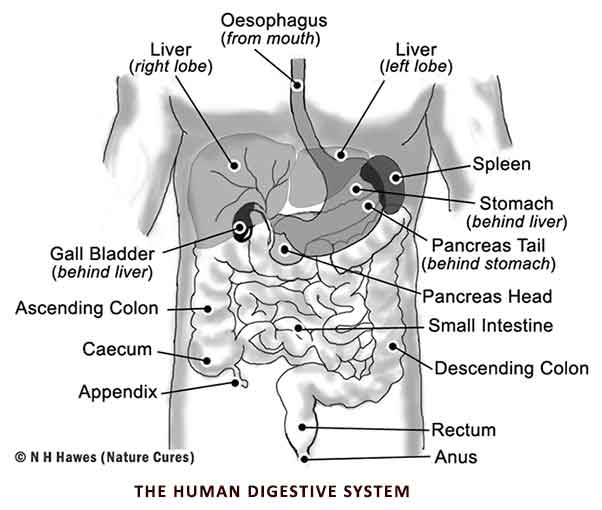
Mouth
When food enters the mouth, digestion starts by the action of mastication, a form of mechanical digestion and the contact of saliva. Saliva, which is secreted by the salivary glands, contains salivary amylase, an enzyme which starts the digestion of starch in the food. After undergoing mastication and starch digestion, the food will be in the form of a small, round slurry mass called a bolus.
Stomach
It will then travel down the oesophagus and into the stomach by the action of peristalsis. Gastric juice in the stomach starts protein digestion. Gastric juice mainly contains hydrochloric acid and pepsin. As these two chemicals may damage the stomach wall, mucus is secreted by the stomach, providing a viscose protective layer that acts as a shield against the damaging effects of the chemicals.
At the same time protein digestion is occurring, mechanical mixing occurs by peristalsis, which are waves of muscular contractions that move along the stomach wall. This allows the mass of food to further mix with the digestive enzymes. After some time (typically an hour or two in humans) the resulting thick liquid is called chyme.
Small intestines
This is the longest part of the digestive system, around 20 feet long. It connects the stomach to the large intestine (colon) and folds many times to fit inside the abdomen. The small intestine does most of the digesting of the foods consumed. It has three areas called the duodenum, the ileum and the jejunum.
When the pyloric sphincter valve opens, chyme enters the duodenum where it mixes with digestive enzymes from the pancreas, and then passes through the small intestine, in which digestion continues. When the chyme is fully digested, it is absorbed into the blood. 95% of absorption of nutrients occurs in the small intestine.
Large intestines (colon)
The large intestine comprises of the second part of the alimentary canal. The large intestine consists of the cecum and colon. It begins at the right iliac region of the pelvis (the region just at or below the right waist) where is continues from the small intestine and continues up the abdomen. Thereafter it traverses across the width of the abdominal cavity and then it turns down, continuing to its endpoint at the anus.
The large intestine normally houses over 36 species of bacteria. These are called commensal bacteria and have a variety of important functions including the production and absorption of vitamin B1 (thiamine), vitamin B2 (riboflavin), vitamin B5 (pantothenic acid), vitamin B7 (biotin), vitamin B12 (cyanocobalamin) and vitamin K. Therefore a lack of the right bacteria in the colon can lead to a deficiency in these vital amino acids, especially if they are not being consumed adequately in the diet.
These commensal bacteria breakdown the undigested polysaccharides or fibres in diet into short-chain fatty acids. These can be absorbed by the large intestine by passive diffusion. The bacteria also produce gas (flatus), which is a mixture of nitrogen and carbon dioxide, with small amounts of the gases hydrogen, methane, and hydrogen sulphide. These result from the bacterial fermentation of undigested polysaccharides.
The mucosa of the large intestine also secretes bicarbonates to neutralise the increased acidity resulting from the formation of these fatty acids and other digestive components at earlier parts of the intestines. The mucosal layer of the large intestine also acts as a mucosal barrier and protects from microbial infections and invasions. The large intestine, particularly the appendix, is a confluence of several lymphoid tissues which help in the production of antibodies and cross-reactive antibodies.
The bacteria in the colon are fed by fibre in the diet which also aids in the movement of food through the intestines. The bacteria also aid in the production of an enzyme called lactase necessary to digest milk and milk products. Without lactase milk allergies (lactose intolerance) are the result.
The ideal pH of the colon is between 6.7 and 6.9. Acetic acid and lactic acid are some of the by-products from bacteria that help create this. The acid environment inhibits the growth of harmful bacteria such as salmonella, which causes food poisoning, shigella, the cause of diarrhoea and E-Coli, which can cause intestinal disease and kidney failure.
The friendly bacteria also produce a volatile fatty acid, which along with the other acids, make it difficult for fungus and yeast (candida) to survive. A high fibre diet and good bacterial flora can lower cholesterol levels, protect against colon cancer and even improve fat digestion by providing more bile acids.
Water, vitamins and minerals are absorbed into the blood in the colon then waste material is compacted and stored then eliminated from the rectum during defecation. It takes nearly 24 to 30 hours to complete the digestive process.
Cecum and appendix
This is a peritoneal pouch that is considered to be the beginning of the large intestine. It receives faecal material from the ileum and connects to the ascending colon of the large intestine. It is separated from the ileum by the ileocecal valve or Bauhin’s valve. It is also separated from the colon by the cecocolic junction. The appendix is connected to the cecum. Doctors and scientists still do not know the purpose of the appendix. Some believe it may have a connection with the immune system as it does produce small amounts of mucus and antibodies but as yet it has not been proved.
What is the krebs cycle?
The Krebs cycle, named after Hans Krebs, also known as the citric acid cycle or the or the tricarboxylic acid cycle, is the sequence of reactions by which most living cells generate energy. It takes place in the mitochondria producing carbon dioxide and water as waste products. Most summaries of the Krebs Cycle will usually indicate that the cycle is an aerobic process (one that requires oxygen) that produces adenosine triphosphate by breaking down glucose. However, no oxygen is used in the cycle as can be seen from the equation below:
acetyl CoA + 3 NAD + FAD + ADP + HPO4-2 ———> 2 CO2 + CoA + 3 NADH+ + FADH+ + ATP
In reality, the Krebs cycle is not only part of the pathway for the breakdown of glucose but also for the breakdown of all metabolites, including other sugars, amino acids and fatty acids. Each of these groups of molecules has a pathway that leads into the Krebs cycle. For example, carbohydrates are converted into acetyl CoA by the process of glycolysis while fatty acids are converted into acetyl CoA by the beta oxidation pathway.
In each case, the molecules are converted into products that enter the Krebs cycle. In addition, intermediates from the Krebs Cycle can go the other direction and be used to synthesize molecules such as amino acids and fatty acids. For example, acetyl CoA can be used to synthesise fatty acids.
The Krebs cycle is usually shown as beginning with pyruvate instead of acetyl CoA. Pyruvate is a three-carbon molecule that is primarily formed by glycolysis or from some amino acids. Pyruvate is converted to acetyl CoA in the mitochondrion and so serves as a direct connection to the Krebs cycle. This reaction is not really part of the Krebs cycle, however, since pyruvate is most often generated by glycolysis (which occurs in the cytoplasm of the cell) and the oxidation of pyruvate occurs in the mitochondrion which is associated with the cycle.
In simplified terms, the Krebs cycle is a part of respiration that is an ever-repeating cycle that produces adenosine triphosphate and gives off carbon dioxide. To summarise:
- Two molecules of carbon dioxide are given off.
- One molecule of adenosine triphosphate is formed.
- Three molecules of NAD+ are combined with hydrogen (NAD+ → NADH)
- One molecule of FAD+ combines with hydrogen (FAD+ → FADH)
Because two acetyl-CoA molecules are produced from each glucose molecule, two cycles are required per glucose molecule. Therefore, at the end of two cycles, the products are: two ATP, six NADH2, two FADH2 two QH2 (ubiquinol) and four CO2.
At the end of the Krebs cycle, the final product is oxaloacetic acid. This is identical to the oxaloacetic acid that begins the cycle. Now the molecule is ready to accept another acetyl-CoA molecule to begin another turn of the Krebs cycle.
Acid reflux
Gastroesophageal reflux disease (GERD) is when food, acid contents, bilious material or pancreatic juices travel back up into the oesophagus, causing discomfort more than twice a week. The acid solution that splashes up into the oesophagus causes inflammation, irritation and scarring, which can narrow the circumference of the oesophagus. For more information and natural remedies see>> Acid reflux, heartburn, indigestion and stomach ulcers
Appendicitis
This develops when a blockage forms within the organ. A blockage can result from impacted faecal matter, or a condition called lymphoid hyperplasia. Lymphoid hyperplasia can be the result of Crohn’s disease, irritable bowel syndrome, mononucleosis, measles or gastrointestinal infections. In lymphoid hyperplasia, the appendix produces an overabundance of normal cells.
These cells create a blockage in the appendix, causing it to become inflamed, which then compromises blood flow to the area. The loss of blood flow causes the tissue in the appendix to die and eventually leads to the appendix bursting
The time it takes between the formation of a blockage and the point where the appendix actually perforates, or bursts, is usually around 72 hours. During that time there are several symptoms that indicate there is a problem. The first sign is normally a vague pain around the navel. As the inflammation develops, the pain moves toward the right side of the body in the direction of the hip.
Other symptoms that develop over the next 24 hours may include nausea, vomiting, fever and something called “rebound tenderness” which is a pain when fingers pressed into the area are quickly released. In some cases the patient may also experience a swollen abdomen, back pain and/or constipation.
Time is critical when dealing with the appendix so any symptoms like those above should be looked at promptly by medical staff at a hospital. Once the appendix ruptures, it spills inflammatory fluids and bacteria into the abdominal cavity which can be fatal. If the patient has a ruptured appendix prior to surgery, the risk of complications increases 10 times.
Bacterial imbalance in the intestines
There is a fragile balance of trillions of various species of bacteria and fungi which reside in the human intestines. Everyone’s numbers of the different species of bacteria and fungi vary but overall there are certain types of commensal or beneficial bacteria that keep the pathogenic bacteria and fungi in check. Any imbalance will cause problems.
It is now known that conditions such as stomach ulcers and irritable bowel syndrome can be caused by certain types of bacteria proliferating in the intestines.
Bacterial and fungal overgrowth is a very common condition and very often goes undiagnosed for many years as doctors do not seem to have the facilities to test for or understand the importance of an ideal balance of bacteria in the stomach. It may well be that this is because medications are the number one cause of this imbalance and this complicates the doctor’s diagnosis and would inhibit their prescribing of medicines for other conditions.
Because the human body can withstand bacterial imbalances for many years without serious life-threatening complications and because many people are too embarrassed to get treatment for this condition it remains a taboo subject. But many are suffering in silence, and it does need to be addressed as it can eventually lead to nutrient deficiency, organ failures and cancer.
Possible cause of intestinal flora imbalance
- Alcohol overtaxes the liver which then begins to malfunction producing less bile which in turn causes a proliferation of undigested protein and fats.
- Coffee produces too much stomach acid which can affect the bacterial balance.
- Diet, too much consumption of carbohydrates, animal fats, starch and sugar feed the bad bacteria and yeasts.
- Drugs, the toxic chemicals in drugs kill good bacteria in the stomach especially the prescribed medications of antibiotics and steroids.
- Inefficient immune system may be due to a fungal or viral infection elsewhere, steroid medication and other anti-organ rejection drugs.
- Nutrient deficiency. The good bacteria are supported by certain vitamins and minerals. If these are lacking in the body this can result in bad bacteria overgrowth. Modern society has created a growing deficiency in vitamin D which is a vital nutrient for a healthy immune system.
- Sedentary lifestyle, sitting for too many hours every day allows food to remain undigested in the intestines for too long.
- Stress and worry; causes the stomach to produce too much acid.
Symptoms of an imbalance of intestinal flora
- A change in bowel movements and colour, size, consistency, odour and shape of the stool.
- Acid indigestion and heartburn
- Bloating
- Burping, can be painful and loud
- Depression
- Fatigue
- Flatulence
- Insomnia
- Irritability
- Hiccups; recurring
- Nausea
- Vitamin and mineral deficiencies
- Stomach and pelvic pain; especially before or during bowel movements
- Stomach ulcers
- Unusual weight loss or weight gain
Natural antimicrobials used to treat bacterial and fungal overgrowth in the stomach
Enteric coated herbal oil capsules kill bacteria and fungi or yeasts in the small intestine. These consist of the oil that has an edible, hard shell around it so that the capsule doesn’t open and release its contents until it is has reached the small intestine.
The course of treatment is usually 1 to 6 months of one to two capsules three times a day taken in between meals with a glass of water. The following herbs can be found in capsule form and prove a useful remedy for bacterial overgrowth in the intestines.
- Garlic
- Oregano oil
- Olive leaf extract
- Pau d’arco
- Peppermint oil
NOTE: Side effects of herbal capsules can include heartburn, rectal burning and minty burping.
Berberine is a natural antibiotic plant alkaloid which can successfully treat intestinal bacterial overgrowth and is found in the amur cork tree, Chinese goldthread, goldenseal root, huang lian, oregon grape, tree turmeric and uva ursi.
Grapefruit seed extract in liquid form is useful for people who don’t like taking capsules. Add a few drops to a glass of water and drink in between meals.
NOTE: Grapefruit and some herbal oils can interact with many types of prescribed medications. Consult a health practitioner before taking with any medications.
The regular daily consumption of probiotic foods which contain live bacteria cultures can help readdress the balance of bacteria in the intestines. They must be consumed before food and on their own in order for enough bacteria to survive beyond the stomach. Capsules can be a better way to consume them too.
Psyllium husks: The daily consumption of a tablespoon of psyllium husks, mixed with juice or water and followed by a second full glass of water can improve digestion and readdress the bacteria balance.
For natural foods to rebalance the intestinal flora See>> Feed your friendly bacteria
Coeliac disease
Coeliac disease, also known as celiac disease, gluten intolerance, celiac sprue, non-tropical sprue and gluten-sensitive enteropathy, is an autoimmune disorder that can occur in genetically predisposed people. It is where the ingestion of gluten from certain grains such as barley, rye and wheat leads to damage in the small intestine and is estimated to affect one in 100 people worldwide. Coeliac disease can develop at any age after people start eating foods or medicines that contain gluten.
When people with coeliac disease eat gluten (a protein found in wheat, rye and barley), their body mounts an immune response that attacks the small intestine. These attacks lead to damage on the villi, small finger-like projections that line the small intestine, that promote nutrient absorption. When the villi get damaged, nutrients cannot be absorbed properly into the body.
Peripheral neuropathy is one of the most common non-digestive symptoms of coeliac disease and sometimes an individual will have no noticeable gastrointestinal symptoms of coeliac disease but instead have mainly peripheral neuropathy and other neurological symptoms.
Left untreated, it can lead to additional serious health problems often due to nutrient deficiencies or autoimmune disorders and is often associated with the following:
- Addison’s disease.
- Anaemia.
- Autoimmune hepatitis.
- Autoimmune thyroid disease (Graves/Hashimoto’s).
- Central and peripheral nervous system disorders.
- Crohn’s disease.
- Dermatitis.
- Gall bladder malfunction.
- Gluten ataxia.
- Gluten intolerance
- Herpetiformis (an itchy skin rash).
- Idiopathic dilated cardiomyopathy.
- Intestinal cancers.
- Infertility and miscarriage.
- Juvenile idiopathic arthritis.
- Lactose intolerance.
- Microscopic colitis.
- Migraines.
- Multiple sclerosis (MS).
- Neurological conditions such as ataxia, epileptic seizures, dementia, migraine, multifocal leucoencephalopathy, myopathy and neuropathy.
- Osteoporosis.
- Pancreatic insufficiency.
- Psoriasis.
- Primary biliary cirrhosis.
- Primary sclerosing cholangitis.
- Scleroderma.
- Short stature.
- Sjögren’s syndrome.
- Type 1diabetes.
- Ulcerative colitis.
Currently, the only treatment for coeliac disease is lifelong adherence to a strict gluten-free diet. People living gluten-free must avoid foods which contain wheat, rye and barley, such as bread and beer. Ingesting small amounts of gluten, like crumbs from a cutting board or toaster, can trigger small intestine damage. for alternative gluten-free foods and more information see>> Gluten intolerance
Colic
Abdominal colic is severe spasmodic pain in the abdomen caused by distension, obstruction or inflammation. In adults, the spasmodic pain may appear suddenly or develop gradually and become chronic. Abdominal colic in adults has many possible causes, some of which are potentially serious, so it is best investigate as soon as possible.
Vaginal or rectal bleeding and fever may indicate a serious problem, such as miscarriage, ectopic pregnancy, a bowel blockage or an infection.
For mild abdominal colic where there has not been a bowel movement in several days or longer prunes, senna and psyllium husks can relieve the spasms that may be associated with constipation.
Eating a high fibre diet and drinking plenty of bottled mineral water, fruits and vegetables and green tea can also help prevent and treat constipation and associated abdominal pain.
Eat smaller meals and avoid caffeine, alcohol, wheat, dairy and chocolate, all of which can trigger abdominal colic in some people, such as those with irritable bowel syndrome or lactose intolerance.
Go for a walk if the pain allows or take a warm bath or shower. In some cases, this can temporarily ease colic pain, especially if it is caused by intestinal gas.
Gallstones or kidney stones usually cause abdominal pain in adults.
Severe cramping or abdominal colic in pregnant women is never normal so must be investigated immediately.
Natural foods to consume to treat colic in adults
Vegetables
Whole grains
Fruits
- Lemon
- Mango
- Papaya
- Raisins
Herbs
- Andrographis
- Marshmallow
- Lemon balm
- Mint
- Parsley
- Psyllium husks
Spices
- Cumin
- Paprika
- Peppercorns (all colours)
- Turmeric
Miscellaneous
- Bicarbonate of soda
- Brine pickles
- Caraway seed tea
- Miso
NOTE: Avoid turmeric and ginger if taking anticoagulants (blood thinning medication) aspirin or ibuprofen or have problems with blood clotting, have heart problems and during the first trimester of pregnancy.
Try cutting out the following foods one at a time to find the culprit that may be causing colic symptoms:
- Bell peppers
- Brassicas such as broccoli, Brussel sprouts, cabbage, cauliflower
- Coffee
- Corn
- Corn syrup
- Cows’ milk
- Dairy products
- Chilli pepper
- Chocolate
- Cinnamon
- citrus fruits and their juices such as oranges, lemons, limes, grapefruit
- Cucumbers
- Curry
- Eggs
- Garlic
- Ice cream
- Kiwifruit
- Nuts
- Onion
- Pineapple
- Seeds
- Soya products and beans
- Strawberries
- Wheat, and herbal supplements.
By a process of elimination it is possible to find out which food is causing the colic.
For information on colic in infants see>> Nature cures for babies
Colitis
Ulcerative colitis is an inflammatory bowel disease that causes long-lasting inflammation and ulcers within the large bowel and rectum. There are some foods and substances that may irritate and worsen symptoms of ulcerative colitis in some individuals such as:
- Alcohol
- Caffeine
- Carbonated drinks
- Coconut oil
- Dairy products (if lactose intolerant)
- Dried beans, peas and legumes
- Dried fruits
- Egg yolks
- Foods that contain sulphur or sulphate
- Foods high in fibre
- Meat
- Nuts, crunchy nut butters
- Olive oil
- Popcorn
- Products that contain sorbitol (sugar-free gum and confectionary)
- Raw fruits and vegetables
- Refined sugar
- Seeds
- Spicy foods
- Walnuts
- Wheat
Linoleic acid is an inflammatory omega-6 fatty acid found in foods such as walnuts, olive oil, egg yolks and coconut oil. It can exacerbate symptoms of ulcerative colitis in some people.
It is a case of eliminating each of the above foods individually from the diet to for a couple of weeks to see if conditions improve then reintroducing them if there is no change and eliminating another one.
The diet for omnivores should be well balanced and rich in protein, complex carbohydrates and healthy fats especially anti-inflammatory omega-3 fatty acids from fish sources. Yoghurt with live cultures can help to improve symptoms when the individual is not also lactose intolerant.
Complex carbohydrates are also important and can be gained from whole-grain breads and pastas and starchy vegetables, such as potatoes, beans, peas and lentils. Vegetarians must ensure they consume enough protein rich foods such as soya products, brown rice, beans and whole grains.
See>> Allergies
Diverticulosis
Diverticular disease is the general term used to describe a number of different disorders that affect the intestinal tract. A diverticulum is a sac-like out pouch found on any part of the gastrointestinal tract – but most common, by far, in the large intestine, especially along the last section, just before the rectum. The presence of these pouches is called diverticulitis, which frequently develops after middle age. If the diverticula become inflamed, which usually only happens when food becomes trapped in a pouch, then the condition is known as diverticulosis. For more information and natural remedies see>> Diverticulosis
Dysbiosis (dysbacteriosis)
Gas, belching and bad breath due to dysbiosis. Dysbiosis is the disturbance of the normal bacteria in the gut, with reduced levels of the essential bacteria. The concept of dysbiosis is largely ignored by the medical profession in the UK, but is widely accepted on the continent, particularly in Germany.
The most common causes of dysbiosis, and the reason why it is so common in the west, is the high consumption of refined sugar and the inappropriate use of antibiotics. Viral illnesses are commonly and immediately treated with antibiotics, but this is ineffective against viruses.
Whilst this may be effective in dealing with an acute bacterial infection, these so-called wide-spectrum antibiotics kill off a large range of bacteria, including the normal healthy bugs in the gut. This is why disturbed bowel action, particularly diarrhoea, commonly follows a course of antibiotics. Ironically, the overuse of antibiotics increases the need for future antibiotics, as the dysbiosis induced by them suppresses the immune system.
Other medications enhance the development of dysbiosis. Hormones, particularly those taken to treat menopausal symptoms, appear to encourage dysbiosis and make it more difficult to treat. This only applies to hormones taken by mouth, and not those administered by an adhesive patch.
Stress, too, has a role in increasing the development of dysbiosis. This may not be a direct effect, but one which results from poor dietary intake and inappropriate eating habits. Convenience foods, together with rapid and infrequent meals, do not help normal bacteria to develop.
The symptoms of dysbiosis
The main symptom of dysbiosis is disturbed bowel action, which may be either diarrhoea or constipation, or a combination of both together with excessive wind and abdominal distension. Other symptoms that are a result of the dysbiosis may be present and may be so severe that the underlying dysbiosis is ignored.
Clearly, the treatment of dysbiosis involves the replacement of the correct bacteria into the gut, but this is not as easy as it appears. Many bacteria taken by mouth do not even reach the intestine, as they are killed by the stomach acid. In addition, as there are trillions of bacteria in the gut, a large dose, and over a prolonged period, is necessary.
The type of bacteria is also important and depends on factors such as dietary habits. In the majority of probiotic formulations the beneficial bacteria are in a dormant state and only become active on exposure to a moist environment.
Preparations that attempt to replace the bowel bacteria are collectively known as probiotics, as they encourage rather than discourage (as with antibiotics). To be successful, therefore, a probiotic must fulfil several criteria:
- It must contain sufficient numbers of bacteria to ensure that enough reach their destination (passing through the stomach without too great a loss)
- The bacteria must be of types applicable to the individual. If possible, they should also be strains that are specific to the human
- They should be presented in an acceptable and palatable form
The low pH of the stomach can affect the viability of the probiotic strains, so the use of micro-encapsulated strains to enhance colonisation in the gut is an advantage. Also, taking probiotics with a main meal of the day, or just after, will have a buffering effect on the low pH of the stomach.
Check the pH of saliva with pHydrion paper. If it is below 7.2 then there may have an imbalance of the bacteria flora in the intestines. To increase your oral pH to a normal 7.2 or greater, drink 1 teaspoon of bicarbonate of soda in 2 ounces of cooled boiled water. It is that simple to neutralise the acids that can cause so many health issues.
Ailments possibly caused by dysbiosis
- Acne
- Anaemia
- Bacteria imbalance
- Dementia
- Halitosis
- Mouth sores
- MRSA
- Nutrient deficiencies
- Oral cancer
- Parasite infections
- Tooth cavities and decay
- Virus infections
- Yeast infections
Cleaning the teeth with bicarbonate of soda after eating can help to correct the PH balance and avoiding commercial powerful toothpastes and mouthwashes can also help readdress the balance. It has been proved that the strong antibacterial mouthwashes encourage the proliferation of worms and parasites by killing the good bacteria in the intestinal tract. See>> Feed your friendly bacteria
Food poisoning
There are many types of food poisoning, and most are due to unhygienic processing and storage of foods, undercooking, unwashed fruit and vegetables and contamination with faecal matter or bacteria from humans or animals. Bacteria can multiply so fast that any food kept at room temperature can become poisonous very quickly the warmer the weather is. Some bacteria cannot be killed by cooking which is why it is important to look after food and keep it in sealed containers and free from contaminants.
Cross contamination on surfaces or with utensils of different types of food (especially uncooked with cooked foods) can quickly cause food to become poisonous. Always use separate chopping boards, containers, knives and utensils for each type of food i.e. raw meat, raw fish, cooked meat, cooked fish, herbs, vegetables and fruits, cheese and dried products.
Always wash hands between touching different foods too. Keep surfaces, the refrigerator and sink area clean and wipe down with an antibacterial cleanser after use. Cupboard, oven and refrigerator handles and sink taps are particularly important to keep clean as they are most often touched by human hands.
Many natural herbs and spices have strong antiseptic, antifungal and antivirus properties but will give no adverse skin or asthmatic reactions. Some very inexpensive, natural, homemade, toxic free but powerful cleaners can be found here>> Hygiene, toxins and health
Most people can fight off food poisoning naturally with a healthy immune system, but many people do not consume the correct nutrients in order for their body to provide this protection. The body builds up a natural defence against bacterial infections when it comes into contact with small amounts of these bacteria but if it has not had chance to do this then a sudden ingestion of a large amount of these bacteria will take over the intestines and cause many health issues.
Symptoms of food poisoning
- Asthma
- Dehydration
- Diarrhoea
- Fever
- Headaches
- Nausea
- Vomiting
Fever and mild cases of diarrhoea and vomiting are the body’s natural way of protecting itself and expelling pathogenic bacteria and toxins from the intestines. Medication to stop symptoms (except asthma) should not be taken because it is the body’s way of getting rid of the poison. Instead natural foods, teas and juices that can assist the body with elimination, rehydrate the body and provide the nutrients it needs to fight off the infection naturally should be taken instead.
Barbeques and eating outdoors
The most common cause of bacteria induced food poisoning is consuming barbequed meats that have not been cooked through and keeping prepared foods out of the refrigerator when eating al-fresco. Barbeques often do not reach sufficient temperatures throughout the meat to kill bacteria. It is best to precook foods thoroughly and then barbeque and consume immediately.
Keeping any food at room temperature or outdoors, especially in the sun, increases the risk of food poisoning tenfold because bacteria multiply at an alarming rate.
Treatment for food poisoning
Pineapple juice can help stop dehydration and coconut water can help fight off bacterial infections in the intestines.
Many essential minerals and nutrients are lost during vomiting and diarrhoea so consume the following to help replace these.
- One teaspoon of Himalayan pink salt crystals
- Juice of one lemon
- ¼ teaspoon of ginger,
- ¼ teaspoon of turmeric
- One teaspoon of Manuka honey
- Vegetable juice of choice
Mix together and sip slowly.
Teas made with herbs and spices can be sipped slowly to provide additional nutritious support.
For many remedies to treat bacterial infections and food poisoning see>> Anti-microbial healing plants and foods
Preservation methods
Refrigeration only slows down bacteria multiplication. It does not stop it entirely. Most fresh foods can be safely kept for 2-3 days in a refrigerator and again after cooking 2 – 3 days in the refrigerator. The way to store foods in the refrigerator is important because juice and blood can drip down and infect the foods on lower shelves.
Raw meats and fish should be kept on the lowest shelves separate from cooked meat or fish. Keeping all food in sealed containers is best.
Eggs can be safely tested to see if they are fit for consumption by placing in a cup or bowl of water. If they float, they must be disposed of if not they can be safely eaten.
Freezing only provides a shelf life of between 1 to 3 months depending on the food.
Brine pickling can keep fruit, vegetables, herbs and spices for one year and provides additional beneficial bacteria to the guts too. See>>Brine pickling for health
Dried foods have a far longer shelf life but must be kept in sealed containers to avoid contamination and moisture.
Smoked foods are usually bacteria free but can become contaminated after smoking once opened from their sealed containers or packaging and should be then treated as fresh foods and consumed within two days.
The following are the most common forms of food poisoning
Campylobacter enteritis
A common bacterial infection producing severe gastrointestinal upset that can last for two weeks. It’s rarely fatal in healthy people. It is caused by improperly slaughtered or processed meat not thoroughly cooked, contaminated vegetables, milk or water.
Pets can also shed the bacteria through their faecal matter.
Symptoms are fever, aches and pains, diarrhoea and vomiting.
NOTE: Seagulls are known to harbour very high concentrations of this bacteria so any contact with their faecal matter must be washed off immediately.
Cholera
Cholera is caused by contaminated water and eating raw or undercooked seafood. The toxins in the cholera bacteria causes water in the body to be expelled quickly.
Escherichia Coli Enteritis
Escherichia coli has one of the most powerful strains O157:H7, although other related strains can cause infection as well. This bacterium is found in mass processed ground and minced beef and on vegetables that were improperly cleaned or handled by contaminated fingers.
Symptoms are crippling abdominal cramps which may be accompanied by blood in the stools. Consuming rare burgers or raw milk can be especially dangerous.
Ciguatera
Ciguatera is n incurable disease caused by eating fish contaminated by coral algae toxins. It is estimated that there are 50,000 cases of human infection each year. Ciguatera is limited to fish of tropical origin. It is impossible to detect by seafood processors and cannot be killed by cooking or freezing.
Initial symptoms are typical of other food poisoning infections but with ciguatera is severe and often irreversible neurological effects. These can include trouble sensing hot or cold, tingling “phantom limb” pain in the extremities and other symptoms that may be confused with anything from multiple sclerosis to heart failure.
Making sure you know what type of fish you are eating and, if possible, where it came from can help avoid this infection. Larger fish from shallow waters in a tropical environment are most dangerous options.
Listeria
Listeria infection, or listeriosis, is caused by consuming raw or improperly pasteurised dairy products, vegetables grown in contaminated soil, preserved and smoked meats (can be identified by a slippery or slimy film), canned and raw seafood and fresh fruit.
The symptoms can resemble a bad bout of flu, although more serious complications like meningitis can occur in people with weakened immune systems, as well as in young children, pregnant women and the elderly. Washing vegetables and fruit is vital to avoid this bacteria. Soaking them for 15 minutes in a solution of cold water and bicarbonate of soda can reduce the risk of contracting listeria.
Salmonella
The bacteria that cause salmonellosis, or salmonella poisoning, has a serious reputation among poultry and their handlers. Eggs, processed chicken parts and other raw meat are particularly good at spreading the bacteria and pet reptiles and rodents are also carriers.
Sanitise everything any meat or live animal comes into contact with and don’t allow live animals in the kitchen when food is being prepared and cooked. Symptoms are diarrhoea, abdominal cramps and fever.
Shigellosis
Attacks the large intestine and is caused by human faecal matter. It can be resistant to antibiotics, so avoidance of this infection is vital. Hygienic practises like always washing hands after the using the toilet are important to avoid spreading this bacteria and avoiding any contact with human waste. Symptoms are diarrhoea, abdominal cramps and fever with bloody stools.
Staphylococcus Infection
The bacteria release their toxins at room temperature on all types of food. Reheating contaminated food will not kill this bacteria. Symptoms can appear within an hour of ingesting contaminated food and include projectile vomiting and diarrhoea.
Natural remedies for food poisoning
Drink juices of the following throughout the day:
For added bacteria fighting benefits add a pinch of any of the following to the juices:
- Bicarbonate of soda
- Black pepper
- Cayenne pepper
- Cinnamon
- Cumin
- Coriander seeds (ground)
- Ginger (powder)
- Nutmeg
- Himalayan pink crystals
Add a teaspoon of apple cider vinegar for a more powerful bacteria fighting ingredient and honey for both taste and bacteria fighting enzymes. Manuka honey is the best for this purpose.,
To relieve dehydration caused by fever and diarrhoea sip pineapple juice and coconut water.
Teas made with basil, dill, lemongrass, parsley, rosemary, sage or thyme or a combination of more than one, can provide a powerful bacterial fighting remedy. Pour hot boiled (but not boiling water) over a handful of fresh or dried leaves. Allow to steep for 15 minutes then strain and sip slowly. 3- 6 cups are recommended per day. Honey can be added for taste and added bacteria fighting enzymes.
Live probiotic yoghurt and miso soup can give some relief to abdominal pain and help to fight the bacteria.
NOTE: Avoid ginger and turmeric if taking anticoagulants (blood thinning medication) aspirin or ibuprofen or have problems with blood clotting, have heart problems and during the first trimester of pregnancy.
Helicobacter pylori (H. pylori) infection
This is a bacterium that is commonly found in the stomach and duodenum, but which can infect the mucous lining causing damage to the stomach wall allowing the formation of stomach ulcers. Only known since 1980, this infection is usually acquired in childhood and in the vast majority of cases, it becomes chronic, comes along with an inflammation of the gastric mucous and is the cause of 90% of all the chronic gastritis. For more information and natural remedies see>> Helicobacter pylori infection
Hiccups
Natural remedies for hiccups
- Drink bottled mineral water
- Fruit: lemons
- Herbs: cloves and mint
- Spices: cinnamon and nutmeg
Nausea, motion or sea sickness
Natural remedies for nausea and motion sickness
Vegetables: Okra, chicory and lettuce.
Whole grains and pseudo-grains: amaranth, barley, brown rice, oats, quinoa, rye and teff.
Fruit: Blackberries, lemon, soursop, papaya, mango and mosambi juice.
Herbs: Basil, catnip, lemon balm and mint.
Spices: Cloves, cinnamon, cumin, ginger, nutmeg, paprika, peppercorns (ground) and turmeric.
Miscellaneous: Bicarbonate of soda, miso and psyllium husks.
Externally: bergamot (steam inhalation).
NOTE: Avoid ginger and turmeric if taking anticoagulants (blood thinning medication) aspirin or ibuprofen or have problems with blood clotting, have heart problems and during the first trimester of pregnancy.
Stomach ulcers
Natural foods to consume to treat stomach ulcers
Dairy: Goat’s milk, kefir milk and yoghurt (plain with live cultures).
Vegetables: Okra, lettuce, cabbage, potatoes, broccoli, carrots, chicory and alfalfa.
Fibre: Amaranth, barley, brown rice, millet, oats, quinoa, rye and teff.
Fruit: Apricots, bananas, blackberries, grapes, lemon, mango, mosambi juice, papaya, pears and raisins.
Nuts: Coconut.
Herbs: Comfrey, liquorice root, marshmallow root and psyllium husks.
Spices: Cinnamon, nutmeg and paprika.
Miscellaneous: bicarbonate of soda, brine pickles, honey (locally produced organic) and miso.
Maqui berry is a Chilean ‘super fruit’ which contains the highest number of antioxidants and anti-inflammatory compounds than any other known natural food. Regular consumption can help to treat stomach ulcers.
Raw juice therapy can treat stomach ulcers. Try juicing apricot, cabbage, carrots and grapes together then consuming immediately.
NOTE: Avoid cabbage if suffering from thyroid gland problems, bladder, kidney or gall bladder stones
Vomiting and nausea
Natural remedies for vomiting
Herbs, Spices and Derivatives: Bicarbonate of soda, cinnamon, ginger, honey, lemon balm and nutmeg.
Consuming juice from any of the following food sources, which are rich in citric acid, can quickly and effectively eliminate nausea by reducing the gastric acidity: apples, artichokes, asparagus, citrus fruits, cleavers, cherries, cranberries, gooseberries, grapes, kiwi fruit, lettuce, pears, peas, pineapples, quince, raspberries, strawberries and tomatoes.
Oregano oil can treat the norovirus (winter vomiting disease).
NOTE: Avoid ginger if pregnant or taking anticoagulant medications.
Natural remedies to treat intestinal disorders
A tea made with cinquefoil can reduce bleeding in the digestive tract.
Chinese rhubarb root can cleanse the intestines of infection. Mix 1 teaspoon of rhubarb powder to 1 cup of water. Then, bring to boil and simmer at a reduced heat for 10 minutes. Add a little honey to sweeten.
NOTE: Chinese rhubarb root is not recommended for long term use and not suitable for pregnant or breast-feeding women, children under twelve years of age, those who suffer from colitis or have an intestinal obstruction or have a history of kidney stones or urinary problems, or if taking anticoagulant (blood thinning) medicine or aspirin.
Aloe vera helps to rejuvenate the gut wall lining.
Brassicas like cabbage or broccoli contain glucosinolates which, under the action of an enzyme, are transformed into sulphoraphane. This molecule inhibits the growth of helicobacter pylori in 8 of 11 cases. The antacid activity of these vegetables disappears in the cooking.
Cranberry has an anti-infective action and allows a better absorption of vitamin B12 in atrophic gastritis. The high molecular weight polysaccharides of cranberry inhibit the adhesion of helicobacter pylori on human gastric mucus.
Chamomile shows in a meta-analysis a clear decrease of dyspepsia and stomach acidity. Its local anti-inflammatory action is well known. Its essential oil has shown to be an inhibition of helicobacter pylori.
Gentian root contains triterpens and xanthones which presents an anti-inflammatory action direct on the mucous of the stomach but also by xanthones, an anti-stress and antidepressant action which is very useful in the problems of the stomach.
Hemp seeds are an easily digested form of complete protein and can help improve metabolism and digestion of fats. Grind whole seeds into a powder using a coffee grinder as hulled seeds have the important components stripped out.
Hops seems to have a calming effect on the stomach; its mode of action is not determined but it could involve an action close to oestrogenic plants.
Marshmallow is a useful herb for the treatment of diarrhoea and indigestion; along with chronic diseases that cause these symptoms such as Crohn’s disease, irritable bowel syndrome (IBS) and gastroesophageal reflux disease. Its anti-inflammatory properties are also useful for treating enteritis, hiatus hernias, colitis, peptic ulcers, mouth ulcers and sclerosing mesenteritis.
Mugwort. An infusion of fresh leaves can be used for chronic stomach complaints and to stimulate the appetite.
Oily fish provide a positive effect in the eradication of bacterial infection. See>> Fatty acids
Slippery elm helps to rejuvenate the gut wall lining.
Other tips to improve the health of the intestines
Ghrelin, the “hunger hormone,” is an orexigenic polypeptide, secreted mainly by the stomach It is produced in the stomach by specialised cells in the gastric lining. Ghrelin is also produced in smaller quantities by other organs including the gut (specifically the small intestine), pancreas, kidneys, and even some parts of the brain such as the hypothalamus, pituitary glands.
Ghrelin accelerates the gastric draining and intestinal transit. It is a powerful prokinetic agent. Helicobacter pylori infections are associated with reduced circulating ghrelin levels independently of sex and body mass.
Ghrelin possesses a protective gastrointestinal action. It also increases appetite, which good for people with a chronic Helicobacter pylori infection but can be a disadvantage in the case of the overweight or obese.
Short-term fasting and consistent exercise, particularly intense aerobic activity, can boost ghrelin levels. Additionally, consuming a diet rich in fibre and protein can indirectly support ghrelin production.
Nutrients that can support the intestines
The combination of several pre and probiotics will help to reestablish the balance and help the friendly bacteria in the intestines thrive such as Bifidobacterium, Saccharomyces and Lactobacillus. These bacterium also help with the prevention of helicobacter pylori infection. See>> Feed your friendly bacteria
L-glutamine is an amino acid that helps to rejuvenate the gut wall lining.
Glycine can help to increase production of the protective mucous in the intestines as well as cleanse the system.
Natural sources of glycine
Consuming foods rich in vitamin C can decrease the risk of pre-cancerization of the stomach tissues. It can also help the stomach lining to repair itself. See>> Vitamin C
Consuming foods rich in tin can improve digestion. See>> Tin
Zinc plays a role in appetite regulation by affecting the enteric nervous system, increasing gastrointestinal motility, and impacting neurotransmitters involved in appetite. For the highest natural food sources see>> Zinc
The nutrients below can help the gut repair itself. For the highest natural food sources follow the following links
What to avoid with intestinal disorders
Avoid ingesting the following which can add to the acidity and sluggishness of the stomach.
- Alcohol
- Coffee and other caffeinated beverages
- Hot spices
- Meat, especially processed meat products
- Sugar
See>> Acidity in the body
Disorders affecting the intestines or caused by an imbalance of bacteria in the intestines
- Abdominal angina
- Abdominal distension
- Abdominal hernia
- Achalasia
- Achlorhydria
- Alcoholic liver disease
- Anal abscess
- Anal fissure/Anal fistula
- Angiodysplasia
- Appendicitis
- Arthritis
- Atrophic
- Bacterial Infections
- Biliary fistula
- Bladder infections
- Bleeding (internal)
- Blind loop syndrome
- Bloating
- Boerhaave syndrome
- Bowel obstruction
- Breast enlargement in men
- Brucellosis
- Bruising problems
- Campylobacteriosis
- Candida
- Coeliac disease
- Cholera
- Cholesterolosis
- Cirrhosis
- Clostridia
- Colic
- Colitis
- Colon Cancer
- Constipation
- Crohn’s disease
- Curling’s ulcer
- Cushing ulcer
- Diarrhoea
- Dieulafoy’s lesion
- Diffuse oesophageal spasm
- Diverticulitis/Diverticulosis
- Duodenal ulcer
- Duodenitis
- Dysbiosis
- Dysentery
- Dyspepsia
- Emesis (nausea and vomiting)
- Enteritis
- Enterocolitis
- Esophageal motility disorder
- Esophageal stricture
- Extraesophageal reflux disease
- Faecal impaction
- Flatulence
- Functional colonic disease
- Fungal and yeast Infections
- Gallstones
- Gastric antral vascular ectasia
- Gastric dumping syndrome
- Gastritis
- Gastroenteritis
- Gastroesophageal reflux disease
- Gastroparesis
- Gastroptosis
- Gout
- Halitosis (bad breath)
- Helicobacter Pylori
- Heartburn
- Hematemesis (upper GI tract bleeding)
- Hematochezia (lower GI tract bleeding)
- Hepatitis
- High LDL cholesterol levels
- Hormonal problems
- Human Mullular Fibrilation syndrome
- Ileitis
- Indigestion
- Intestinal cancer
- Intestinal obstruction
- Irritable bowel syndrome
- Jejunitis
- Lactose Intolerance
- Laryngopharyngeal reflux
- Liver abscess (pyogenic, amoebic)
- Lysteria
- Malabsorption
- Mallory-Weiss syndrome
- Ménétrier’s disease
- Menstrual problems
- Mesenteric ischemia
- Milroy disease
- Nutcracker oesophagus
- Oesophagitis (Esophagea candidiasis)
- Osteoporosis
- Ogilvie syndrome
- Pancreatic fistula
- Pancreatitis
- Parasites and worms
- Portal hypertensive gastropathy
- Premenstrual Tension
- Proctalgia fugax
- Proctitis
- Prostate trouble
- Pyloric stenosis
- Radiation proctitis
- Rectal prolapse
- Rheumatism
- Salmonellosis
- Shigellosis
- Steatorrhea
- Ulcers, such as peptic ulcer
- Tropical sprue
- Tularemia
- Vitamin B complex deficiency
- Vitamin K deficiency
- Vaginal infections
- Volvulus
- Whipple’s short bowel syndrome
- Wilson’s disease
See>> Feed your friendly bacteria
Related subjects
- A-Z of ailments
- Acid reflux, heartburn, indigestion and stomach ulcers
- Acidity in the body
- Allergies
- Anti-microbial healing plants and foods
- Bacterial infections and natural antibiotics
- Brine pickling for health
- Excretory system disorders
- Fungal and yeast infections
- Gall bladder disorders
- Healthy diet to aid recovery
- Liver disorders
- Medication dangers
- Nerve disorders
- Sprouting greens
- Virus infections

Join our mailing list to receive your monthly emailed newsletter with all the latest scientific findings for natural health remedies.