
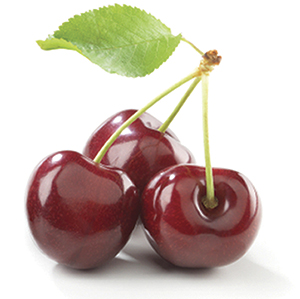
Also known as Prunus avium, Prunus cerasus and Malpighia emarginata.
Cherries are a very low-calorie fruit and rich source of nutrients, vitamins, and minerals. Both sweet as well as sour cherries are packed with numerous health benefiting compounds that are essential for wellness.
Cherries are pigment rich fruits. These pigments are polyphenolic flavonoid compounds known as anthocyanin glycosides. Anthocyanins are red, purple or blue pigments found in many fruits and vegetables, especially concentrated in their skin and known to have powerful antioxidant properties.
Scientific studies have shown that anthocyanins are found to act like anti-inflammatory agents by blocking the actions of cyclooxygenase-1, and 2 enzymes. Thus, consumption of cherries, especially sour cherries, has beneficial effects against chronic painful episodes such as arthritis, fibromyalgia (painful muscle condition), gout and sports injuries.
Research studies also suggest that antioxidant compounds in sour cherries also help the human body to fight against cancers, aging, neurological diseases and pre-diabetes.
Cherry fruits are very rich in the stable antioxidant melatonin. Melatonin can cross the blood-brain barrier easily and produces soothing effects on the brain neurons, calming down nervous system irritability, which helps relieve neurosis, insomnia and headache conditions.
Furthermore, they are also good source of minerals such as copper, iron, manganese, potassium and zinc. Potassium is a heart-healthy mineral; an important component of cell and body fluids that regulate heart rate and blood pressure.
The fruits, especially tart (Morello) cherries are exceptionally rich in health promoting flavonoid polyphenolic antioxidants such as lutein, zeaxanthin and beta-carotene. These compounds act as protective scavengers against harmful free radicals and reactive oxygen species (ROS) that play a role in aging, cancers and various disease processes.
The Morello or ‘sour’ cherry (Prunus cerasus) has been proven to reduce pain and inflammation for those with arthritic conditions. It can be found in powdered form in health food shops and as a conserve or jam in some supermarkets.
Anti-inflammatory property of cherries has been found effective in reducing heart-disease risk factors by scavenging action against free radicals.
The acerola cherry (Malpighia emarginata), also known as West Indian or Barbados cherry, has the highest level of vitamin C (1677.6 mg per 100g) than any other food and is very rich in vitamin A (767 IU per 100 g) which is vital for eye health
TOXICITY WARNING: Despite their overall goodness, cherry stones are toxic. If a cherry stone is chewed, crushed, or somehow damaged, it automatically produces hydrogen cyanide.
Symptoms of mild cyanide poisoning
- Anxiety
- Confusion
- Dizziness
- Headache
- Vomiting
Larger doses are lethal as they can lead to difficulty breathing, increased blood pressure and heart rate, and kidney failure. Reactions can include coma, convulsions and death from respiratory arrest.
Related subjects
- A-Z of natural foods and remedies
- Arthritis
- Brain and mental health disorders
- Cancer
- Dementia
- Diabetes
- Eye disorders
- Gout
- Heart disorders
- High blood pressure
- Nerve disorders
- Pain and inflammation
- Parkinson’s disease
- Sports nutrition

Join our mailing list to receive your monthly emailed newsletter with all the latest scientific findings for natural health remedies.