
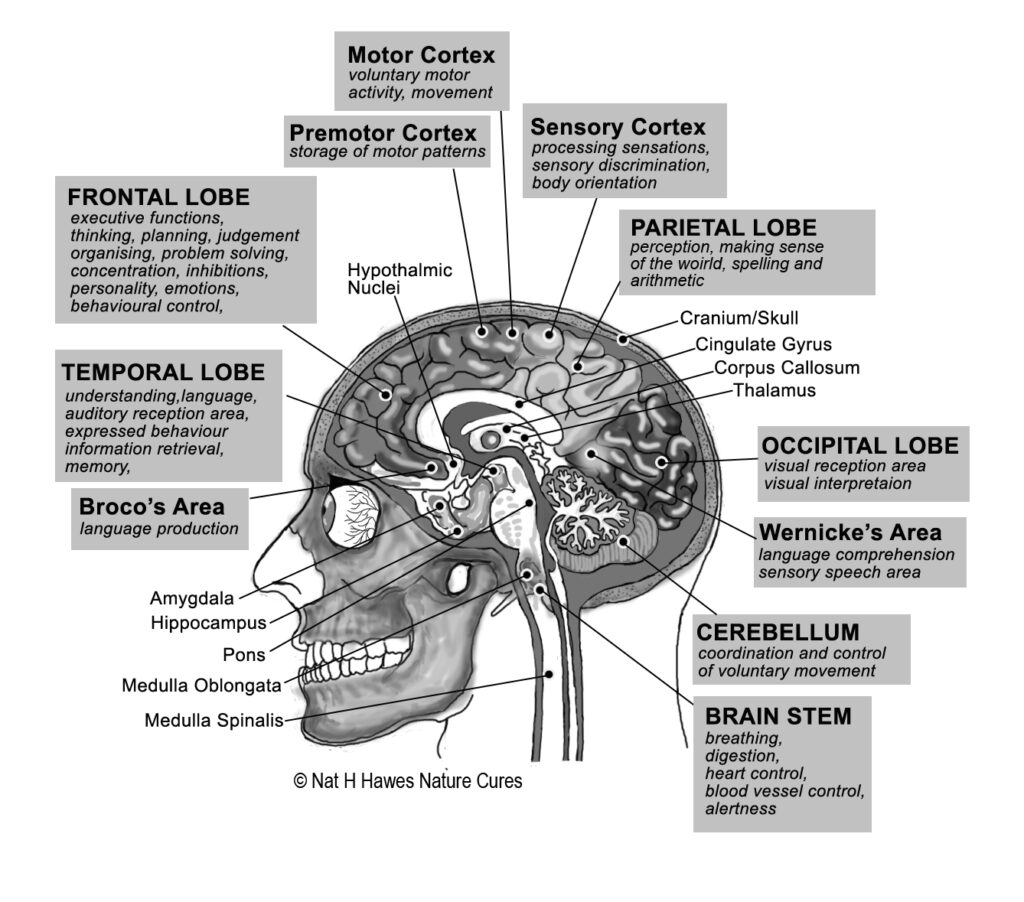
The body is very sensitive to what is going on around it and will subconsciously send messages to the brain to release hormones that can often confuse a person. These hormones tell the body when to eat, when to rest and sleep, when to run away and when to stand and fight. Hormones are released by emotions such as fear and paranoia, greed, grief, hate, insecurity, loneliness, love, pleasure, stress and worry.
Most people are unaware that their actions can have a severe and lasting effect on another person causing deep mental and physical damage on a molecular level. Bullying and cruelty leave scars that will remain for ever because the brain is so adept at remembering every single event and chemical change from its conception to its death.
A person often tries to ignore negative feelings but, sometimes, they are not able to because hormones are an exceptionally powerful component in the body. This can lead to aggression, irritability and self-destructive behaviour which can then spiral down into anxiety, depression, fatigue, insomnia, lethargy, panic attacks and/or paranoia.
Like any other organ in the body, the brain needs the correct fuel to function properly, and this is greatly overlooked in conventional medical approaches. It has also come to light that the balance of microbes in the intestines also has a powerful impact upon the functioning of the brain. These two factors must be addressed when trying to treat any brain disorders. See>> Feed your friendly bacteria
Poverty and drugs
Substances which can affect the neurotransmitters and hormones are alcohol, caffeine, nicotine, sugar and the many powerful drugs that mankind has created. The desire for these and money and more possessions has added to the burden of trying to control emotions. Lack of education and poverty can also contribute to the inability to control emotions because positive thoughts are difficult when someone does not know what they are capable of, or what they want in life, or how to get it.
This is especially true as we are now living in an unfair world where just a few are obscenely rich while so many others are below the poverty line finding it difficult to afford to eat or afford a home where they can belong and feel safe and secure. It is no wonder that the cases of mental health disorders are rising fast especially in children.
Drugs adversely affect the levels of nutrients and minerals in the body and are often taken, whether prescribed, recreational or as self-medication, to escape from or counteract negative emotions which, unfortunately, is counterproductive to rebalancing the nutrients in the body. Many drugs stop the body absorbing the nutrients it needs including antibiotics and doctors do not inform patients of this or offer any advice on how to rectify it. Blood tests should be taken when patients are taking medications that will cause deficiencies but this does not happen.
Mental health disorders and hormone imbalances can quite often be due to a deficiency or abnormality in the diet and, again, this is often due to the inability to earn enough to afford organic nutritious food. Stress can add to this, as can worry, grief, infection, disease, head injury or a fault in the genetic makeup. But in all situations a healthy body and brain, which is fed the correct fuel it needs, can relieve these symptoms very quickly. See natural remedies for all psychological and brain dysfunctions below.
Toxins in the brain
A build-up of toxins from food additives, pesticides and drugs can also affect the brains cognitive processes and cause irritability and insomnia. They also block absorption of vital nutrients and force expulsion of nutrients especially the B vitamin complex and the minerals that are essential for the cellular and nervous system.
Fluoride which is added to toothpastes and certain drinking water supplies in certain locations has now been classed as a neurotoxin and should be avoided especially by anyone with mental health disorders.
Food and drug additives
The food and pharmaceutical industries strive to make more profits by adding cheap compounds to their products and many of these additives have a profound effect on the brain and its circuitry especially in children or susceptible individuals.
Avoiding ‘E numbers’ and other synthetic additives is vital when trying to treat mental health disorders. Most food manufacturing and packing processes add substances that are, not only unnatural and unhealthy, but can actually become toxins that build up for years in the human system, including the brain, as in the artificial sweetener aspartame which causes brain tumours in rats.
Many of these substances block absorption of vital nutrients and minerals and some food production processes completely strip the healthy nutrients from food altogether. The salt industry mines salt then strips out all the minerals to sell to other industries which leaves a refined table salt that is then sold to the consumer, and it has no nutritional value whatsoever.
Much of the nutritional value of some crops is in the husks and skins and this too is removed to make processed food products. Then sugar and salt and many unhealthy compounds are added to make this ‘food’ palatable and addictive.
Scientists are only recently discovering just how essential these lost nutrients are for the human system to remain in perfect health and working order.
Processed foods are almost definitely one of the major root causes of the massive surge in cases of anxiety, depression, concentration problems and insomnia and may even be responsible for diseases such as Parkinson’s, Alzheimer’s, heart disease and cancer which have also skyrocketed in the numbers of cases since processed food became the normal way to eat.
A sense of wellbeing and the ability to cope with whatever life presents can be derived from the food which is ingested as long as it contains all the nutrients required to nourish the brain and no synthetic toxins which further exacerbate the underlying cause of these disorders. See>> E-number dangers
Eating entirely unprocessed, organic, natural food that is alive and full of nutritional value is virtually impossible now because of price and availability. Supermarkets chains have taken control of the food production industry and only supply that which makes the best profit for them. That is why their shelves are packed full of salty or sugary snacks and sweets with very few organically produced foods..
They also add health damaging synthetic substances to preserve food products so that they have a longer shelf life and can be transported further afield. Many of these toxic substances end up in the brain.
Food allergies that affect the brain
There are components in certain foods that can cause an over reactive immune system and nutrient deficiencies both of which can cause brain and neurological dysfunction. Some will irritate the intestines and reduce nutrient absorption. This can also cause gut permeability which then allows undigested proteins to enter the blood stream.
The immune system then recognises these as foreign invaders and attacks them. But, because these proteins can be similar to proteins in the body, the immune system may then mistakenly attack those too. The brain and nerve tissues can be attacked which then causes inflammation.
Lectins in foods and leptin hormones
Lectins can affect the leptin hormones that tell the brain there is enough fat stored in the body. This can lead to weight gain which then can cause other health issues including depression. See>> Lectin intolerance
It is wise to try an elimination diet of the potential food allergens to see if there is any improvement in mental health disorders. It can take just a few days to find out or, in some cases, up to three months to see any improvement. See>> Allergies
Omega-6 and omega-3 fatty acid balance
The western diet is imbalanced in the inflammatory omega-6 to anti-inflammatory omega-3 fatty acids. It should be 4 to 1 of omega-6 to omega-3 but is more of a 6 to 1 ratio. This can cause problems with the brain due to an inflammatory response and can be corrected by consuming more foods that are rich in omega-3 fatty acids such as oily fish.
The problem with this is that humans have poisoned the sea and many fish are now contaminated with heavy metals such as mercury which can be another cause of mental health issues. Krill are not contaminated with mercury as they live near the surface of the ocean, and are too short-lived to absorb mercury, so a daily high strength krill oil capsule would be a good alternative as it also provides vitamin D which is vital to mental health too. Plus krill contains astaxanthin, one of the most powerful antioxidants that can also protect the brain.
Food content
Knowing exactly what is being eaten is also very difficult because of the surge of restaurants and takeaway fast-food outlets. These food suppliers are under no obligation to inform their consumers exactly what they have put into the food and can even ‘legally’ hide the exact ingredients as a “secret recipe”. It has recently come to light that even pre-packaged supermarket food can contain obnoxious substances for years without the consumers’ knowledge.
Nutrient deficiencies
The most common deficiencies, due to the modern-day diet, can affect brain function, cognition, memory and mood. The B vitamins and many minerals are now lacking in foods that are refined, processed, packaged and sent on long journeys around the world. The food industry now cuts corners (and nutrients) in order to make vast profits, and overall human health suffers as a result.
Intense farming techniques also strip the soils of minerals which are not replaced meaning food grown in this soil is less nutritious than it was when they began farming the land.
Lifestyle also has an effect on nutrient absorption and alcohol and many drugs cause reductions in nutrient absorption and force expulsion of minerals such as zinc.
There is a huge surge in vitamin D deficiency, especially in the northern hemisphere, as the sun is at its weakest point from October to April and the body cannot manufacture any vitamin D from the sun’s rays and only stores enough to last around 60 days. Added to this is the use of sun blocks and working inside all day or covering up the skin. A blood test to check levels would be good to get done when suffering from mental health issues. See>> Vitamin D
Possible causes of anxiety, depression and panic attacks
- Addictions
- Aggression and harsh words or actions from others
- An imbalance of the intestinal flora
- Bacterial, fungal, yeast or virus infections
- Bullying
- Debt and domestic worries
- Drugs
- Lack of exercise
- Loss of a loved one
- Poor nutrition
- Food allergies
- Obesity
- Pressure from society or work
- Relationship issues
These can all add up and result in anxiety, stress, panic attacks, depression, concentration problems and insomnia. The answer is to fix the underlying cause first and improve the diet. Chronic diseases are often accompanied by a depressed mood which often lifts once the underlying problem is rectified.
Prescription drugs, especially beta-blockers, steroids, birth control pills and tranquilisers induce depression in many people and can cause other mental health disorders such as anxiety, insomnia, panic attacks, suicidal thoughts and nutrient deficiencies that can lead to the same symptoms.
Many drugs used to treat depression, and other psychological disorders can induce Parkinsonism which causes symptoms like Parkinson’s disease and cause many adverse side-effects such as tinnitus, suicidal thoughts and even violence in some individuals.
Nutrients required to reduce anxiety and stop panic attacks
A deficiency of the following nutrients may be responsible for the anxiety, distress and hyperventilation which accompanies panic attacks.
NOTE: Supplements should never be taken unless a blood test has shown a deficiency because they can cause further imbalances of other nutrients. The links below will provide the highest natural food sources of each nutrient.
When consuming iron rich foods, one should also consume foods rich in the following nutrients every day:
For natural foods and remedies that can treat all mental health issues see below.
Autism
A study in 2014 discovered that glucoraphanin, a molecule found in cruciferous vegetables such as broccoli, Brussels sprouts, cabbage, cauliflower and kale, significantly improved the social interactions and verbal communications of persons with autism. When glucoraphanin is chewed or swallowed it produces a cancer-protective compound called sulphoraphane.
This compound improves the liver’s ability to detoxify carcinogens and pollutants in the body because it activates enzymes that take up these toxins and flushes them out in the urine. Its powerful properties also improve antioxidant capacity, glutathione synthesis, mitochondrial function and lower neuro-inflammation.
The richest form was found to come from broccoli sprouts and so this is a useful addition to the daily diet for autism sufferers. Broccoli sprouts can be grown from seed at home and added raw to meals or sandwiches etc like a salad green. See >> Sprouting greens
It has been discovered that women who become infected with the herpes virus during early pregnancy are twice as likely to give birth to a child with autism.
Low vitamin D levels during pregnancy can also be responsible for autism developing in the unborn child. Consuming foods rich in this vital vitamin during pregnancy can reduce this risk. Some deep-sea fish and crustaceans may be contaminated with mercury therefore taking one krill oil capsule (1000 mg) per day or other sources of vitamin D may be preferable during pregnancy. Krill oil is so short-lived and dwells higher up in the oceans, so it does not get contaminated with mercury.
Highest sources of vitamin D per serving
- Krill oil – 1 teaspoon: 1000 IU
- Eel – 85 g or 3 oz: 792 IU
- Maitake mushrooms – 70 g: 786 IU
- Rainbow trout – 85 g or 3 oz: 540 IU
- Cod liver oil – 1 teaspoon: 440 IU
- Mackerel – 85 g or 3 oz: 400 IU
- Salmon – 85 g or 3 oz: 400 IU
- Halibut – 85 g or 3 oz: 196 IU
- Tuna – 85 g or 3 oz: 228 IU
- Sardines – 85 g or 3 oz: 164 IU
- Chanterelle mushrooms – 85 g or 3 oz: 155 IU
- Raw milk – 1 glass or 8 oz: 98 IU
- Egg yolk – 1 large: 41 IU
- Caviar – 28g or 1 oz: 33 IU
- Hemp seeds – 100 g or 3.5 oz: 22 IU
- Portabella mushrooms – 85 g or 3 oz: 6 IU
NOTE: One IU is the biological equivalent of 0.3 μg or 0.3 micrograms.
See>> Pregnancy and childbirth
Vitamin B12 levels are often low in those with autism. People with food allergies, especially to wheat, can be deficient in vitamin B12.
Highest sources of vitamin B12 in micrograms per 100 grams
- Crayfish, pork heart, rainbow trout 5 μg
- Shiitake mushroom 4.8 μg
- Lobster 4 μg
- Lamb, venison 3.7 μg
- Swiss Cheese 3.3 μg
- Salmon 3.2 μg
- Whey powder 2.37 μg
- Golden chanterelle mushrooms 2 μg
- Tuna 1.9 μg
- Halibut 1.2 μg
- Chicken egg 1.1 μg
- Chicken, turkey 1.0 μg
Glutathione levels are often low in those with autism. Medications which deplete or block absorption of methionine, vitamin B6 (pyridoxine), vitamin B9 (folic acid), vitamin B12 (cyanocobalamin) may also decrease the production of the amino acid glutathione.
Natural sources of the precursors needed for the body to make glutathione
- Asparagus
- Avocado
- Balloon flower root
- Broccoli
- Brussel sprouts
- Dill
- Garlic
- Milk thistle
- Organ meats
- Peas
- Ricotta cheese
- Spinach
- Tomatoes
- Turmeric
- Walnuts
- Watermelon
- Whey
NOTE: All the plant foods must be unpasteurised, organic and eaten raw or juiced and blended when possible.
NOTE: Foods rich in alpha-lipoic acid and selenium can also help to increase levels of glutathione.
Highest food sources of alpha-lipoic acid in alphabetical order
- Brewer’s yeast
- Broccoli
- Brussel sprouts
- Flaxseeds
- Organ meats
- Peas
- Rice bran
- Spinach
- Swiss chard
- Tomatoes
- Watercress
Highest sources of selenium in micrograms per 100 grams
- Brazil nuts 1917 µg
- Oysters 154 µg
- Lamb’s liver 116 µg
- Tuna 108 µg
- Whelks and octopus 89.6 µg
- Wheat germ 79.2 µg
- Sunflower seeds 79 µg
- Amaranth 70.7 µg
- Caviar (fish roe) 65.5 µg
- Egg yolk 56 µg
- Chia seeds 55.2 µg
- Kippers 52.6 µg
- Pork 51.6 µg
- Halibut 46.8 µg
- Oat bran 45.2 µg
- Lean beef 44.8 µg
Brain degeneration
The brain acts as a control centre by receiving, processing and sending sensory information throughout the body and by controlling the motor function. As it ages it begins to lose its ability to process information. Concentration and memory are the first functions to be affected.
Although age-associated cognitive decline will eventually happen to all brains, there are some natural ways to slow down the process and improve overall brain function. Some people develop dementia, Alzheimer’s or Parkinson’s disease and the following can help those conditions as well.
Avoid all sugary beverages and processed foods. A diet based on all colours of fruit and vegetables, legumes, healthy fats such as coconut oil and oily fish, seeds, nuts, herbs, spices, whole grains, and lean protein are important to give the brain the right building blocks for optimal health. Fresh fruits and vegetables are packed with antioxidants. These chemicals protect brain cells from damage done by free radicals.See below for other foods and nutrients that can help reduce brain degeneration.
Epilepsy
Epilepsy is a term used to cover various types of seizure disorders, which are believed to be caused by abnormal electrical signals in the brain. Seizures (also referred to as convulsions or fits) are the biggest symptom of epilepsy, but they are not the same thing as epilepsy. For more information and to find out the natural remedies and nutrients required see>> Epilepsy
Huntington’s disease
Huntington’s disease is a progressive brain disorder that causes uncontrolled movements, emotional problems, and loss of thinking ability (cognition). Adult-onset Huntington disease, the most common form of this disorder, usually appears in a person’s thirties or forties and can be passed on genetically to offspring but not always. It is estimated that for every 100,000 people worldwide, five to10 will have Huntington’s disease.
There are currently no treatments that can reverse the condition, but it may be possible to slow down the degradation by changing the diet to include more nutritious natural foods especially those with antioxidant abilities. See>> Antioxidants
Insomnia
Insomnia is a common affliction which can often be the cause of anxiety, stress, concentration problems, illness and depression. Memory and learning are the psychological reason for sleep and housekeeping to flush out neurotoxins is the physical and chemical reason for sleep.
The brain has its own network of plumbing pipes, known as the glymphatic system, which carry waste material out of the brain. Cells in the brain, which keep nerve cells alive, shrink during sleep. This increases the size of the interstitial space (the gaps between brain tissues) allowing more fluid to be pumped in and wash the toxins away.
Failing to clear away some toxic proteins may play a role in certain brain disorders such as dementia. This is why it is important to drink a glass of pure bottled mineral water before going to sleep especially after drinking alcohol. Dehydration affects this process.
Unfortunately, people tend to toss and turn watching the clock and worrying about feeling tired during the day when they should simply rise out of bed and do something easy that can take their mind off of the clock for two or three hours before taking a light nutritious snack like some fruit and yoghurt, a warm milky (non-caffeinated) drink and returning to their beds.
Human beings used to sleep naturally in 2 x four-hour blocks until the late 17th Century when industrialisation took over. After four hours of the “1st sleep”, it was common to get out of bed around 2 or 3am and pass a few hours quietly reading, writing, sewing or even preparing and cooking the next day’s meals, before having a light snack with a warm drink and returning to bed around 5am for the “2nd sleep” of four hours.
Unfortunately, society decided that both sleep and the working day had to be in at least eight hour nonstop stretches and work must be started early in the morning (during the time the body needs it’s “2nd sleep”) because it was better for the profitability of the workforce. Thousands of people have not become adjusted to this unnatural regime and end up with sleep deprivation which then leads to other adverse conditions.
Some people find listening to music, reading or watching TV can send them to sleep. Try these remedies too as this may take the mind off whatever is worrying the insomniac too much to fall asleep. It is always best to think of what has been done that day rather than worry about things you need to do tomorrow as this can prevent the brain from switching off and resting.
Sleep loss may aggravate some symptoms of multiple sclerosis. Sleep doubles the production rate of immature oligodendrocytes which are an insulating material known as myelin that protects the brain’s circuitry. The increase is most marked during the type of sleep that is associated with dreaming, rapid eye movement sleep (REM) and is driven by genes.
Glycogen and sleep
The average healthy adult liver has about 75 to 100 grams worth of storage space for glycogen, which varies between men and women of different body sizes. An averagely active adult will use about 10 grams per hour of their glycogen stores for energy and much more when intense activity is undertaken. This means that stores will be running low during the eight hours of fasting, when sleeping, especially if the last meal was consumed a few hours earlier.
A teaspoon of honey taken before bed will restock the liver with the glycogen it needs for an eight-hour sleep and hence the brain will not activate a stress response which often occurs when glycogen is low. This stress response can cause people to wake up during the night.
Honey also contributes to the release of melatonin in the brain, as it leads to a slight spike in insulin levels and the release of tryptophan in the brain. Tryptophan leads to serotonin which is made into melatonin in the dark. When honey is taken last thing at night it also improves the metabolism and helps the liver break down the toxins that are stored in fat cells.
Melatonin is a hormone produced in the body by the pineal gland and also produced in the gastrointestinal tract. This hormone plays a key role in synchronising circadian rhythms and helps regulate the sleep-wake cycle in mammals. In addition to this function, melatonin is a potent antioxidant that protects the body and brain from free-radical damage. Melatonin is the vital component needed to get a good night’s sleep. This may be lacking in the body so consume any of the following before bed.
Natural sources of melatonin in alphabetical order
- Banana
- Eggs
- Grape skins
- Oats
- Olive oil
- Tart cherries
- Oily fish such as salmon
- Pistachio nuts
- Tomatoes (cooked)
- Walnuts and wine.
Natural remedies for insomnia
- Ash gourd can relieve insomnia.
- Banana
- Bergamot tea can be drunk as a tea for insomnia.
- Cocoa in a cup of hot milk can aid restful sleep. Raw cacao powder is better to use though as it has not been heat treated and therefore the tryptophan that aids sleep is intact.
- Chamomile tea is caffeine free and can calm the nerves and aid restful sleep.
- Fibre: Consuming prebiotic fibre in the evening will feed the beneficial bacteria in the guts that create short-chain fatty acids that can help sleep. They also produce neurotransmitters that may help sleep. Butter beans, chickpeas and red or green lentils can provide the right kind of fibre to do this.
- Figs promote good sleeping habits and protects against insomnia.
- Grapes (small handful).
- Honey (one teaspoon).
- Kiwi fruit (two) Some studies have found that consuming two kiwi fruits an hour before going to sleep can help an individual fall asleep faster and remain asleep throughout the night which may be due to its high serotonin levels.
- Lemon balm leaf tea with a teaspoon of honey can relax the body and mind and induce restful sleep.
- Milk warm milk with a 1/4 teaspoon of nutmeg can aid sleep.
- Morella cherries (1 handful).
- Pineapple rehydrates the body so is useful to consume before bed.
- Scutellaria is one of the most powerful herbs to induce sleep. It calms the nervous system, relaxes the muscles and helps balance blood pressure and has no side effects.
- Tomatoes drizzled with olive oil on rye bread or oatmeal bread.
- Valerian is a herb that is one of the most powerful natural sedatives in existence. It is well known for its ability to promote healthy sleeping patterns. It can relax the muscles and mind and prepare the body for a peaceful sleep.
- Walnuts (5 halves before bed).
Raw juice therapy can successfully treat insomnia. The best organic natural foods to juice or blend are:
- Apple
- Banana
- Carrot
- Celery
- Cherry (sour)
- Grapes
- Lemon
- Lettuce
- Tomato
Tin deficiency and insomnia
Low levels of tin may cause insomnia.
Natural sources of tin in alphabetical order
- Marshmallow root (herb)
- Milk
- Milk thistle (herb)
- Nettles
- Organ meats
- Pennyroyal (herb)
- Rabbit
- Red clover (herb)
- Senna (herb)
- Shellfish
- Valerian (herb)
- Vegetables
- Whole grains
- Yarrow (herb)
- Yellow dock root (herb)
Zinc deficiency and insomnia
Zinc deficiency can cause insomnia. Taking supplements of copper can lower zinc levels as can drinking alcohol.
Highest sources of zinc in milligrams per 100 grams
- Oysters 78.6 mg
- Chlorella 71 mg
- Sunflower seeds 50 mg
- Wheat germ 16.7 mg
- Beef 12.3 mg
- Calf’s liver 11.9 mg
- Hemp seeds 11.5 mg
- Pumpkin and squash seeds 10.3 mg
- Sesame and watermelon seeds 10.2 mg
- Bamboo shoots, endives and gourds 9 mg
- Chervil (herb) 8.8 mg
- Lamb 8.7 mg
- Venison 8.6 mg
- Alfalfa (sprouted), amaranth leaves, Crimini mushrooms, Irish moss and tea 8 mg
- Crab 7.6 mg
- Lobster 7.3 mg
- Agave, basil, broccoli, buffalo, elk, emu, oats, ostrich, spinach and turkey 7 mg
- Cocoa powder 6.8 mg
- Cashew nuts 5.8 mg
- Asparagus, chicken livers, laver seaweed, mushrooms, parsley and rice bran 5.7 mg
- Cashew nuts 5.6 mg
- Pork 5.1 mg
- Jute (herb), lemon grass, mung beans, Portobello mushrooms, radishes and shiitake mushrooms 5 mg
- Agar seaweed, butterbur, cauliflower, chicory, Chinese cabbage, chives, coriander, green beans, lentils, lettuce, okra, rocket, spring onions, summer squash, Swiss chard, tomatoes and wasabi (yellow) 3.4 mg
- Peanuts 3.3 mg
- Cheddar cheese 3.1 mg
- Mozzarella cheese 2.9 mg
- Anchovies and rabbit 2.4 mg
- Cabbage, cucumber, jalapeno peppers, , kidney beans, navy beans, spirulina and turnip greens 2 mg
- Mussels 1.6 mg
- Arrowroot, artichokes (globe), beetroot, bell peppers, black eyed peas, borage, broad beans, Brussel sprouts, butter beans, cabbage, carrots, celery, chilli peppers, courgettes, dandelion greens, garlic, horseradish, kale, kelp, mustard greens, peas, pinto beans, potatoes, pumpkin, turnips, Swede, sweet potato, tomatoes (red), wakame (seaweed), watercress and winged beans 1.2 mg
Memory problems
There are many natural foods and nutrients capable of improving the memory and these can be found below.
Meningitis
Suspected meningitis is a medical emergency, and an ambulance should be called immediately. It can be a life-threatening condition, and the symptoms can develop very quickly. The sooner someone receives treatment, the better their chance of making a good recovery.
Meningitis is an inflammation of the meninges (the protective membranes that cover the brain and spinal cord) caused by a bacterial, fungal or viral infection. The inflammation can cause damage to the brain and spinal cord. The initial symptoms of meningitis can be similar to the symptoms of influenza:
- Diarrhoea
- Fatigue
- Fever
- Headache
- Irritability
- Nausea and vomiting
- Sore throat
If it is a mild case these flu-like symptoms will generally last only a few days before recovery.
In more serious cases the following symptoms can develop and should be treated immediately by a qualified medical doctor.
Serious symptoms of meningitis
- A rash of either small red / purple spots or large purple / black bruises that does not whiten or disappear when pressed (a simple test is to press a glass against the rash).
- Confusion
- Drowsiness
- Neck stiffness (if it is moderate to severe meningitis, the patient will not be able to touch their chest with their chin).
- Sensitivity to bright light (photophobia).
- Seizures (epilepsy).
- Severe headache.
Other more severe symptoms can include reduced levels of consciousness or coma and swelling of the nerves behind the eyes that are likely to be caused by increased pressure in the head.
Bacterial meningitis
Bacterial meningitis is less common but more serious and should be treated as a medical emergency. Without treatment, bacterial meningitis can cause severe brain damage and is potentially life-threatening. The bacteria that cause meningitis can also cause septicaemia (blood poisoning).
Three common bacteria that can cause meningitis
- Neisseria meningitidis (meningococcal meningitis)
- Streptococcus pneumoniae (pneumococcal meningitis)
- Haemophilus influenzae (haemophilus meningitis)
The bacteria that cause meningococcal and pneumococcal meningitis can be spread via close contact with other people and there is a risk of outbreaks of bacterial meningitis in places where large groups of people congregate and interact such as schools, colleges or universities. For natural remedies see>> Bacterial infections and natural antibiotics
Viral meningitis
Viral meningitis (viral meningo-encephalitis) is the most common, but less serious, form of meningitis. Symptoms may be so mild that they can be mistaken for flu. This form of meningitis is most prevalent in children and more widespread during summer.
Viruses that can cause meningitis
- Cytomegalovirus (CMV)
- Flaviviruses
- Enteroviruses
- Glandular fever
- Herpes simplex virus
- Human immunodeficiency virus (HIV)
- Measles
- Mumps
For natural remedies see the above links and Viral Infections
Fungal meningitis
Fungal meningitis is rare and usually only affects a person whose immune system has been weakened, for example, those with conditions such as diabetes or HIV or very elderly people. For natural remedies see>> Fungal and yeast infections
Chemical meningitis
Chemical meningitis is a form that can cause inflammation in the meninges after surgery or other invasive treatments and procedures on the brain or spine.
Schizophrenia
Schizophrenia is a malfunction of the brain that can be triggered by many factors. Some are predisposed to this condition through their genes and others may suffer a traumatic experience or injury to the head or take recreational drugs that can bring it on. Whatever the cause, the diet is vitally important when treating patients with mental health disorders such as schizophrenia. The natural foods for the nervous system can also help to treat schizophrenia see>> Nerve disorders
Stress
Acidity: Stress will constrict the blood vessels which will reduce the flow of nutrients and oxygen and make the body acidic whereas a positive, content and proactive attitude without worry, pressure and insecurities can relax the body and allow molecular processes to work as they should. An acidic body can lead to some serious health issues and has even been found to help cancer to thrive however, ironically, this can be counteracted by consuming acidic foods such as apple cider vinegar or citrus fruits. See>> Acidity in the body
Nuts and seeds contain many essential nutrients required for combating the effects of stress such as the B complex of vitamins and vitamin E. Consume two Brazil nuts, five walnut halves and a small handful of unsalted cashew nuts and two tablespoons of hempseeds when stressed. Make sure the hemp seeds are whole and have not been heat processed.
Always consume vitamin E-rich nuts and seeds with vitamin C-rich foods such black currants, citrus fruits, dried fruits, kiwi fruits, oranges or tangerines as this will maintain the balance of the minerals in the body and help to reduce acidity.
Herbs and spices: Herbal teas can alleviate stress especially if consumed with freshly squeezed lemon juice. Add pure honey to sweeten if desired.
- Chamomile
- Cinnamon
- Green tea
- Jasmine
- Lemon balm
- Liquorice root
- Nutmeg
- Passionflower
- Rosemary
- Turmeric
- Valerian
Chewing twelve holy basil leaves twice a day during stressful times can also help to combat the effects stress has on the body and help to calm the mind.
Natural treatment for all brain and mental health disorders
The following applies to anyone suffering any kind of mental health disorders including aggression, anxiety, autism, bipolar disorder, brain degeneration, concentration problems, depression, epilepsy, insomnia, memory problems, panic attacks, paranoia and schizophrenia.
Toxicity from unnatural substances can build-up in the brain cells and cause malfunctions and psychological problems. Some can constrict blood vessels and hence restrict blood flow and oxygen to the brain such as nicotine. Complete abstinence from alcohol, unnecessary medications, recreational drugs and smoking or vaping tobacco should be one of the first steps to take when treating any brain disorder.
Proper hydration is also important for brain health. A litre of bottled-at-source mineral water should be consumed throughout the day and one full glass drunk before going to bed. Coconut water, pineapple juice and vegetable juices can also help to provide nutrients the brain requires daily.
Lack of sunlight, less outdoor activity and filling up on stodgier but less nutritional foods, when it is cold, can lead to a low mood. Here are some ways to naturally boost the mood anytime but especially during the winter.
Digestive aids
Both soluble fibre and insoluble fibre foods are vital in the diet. This aids digestion and feeds the beneficial bacteria in the intestines and should be consumed at least once a day. Whole grains such as barley, brown or wild rice, oats, millet, rye, teff and wheat or a combination of more than one is very beneficial especially for the elderly. because digestion and the manufacture of chemicals in the body slows down as the body ages and this in turn can affect the brain.
Barley, rye and wheat contain gluten and may cause irritation to the intestines and when they cannot be tolerated the following ‘pseudo-grains’ make good alternatives: amaranth, buckwheat and quinoa. Oats, millet and teff are more easily digested. Flour can also be made from coconut, legumes, nuts, rice, seeds and soya beans.
It has been discovered recently that the gut bacteria have a direct impact on brain health so a diet that supports the intestinal flora is important.
For more information and the best foods to eat See>>
Foods for brain health
Bacopa This is a herb that has been used in traditional medicine for longevity and cognitive enhancement. It provides a mild reduction in anxiety and a reliable increase in memory formation seen after a month of consumption. It also protects cells and restores cell damage by acting as a free radical scavenger in the body. It has interactions with both dopamine and serotonin and works through proliferating dendrites (to enhance synaptic transmission) and hence promotes neuron communication.
Blessed thistle improves circulation in the body and purifies blood to help eliminate toxins. It provides overall nourishment for the brain by improving digestion.
NOTE: Blessed thistle is high in tannins that can cause headaches and migraines in susceptible people. See>> Tannins intolerance
Cocoa beans contain phenylethylamine which is an antidepressant and stimulant similar to the body’s own dopamine and adrenaline. Cocoa and dark chocolate (minimum 74% cocoa) can increase the level of serotonin in the brain. Serotonin levels are often decreased in people with depression and in those experiencing PMS symptoms.
Only organic cocoa beans which have not been subjected to unhealthy processing techniques will possess this compound. Phenylethylamine is chemically similar to amphetamine. It is a mild alkaloid stimulant produced naturally in the body as a by-product of the amino acid phenylalanine. Consuming a teaspoon of organic cocoa, as a hot beverage, or a small square of dark chocolate (minimum 74% cocoa – the higher the percentage the better) per day can help to increase the level of serotonin in the brain. Consuming just before bed aids better sleep which will also improve the mood.
NOTE: Raw cacao beans that have not been heat treated or roasted contain far more tryptophan than cocoa does. Tryptophan is the amino acid that helps the body to manufacture serotonin.
Coconut oil has been proven to lift depression, improve memory, lower triglycerides levels and even reverse symptoms of Alzheimer’s disease which can include depression. Coconut oil contains healthy medium chain fatty acids which are changed into energy and ketones.
Ketones feed the brain, prevent degeneration of brain tissue and help to restore and renew nerves after damage. Take two tablespoons per day mixed with a milk or yoghurt with live cultures and a dark berry fruit. Kefir fermented milk is best. Use coconut oil for cooking as well. It is especially good with eggs and rice.
Crayfish: Consuming freshwater crayfish, at least once a week, can offer protection against Alzheimer’s disease and most other brain disorders, asthma, heart disease and strokes. It is rich in all the amino acids the brain requires as well as omega-3 fatty acids and vitamins A, B12 and D as well as many other vitamins and minerals essential to brain health. It is easily digested due to short muscle fibres and not contaminated by pollution and toxic residues as it is very sensitive to these and cannot survive in polluted waters.
Fruit, nuts and seeds contain many nutrients that can help to improve the mood and should be consumed at the same time. Hemp seed components protect brain cells which can alleviate depression. They are also the only natural food that contain the correct balanced ratio (4:1) of omega-6 (pro-inflammatory) to omega-3 (anti-inflammatory) fatty acids. However, only whole seeds which have not been milled and the seed husks removed will have this quality. Try grinding them and adding to meals daily.
Most foods consumed in the Western diet are too far high in omega-6 fatty acids. Taking a high strength krill oil capsule everyday can help to readdress this balance and provides vitamin D and a very powerful antioxidant called astaxanthin which protects the brain from free radical damage. Unlike oily fish, which are also rich in omega-3 fatty acids, krill do not get contaminated by mercury that has been dumped into the sea as they are very short lived and reside in the top level of the ocean.
Cashew nuts have nutrients that can help to treat anxiety, stress and depression as well as any antidepressant medication. Walnuts are known to assist the brain to elevate the mood too. Seeds and nuts can be ground up and used in many dishes or added to home-made flapjacks and muesli etc. The oils from these nuts and seeds also provides a concentrated amount of the beneficial nutrients as long as they are cold pressed.
It is important to consume the same amount of vitamin C as vitamin E because they have opposite effects on the absorption of certain minerals which is why fruit should be consumed at the same time as nuts and seeds.
Daily consumption for an average sized adult should be (use half the amount for children):
- Almonds: 4
- Brazil nuts: 2
- Cashew nuts: a small handful (more if depression is severe)
- Citrus fruit: one per day with the zest of half of the fruit.
- Dates: 2 per day
- Flaxseeds: 7 grams (half a tablespoon)
- Hemp seeds: 15 grams (one tablespoon)
- Pumpkin seeds: 7 grams (half tablespoon)
- Sunflower seeds: 7 grams (half a tablespoon)
- Raisins one small handful with the nuts.
- Walnuts: 4 halves
NOTE: Dried fruit, nuts and seeds are high in calories so no more than the recommendations above should be consumed and less if trying to lose weight. Nuts and seeds should be ground to a fine powder for young children.
NOTE: Cashews contain oxalates, which can become concentrated in the body over time and result in health issues in people suffering from gallbladder and kidney problems.
Eggs are helpful in foetal brain development and very good for pregnant women to consume as they contain choline. They are also able to provide many of the essential nutrients need for correct brain function and should be a staple part of the diet for anyone suffering from psychological disorders.
Eggs whites are high in cholesterol, which the arteries need for repair, the brain requires for structure and the body needs to make vitamin D. They also have the highest quality source of protein available. Egg yolks also contain almost every essential vitamin and other important nutrients including: betain, carotenoids, choline, cryptoxanthin, lutein and zeaxanthin, lycopene, omega-3 fatty acids, phytosterols.
Eggs contain the vitamins A, B1, B2, B3, B5, B6, B7, B9, B12, D, E and K and are also a rich source of all essential minerals such as calcium, chromium, copper, fluoride, iodine, iron, lithium, magnesium, molybdenum, phosphorus, selenium, sodium and zinc. One large egg contains about 78 calories, and one medium sized egg contains around 66 calories which equates to about 131 calories per 100 grams which means they are a useful in the diets of those trying to lose weight.
NOTE: There are high levels of a protein called avidin in raw egg whites which bind to vitamin B7 (biotin) which may cause a deficiency of this vitamin if consumed over a few months. When cooked, avidin is partially denatured and binding to biotin is reduced. However one study showed that 30-40% of the avidin activity was still present in the white after frying or boiling.
Consumption of cooked egg whites should be limited to about three times a week whereas egg yolks, that contain most of the nutrients and no avidin, should be consumed more often. The other alternative is to eat extra foods rich in vitamin B7 the same day as eating egg whites. See>> vitamin B7
Gingko biloba: By increasing blood flow to the brain and overall blood circulation throughout the body, gingko biloba helps refresh the state of mind and acts as a natural antidepressant. It has an antioxidant actions that stabilises the structure of brain and nerve cells to protect them from oxidative attacks from free radicals.
The progression of Alzheimer’s disease is effectively reduced through constant consumption. By maintaining appropriate blood flow to the brain to carry nutrients, gingko biloba reduces mental fatigue, increases energy, helps to maintain neurotransmitters in nerve cells and improves the memory.
Ginseng is also known as a ‘brain food’ as it improves concentration, thinking and memory. It is also a supplement for added physical stamina. All these benefits contribute to its anti-anxiety properties as it revitalises the body. Ginseng has many benefits, and these include stimulant properties to reduce stress and enhance health. It can also be used as a relaxant and can also help maintain emotional balance.
Gotu kola alleviates the symptoms of anxiety and depression and stimulates brain function to improve memory. The herb works through chemicals called triterpenes which enhance the formation of collagen in cartilage, bones and connective tissues then promotes healthy blood vessels and help to produce neurotransmitters which are the chemical messengers in the brain.
Holy basil leaves are regarded as an ‘adaptogen’. Recent studies have shown that the leaves afford significant protection against stress. Even healthy persons can chew 12 leaves of holy basil, twice a day, to prevent stress. It also purifies the blood and helps prevent several common ailments.
Green tea is a sources of powerful and protective antioxidants. Regular consumption can enhance memory, focus and slow down brain aging. When consumed with freshly squeezed lemon juice these qualities are increased tenfold. Try adding green tea to a pot of another favourite herbal tea to improve the taste and nutritional benefits.
Hemp seed components protect the brain cells which can alleviate symptoms of anxiety and depression and improve the memory and mood. They also can protect against and help to improve symptoms of Alzheimer’s disease, dementia and Parkinson’s disease. The normal daily consumption for general health should be about 42 grams (4 heaped tablespoons) for an average sized adult. For larger than average people or to treat any ailments it is advised that 55 grams (5/6 heaped tablespoons) is consumed daily. Make sure that the hemp seeds are organic, whole and have not been heat sterilised in order to gain the benefit of high nutrition from them.
Herbs: Many medicinal herbs can help brain function and improve cognitive function and mood such as:
- Black seed
- Drumstick
- False pepper
- False unicorn
- Indian tobacco
- Lavender
- Lobelia
- Motherwort
- Passionflower
- Periwinkle
- Pine needles
- Rock-rose flowers
- Schizandra
- Skull cap
- Valerian
- Jasmine tea
NOTE: Jasmine tea can slow down the heart rate and reduce levels of stress and anxiety.
Kava kava: The rhizome (underground stem) of the kava kava is used as a sedative to alleviate stress, anxiety and insomnia and soothe the nerves. Kava kava can induce a mild state of euphoria and sedation. It is very effective in the treatment of anxiety, working within a week of taking it daily. In medical applications, the herb is used in the treatment for women with post-menopausal depression. For people with sleep disorders, kava kava is a non-addictive herb which can work as a mild tranquiliser.
Lemon balm tea: Lemon balm has calming effects and, if combined with other calming herbs, such as chamomile, hops and valerian, helps reduce anxiety, stress, restlessness and promotes sleep. It has been used since the Middle Ages for this purpose. Lemon balm leaf tea with a teaspoon of honey can relax the body and mind.
Liquorice root contains a natural hormone alternative to cortisone, which can help the body handle stressful situations, and can help to normalise blood sugar levels as well as the adrenal glands, providing the energy necessary to deal with the stressful situation at hand. Some claim it stimulates cranial and cerebrospinal fluid, thereby calming the mind.
Nutmeg can effectively stimulate the brain, eliminating fatigue and stress, relieve anxiety or depression and improve the concentration and it is also an effective sedative. For restful sleep drink a cup of warm goat’s milk with some nutmeg powder. This will help achieve relaxation and induce sleep.
Oat straw: Taking 1600 mg of oat straw extract daily can acutely improve the cognitive function including attention, focus and concentration abilities in elderly adults. It is also a good allopathic medicine for treating anxiety, panic attacks, depression, nervous exhaustion and calming hyperactive children.
Okra (lady’s fingers) is a supreme vegetable for those feeling weak, exhausted and suffering from depression. It also maintains healthy mucus membranes and skin, treats acne, helps to develop immunity against infectious agents, reducing episodes of cold and cough and asthma, strengthens the bones, treats lung inflammation, sore throat and irritable bowel syndrome and helps to protect against cancer. Consume lightly steamed as a vegetable as often as possible.
Passionflower works as a non-drowsy, natural sedative that relieves intermittent stress, nervousness, anxiety and panic attacks. For those with bipolar disorder, passionflower will restrain emotions from the wide range of extremes.
Passion fruit contains components which have the ability to relax the nerves and relieve headaches and neurasthenia (chronic fatigue), weakness, no appetite, inability to concentrate and insomnia.
Probiotic and prebiotic foods should be included in the diet because the intestines and brain work closely together, and they both contain neurons which produce serotonin. Sugary beverages and processed foods feed the pathogenic bacteria and yeasts which then crowd out the healthy gut flora and this can impact overall brain health, mood and behaviour. See>> Feed your friendly bacteria
Psyllium husks can be highly beneficial for any digestive or bowel problems which often affect the body which in turn reduces nutrient absorption which in turn will affect the brain. One tablespoon should be consumed in a full glass of mineral water or juice per day followed by another full glass of mineral water afterwards or they can be sprinkled on meals.
Rosemary is a herb rich in carnosic acid, which dilates the cerebral vascular tissues and enhances blood flow. The scent of rosemary can improve memory performance. Rosemary helps to enhance memory, calm nerves, stimulates the circulatory system and helps prevent the breakdown of neurotransmitters in the brain.
Sage: Painful menstrual periods and excessive milk flow during nursing have been kept at bay by sage in the past. It is also highly effective in avoiding nightmares during pregnancy and menopausal hot flushes and depression. The herb temporarily eases the effects of hormonal imbalances and fluctuations.
St John’s wort is a herb that is especially useful in the treatment of anxiety, depression and insomnia and can also be helpful to women who suffer these symptoms and other emotional disturbances during the menopause.
Turmeric has been proven to be more effective at treating depression than many common anti-depressant drugs and has a multitude of other powerful healthy-giving properties. Take half to one teaspoon daily. Sprinkle on savoury dishes such as brown rice, curries, omelettes, stews or vegetables. It is especially beneficial with cauliflower.
Valerian): This is a very popular anti-spasmodic medication in Russia and Germany. It is known for its sedative effect, but it also has an anti-convulsion action that is beneficial to epileptic people. In addition, it has been shown to aid concentration. Low doses are recommended to avoid its sedative effect.
Violet tree roots: This small tree with fragrant purple flowers is indigenous to the tropical parts of Africa. The roots can treat a variety of physical and psychological problems such as discomfort, irritation, nervousness, headache and epilepsy. It has been scientifically proven that the root extract is as powerful and effective as the pharmaceutical drug ‘phenobarbitone’ often used for epilepsy but without the damaging side effects.
Water: While the body sleeps, important processes are taking place such as the building of new cells in the brain and body and the elimination of waste materials from existing cells. The brain gets flushed of toxins by using water, so it is important to drink a large glass of mineral water before sleeping. Tap water can contain fluoride and chlorine which cannot be removed using a filter so bottled-at-source mineral water is the best choice as it also contains many minerals that are not present in tap water.
Nutrients required for all mental health disorders
The brain needs certain nutrients in order to work effectively and, unfortunately, many of the drugs used to treat mild cases of schizophrenia and depression and other health issues (and used recreationally) can actually make nutrient deficiencies worse especially the B vitamins and many minerals which are essential for healthy brain function. Alcohol consumption also causes serious nutrient deficiencies of these vitamins and minerals such as zinc.
Amino acids: Isoleucine, leucine and valine are three amino acids which are often taken as a supplement to help to build muscles in bodybuilders. They can also have a beneficial effect upon individuals suffering from fatigue and depression. But are beast sourced from natural foods that contain them. See>>
Aspartate is an amino acid said to increase energy, fat loss, libido, metabolism, muscle growth and strength and testosterone levels and reduce fatigue and depression. It is also thought to enhance sleep quality and mood. It is often combined with various minerals such as copper, iron, magnesium, manganese, potassium and zinc as it can help to increase absorption of these minerals,
As a supplement it is often used to enhance athletic performance. Some forms are used to reduce brain damage caused by cirrhosis of the liver (hepatic encephalopathy) and given intravenously by a healthcare professional. However it can cause some serious side effects in some individuals.
Aspartic acid from aspartame, the artificial sweetener used in many ‘sugar-free’ products, has the same detrimental effects on the body as glutamic acid, when it is isolated from its naturally protein-bound state, causing it to become a neurotoxin instead of a non-essential amino acid. Aspartame is a dipeptide sweetener composed of aspartic acid (which breaks down into aspartate) and phenylalanine.
There are over 92 side effects associated with aspartame consumption because it can dissolve into solution, travel throughout the body and deposit in any tissue. Aspartame brings on clinical diabetes and can cause convulsions. Aspartame makes the consumer gain weight because it causes powerful sugar cravings which is ironic when it is consumed by people wishing to avoid sugar.
Possible side effects of aspartate supplements
Found in its highest quantities in the brain, aspartic acid increases neurological activity. It is found in higher amounts in people with epilepsy and in lower amounts in those suffering from depression. Therefore people with epilepsy should reduce intake of the following foods and people with depression should increase their intake of these foods.
Highest sources of aspartate in alphabetical order
- Apples
- Apricots
- Bamboo shoots
- Beef
- Buckwheat
- Egg white
- Lamb
- Nuts
- Oily fish
- Pine nuts
- Seaweed
- Sesame seeds
- Shellfish
- Soya beans
- Sunflower seeds
- Parsley
- Peanuts
- Rabbit
- Spirulina
- Tofu
- Venison
Choline is an essential nutrient for brain health, intelligence and synaptic plasticity. A choline deficiency can impair memory and reasoning and affect mood and focus.
Natural sources of choline in alphabetical order
Glutathione levels are often low in those with brain malfunctions including autism and schizophrenia. Medications, which deplete or block absorption of methionine, vitamin B6 (pyridoxine), vitamin B9 (folic acid), vitamin B12 (cyanocobalamin), may also decrease the production of the amino acid glutathione. The body makes its own glutathione from the precursors found in the following foods:
NOTE: All the plant foods must be organic and eaten raw or juiced when possible.
NOTE: Foods rich in alpha-lipoic acid and selenium can also help to increase levels of glutathione.
Highest food sources of alpha-lipoic acid in alphabetical order
- Brewer’s yeast
- Broccoli
- Brussel sprouts
- Flaxseeds
- Organ meats
- Peas
- Rice bran
- Spinach
- Swiss chard
- Tomatoes
- Watercress
Highest sources of selenium in micrograms per 100 grams
- Brazil nuts 1917 µg
- Oysters 154 µg
- Lamb’s liver 116 µg
- Tuna 108 µg
- Whelks and octopus 89.6 µg
- Wheat germ 79.2 µg
- Sunflower seeds 79 µg
- Amaranth 70.7 µg
- Caviar (fish roe) 65.5 µg
- Egg yolk 56 µg
- Chia seeds 55.2 µg
- Kippers 52.6 µg
- Pork 51.6 µg
- Halibut 46.8 µg
- Oat bran 45.2 µg
- Lean beef 44.8 µg
Iron is an important component in cognitive, motor sensor and social-emotional development and functioning. Iron deficiency leads to an insufficient number of red blood cells which can cause symptoms of depression like fatigue, brain fog, loss of appetite and irritability. It also helps prevent learning problems for children and promotes a calm sleep.
A deficiency of iron and vitamin B6 may be responsible for the anxiety, distress and hyperventilation which accompanies a panic attacks. When consuming iron rich foods, one should also consume foods rich in vitamin B9, vitamin B12 and vitamin C every day.
Vitamin A greatly helps move iron from storage in the body and without adequate amounts of vitamin A the body cannot regulate iron properly leading to an iron deficiency.
Highest sources of iron in milligrams per 100 grams
- Wheat 6.3 mg
- Black strap molasses 4.7 mg
- Prunes 3.5 mg
- Artichokes 3.4 mg
- Prawns 3.1 mg
- Lean beef 2.9 mg
- Turkey 2.3mg
- Raisins 1.9 mg
- Chicken 1.3 mg
- Tuna 1.3 mg
Glutamine: The human body is able to produce glutamine from glutamic acid. Glutamine is the amino acid with the highest concentration in blood plasma, musculature and cerebral and spinal fluid It can help to increase mental prowess and energy and speed the recovery from tumours in the brain and assists in brain capacity and memory function.
It has said to improve the mood when given to people suffering from depression. The human body normally produces enough glutamine, on its own, for everyday maintenance. However, extensive work outs, prolonged stress, injuries and infections can deplete the supply.
Natural sources of glutamine in alphabetical order
- Beef
- Beetroot
- Cheese
- Cabbage
- Chlorella
- Halibut
- Kombu
- Legumes
- Milk
- Oily fish
- Organ meats
- Parsley
- Propolis
- Poultry
- Seaweed
- Spinach
- Venison
Natural sources of glutamic acid in alphabetical order
- Apples
- Apricots
- Beef
- Brewer’s yeast
- Cheese
- Halibut
- Kombu
- Legumes
- Milk
- Oily fish
- Organ meats
- Poultry
- Rabbit
- Seaweed
- Spirulina
- Torula yeast
- Venison
Iodine: The chief storehouse of iodine in the body is the thyroid gland which is important to mental health. The essential thyroxin, which is secreted by this gland, is made by the circulating iodine and the amino acid tyrosine. Iodine is a trace mineral element which regulates the rate of energy production and body weight and promotes proper growth. It also improves mental alacrity and promotes healthy hair, nails, skin and teeth.
Highest sources of iodine in micrograms per serving listed
- Chlorella, dulse, spirulina algae and kelp (1 tablespoon or 5 g) 750 µg
- Himalayan crystal salt (half a gram) 450 µg
- Cranberries (4 oz or 114 g) 400 µg
- Lobster (3.53 oz or 100 g) 100 µg
- Cod (3 oz or 85 g) 99 µg
- Plain yoghurt (8 oz or 227 g) 75 µg
- Seafood, clams etc (3.53 oz or 100 g) 66 µg
- Potato (one medium size) 60 µg
- Milk (8oz or 227 g) 59 µg
- Shrimp (3 oz or 85 g) 35 µg
- Navy beans (4 oz or 114 g) 32 µg
- Turkey (3 oz or 85 g) 34 µg
- One medium sized egg 24 µg
- Cheddar cheese (1 oz or 28 g) 23 µg
- Tinned tuna (3 oz or 85 g) 17 µg
- Gouda cheese (1.42 oz or 40 g) 14 µg
- Prunes (five) 13 µg
- Strawberries (8 oz or 227 g) 13 µg
- Butter beans (4 oz or 114 g) 8 µg
- Lean beef (3 oz or 85 g) 8 µg
- Apple juice (8oz or 227 g) 7 µg
- Peas (4 oz or 114 g) 3 µg
- Green beans (4 oz or 114 g) 3 µg
- Banana (one medium) 3 µg
Choline: Choline is an essential nutrient for brain health, intelligence and synaptic plasticity. A choline deficiency can impair memory and reasoning and affect mood and focus. Choline is essential, not only for the brain development of foetuses and infants but may help prevent memory loss associated with aging and Alzheimer’s disease and can help with depression.
Inositol, formerly vitamin B8, has been shown to be effective in treating cases of Alzheimer’s disease, anxiety, bipolar disorder, depression, bulimia, panic attacks, obsessive compulsive disorder and other psychological disorders that respond to serotonin uptake inhibitors and as an analgesic for pain control.
Highest sources of inositol (200 mg plus per 100 grams)
- Grapefruit
- Oranges
- Mandarin oranges
- Cantaloupe
- Kidney beans
- English peas
- Stone ground wheat
- Swede (kohlrabi)
Highest sources of inositol (100 – 200 mg per 100 grams)
- Green beans
- Butter beans
- Split peas
- Black-eyed peas
- Limes
- Blackberries
- Artichokes
- Okra
- Kiwi fruit
- Nectarines
Lecithin can be used to reduce the frequency and severity of migraines and help to calm the mind and reduce both brain fog and panic attacks. Lecithin is also used to produce choline, which helps to metabolise fats, transmit nerve impulses and preserve the myelin sheaths protecting the nerves. Because of this, lecithin and choline are used in the treatment of Alzheimer’s disease.
Natural sources of lecithin in alphabetical order
Magnesium raises the resistance against stress, depression, tensions and helps to prevent mental tiredness. It also strengthens the memory and concentration. Today’s intensive farming techniques have stripped the soil of its magnesium content which has caused a deficiency in the human diet. Only organically produced natural foods will contain enough magnesium.
Highest sources of magnesium in milligrams per 100 grams
- Rice bran 781 mg
- Basil, coriander, dill and sage 694 mg
- Hemp seeds 640 mg
- Pumpkin and squash seeds 535 mg
- Raw cocoa 499 mg
- Flaxseeds 392 mg
- Brazil nuts 376 mg
- Sesame seeds 353 mg
- Sunflower seeds 346 mg
- Chia seeds 335 mg
- Chlorella 315 mg
- Wheat germ 313 mg
- Cashew nuts 292 mg
- Almonds 268 mg
- Caraway seeds 258 mg
- Black strap molasses and dulse 242 mg
- Buckwheat 231 mg
- Spirulina 189 mg
- Oats 177 mg
- Durum wheat 144 mg
- Macadamia nuts 130 mg
- Adzuki beans 127 mg
- Kelp 121 mg
- Millet 114 mg
- Kale 88 mg
- Amaranth 65 mg
- Globe artichoke 60 mg
- Okra and nettles 57 mg
- Chestnuts 54 mg
- Rocket 47 mg
- Dates 43 mg
- Plantain 37 mg
- Lentils 36 mg
- Butternut squash 34 mg
- Coconut 32 mg
- Potatoes with skin 30 mg
- Passion fruit 29 mg
- Savoy cabbage, halibut 28 mg
- Bananas, rabbit 27 mg
- Green beans 25 mg
- Peas 24 mg
- Raspberries 22 mg
- Guava 22 mg
- Blackberries 20 mg
- Courgettes 18 mg
- Kiwi fruit, fennel, figs 17 mg
- Endive 15 mg
- Cucumber, lettuce 13 mg
Malvidin is a powerful antioxidant that can slow down age-related motor changes, including those seen in Parkinson’s and Alzheimer’s disease.
- Blueberries
- Chokeberries
- Cranberries
- Maqui berry
- Grapes (red)
- Rice (black)
Manganese deficiency can lead to confused thinking and poor memory, mental and physical tiredness and nervous excitability. Foods rich in manganese include citrus fruits, the outer covering of nuts, in the green leaves of edible plants and green vegetables such as peas and runner beans. Shellfish are another good source.
Highest sources of manganese in milligrams per 100 grams
- Cloves 60.1 mg
- Rice bran 14.2 mg
- Pine nuts 8.8 mg
- Mussels 6.8 mg
- Hazelnuts 5.6 mg
- Pumpkin seeds 4.5 mg
- Whole wheat 2.1 mg
- Cocoa beans 3.8 mg
- Soya beans 2.2 mg
- Sunflower seeds 1.9 mg
- Garlic 1.7 mg
- Brewer’s yeast 0.08 mg (depending upon source)
- Egg yolks 1.1 mg
- Black beans 1.1 mg
- Dried peas 0.39 mg
- Kidney beans 0.2 mg
Omega-3 fatty acids: Depression and anxiety can sometimes be due to a lack of omega-3 fatty acids in the system. Omega 3 fatty acid is a vital component of brain structure. Babies who are breast fed score higher on IQ-tests as it contains more of those structural omega-3 fats than formula.
Omega-3 fats are essential because the body is not capable of making them and therefore must be consumed in the daily diet. Low Omega-3 levels have been linked to memory loss and Alzheimer’s disease. The brain craves these healthy fats to prevent mental degeneration especially as it ages.
Highest sources of omega-3 fatty acids in milligrams per 100 grams
- Krill oil 36000 mg
- Flaxseed oil 22813 mg
- Chia seeds 17552 mg
- Walnuts 9079 mg
- Caviar (fish eggs) 6789 mg
- Cloves (ground) 4279 mg
- Oregano (dried) 4180 mg
- Marjoram (dried) 3230 mg
- Tarragon (dried) 2955 mg
- Mackerel 2670 mg
- Herring 2365 mg
- Salmon (wild) 2018 mg
- Lamb 1610 mg
- Basil (dried) 1509 mg
- Sardines 1480 mg
- Anchovies 1478 mg
- Soya beans 1433 mg
- Trout 1068 mg
- Pecans, sea bass 986 mg
- Pine nuts 787 mg
- Bell peppers (green) 770 mg
- Oysters 740 mg
- Radish seeds sprouted 722 mg
- Purslane 400 mg
- Basil (fresh leaves) 316 mg
- Rabbit 220 mg
- Kidney beans 194 mg
- Wakame seaweed 188 mg
- Alfalfa sprouts 175 mg
- Brussel sprouts 173 mg
- Rocket 170 mg
- Cauliflower 167 mg
- Spinach 138 mg
- Broccoli 129 mg
- Raspberries 126 mg
- Lettuce 113 mg
- Blueberries 94 mg
- Summer squash 82 mg
- Strawberries 65 mg
- Milk 75 mg
- Eggs 74 mg
- Chinese cabbage (pak choy) 55 mg
- Parsnips 49 mg
Platinum has been shown to improve glandular disorders, brain or nerve malfunctions, insomnia, premenstrual tension, back pain, neuralgia, headaches and chronic fatigue. It can also promote youthful vitality and mental alertness. Up until the 1980’s platinum was abundant in many vegetables like kale and spinach.
Since then, platinum and many other minerals, such as magnesium, have been leached from the soil of many countries through intensive farming techniques and over cropping. Sources from the sea and lakes are now richer in platinum and these other minerals than land grown crops.
Highest sources of platinum in alphabetical order
- Algae such as chlorella and spirulina and seaweed
- Eggs
- Hemp seeds
- Kelp
- Oily fish
- Organ meats
- Rabbit
- Venison
- Whole grains
NOTE: Grains need to have been grown in platinum-rich soils.
Selenium is important to mental health as it plays a role in the workings of the thyroid gland and can help to alleviate the mood and reduce symptoms of depression. It is also known to alleviate hot flushes and menopausal distress. Selenium also has a role in detoxifying poisonous phenols, formaldehyde, acetaldehyde, hydrocarbons and chlorine all of which can have an adverse effect on the brain and body.
Highest sources of selenium in milligrams per 100 grams
- Brazil nuts 1917 µg
- Oysters 154 µg
- Lamb’s liver 116 µg
- Tuna 108 µg
- Whelks and octopus 89.6 µg
- Wheat germ 79.2 µg
- Sunflower seeds 79 µg
- Amaranth 70.7 µg
- Caviar (fish roe) 65.5 µg
- Egg yolk 56 µg
- Chia seeds 55.2 µg
- Kippers 52.6 µg
- Pork 51.6 µg
- Halibut 46.8 µg
- Oat bran 45.2 µg
- Lean beef 44.8 µg
Serotonin is the neurotransmitter that antidepressants like Prozac works on. While antidepressants more or less lock the system in a state of perpetual serotonin flood, which may be the mechanism that leads to the suicidal thoughts and violence, consuming foods with tryptophan provides the body with the building blocks it needs to generate its own supply of serotonin. This can alleviate depression, anxiety and insomnia. A diet rich in tryptophan and vitamin B6 (pyridoxine) can remove the need for antidepressant medication.
Sulphur containing natural foods are valuable in treating brain disorders and mental health issues as sulphur helps to eject waste and poisons, such as heavy metals, from the system including the brain.
Sulphoraphane improves the liver’s ability to detoxify carcinogens and pollutants in the body because it activates enzymes that take up these toxins and flushes them out in the urine. Its powerful properties also improve antioxidant capacity, glutathione synthesis, mitochondrial function and will also lower neuro-inflammation.
The richest form has been found to come from broccoli sprouts and so this is a useful addition to the daily diet for all brain disorders. Broccoli sprouts can be grown from seed at home and added raw to meals or sandwiches etc like a salad green. See>> Sprouting greens
Highest sources of sulphur in milligrams per 100 grams
- Scallops 520 mg
- Lobster 510 mg
- Crab 470 mg
- Prawns 370 mg
- Mussels 350 mg
- Haddock 290 mg
- Brazil nuts 290 mg
- Peanuts 260 mg
- Cod 250 mg
- Oysters 250 mg
- Chicken livers 250 mg
- Cheese (parmesan) 250 mg
- Caviar (fish roe) 240 mg
- Peaches (dried) 240 mg
- Cheese (cheddar/stilton) 230 mg
- Salmon 220 mg
- Beef 220 mg
- Eggs 200 mg
NOTE: Those suffering with bowel disorders such as Crohn’s disease or ulcerative colitis should avoid sulphur-rich foods. Some people are intolerant to the thiols found in sulphur-rich foods and this can cause asthma and eczema. See>> Thiols intolerance
Theanine produces calming effects in the brain and nervous system by increasing levels of serotonin and dopamine. It is related to glutamine and can cross the blood-brain barrier. Because it can enter the brain, theanine has psychoactive properties. Theanine has been shown to reduce mental and physical stress and may produce feelings of relaxation and improve cognition and mood.
It also helps to keep the body alert and attentive reducing stress levels and can cause a focused state of relaxation without tiredness or over-stimulated.
Research shows that that threonine helps to moderate the heart rate and blood pressure and is also a a good mood-enhancer. Nootropics are substances that improve cognitive function, particularly creativity, executive functions, memory, and motivation. Drinking green tea can have a slight effect
Natural sources of theanine
- Basidiomycete mushrooms
- Fermented tea
- Green tea
Tin: Low levels of tin can cause depression and fatigue. There are many causes of depression, some resulting from abnormal brain chemistry, while others are associated with low blood pressure, low thyroid, low blood sugar or low (or high) levels of various essential nutrients such as calcium, copper, lithium, magnesium, manganese, sodium, tin, protein, vitamin B1, vitamin B6, vitamin B10, vitamin B12 and others.
Tin is not a panacea for depression; it will not work when other chemical imbalances are involved, but it can be the missing link when most other attempts to resolve depression have failed; essentially involving low or malfunctioning adrenal glands. For the same reason, some cases of asthma, particularly when related to low adrenaline and subsequent left-sided cardiac insufficiency, respond to tin as well.
Tin supports the adrenal glands. In addition to low vitamin C (ascorbic acid) and/or vitamin B1 (thiamine), low levels of tin is a common nutritional cause of low adrenaline, which can lead to left-sided cardiac insufficiency. While fatigue or depression may be experienced with cardiac insufficiency of either side, breathing difficulties or asthma are more common with left-sided cardiac insufficiency and swelling of hands and feet is more common with right-sided cardiac insufficiency, regardless of the cause.
Natural sources of tin in alphabetical order
- Marshmallow root (herb)
- Milk
- Milk thistle (herb)
- Nettles
- Organ meats
- Pennyroyal (herb)
- Rabbit
- Red clover (herb)
- Senna (herb)
- Shellfish
- Valerian (herb)
- Vegetables
- Whole grains
- Yarrow (herb)
- Yellow dock root (herb)
NOTE Tin may interact with iron and copper, particularly in the gut, and so inhibit absorption of these elements.
Vitamin B1 (thiamine) deficiency has been linked to severe mental illness. Beriberi is the vitamin deficiency disease in which the body does not have enough vitamin B1 (thiamine). Beriberi literally means “I can’t, I can’t” in Singhalese, which reflects the crippling effect it has on those that are deficient. Thiamine serves as a coenzyme in the chemical pathway responsible for the metabolism of carbohydrates.
Persons may become deficient in vitamin B1 either by not ingesting enough in the diet or by excess use, which may occur in hyperthyroidism, pregnancy and lactation or fever. Prolonged diarrhoea may impair the body’s ability to absorb vitamin B1 and severe liver disease impairs its use. Athletes and dancers may become deficient in vitamin B1 due to excessive perspiration and fluid loss. See Sports Nutrition.
Highest sources of vitamin B1 in milligrams per 100 grams
- Yeast extract 23.38 mg
- Brewer’s yeast 11 mg (dependent upon source check label)
- Rice bran 2.75 mg
- Wheat germ 1.88 mg
- Sesame seeds 1.21 mg
- Sunflower seeds 1.48 mg
- Coriander leaves 1.25 mg
- Pine nuts 1.24 mg
- Peanuts 0.44 mg
- Shiitake mushrooms 0.3 mg
- Okra 0.2 mg
- Globe artichoke 0.20 mg
- Beetroot greens 0.12 mg
- Sprouted beans 0.39 mg
- Spinach 0.10 mg
Vitamin B2 (riboflavin) is needed to activate vitamin B6 (pyridoxine) and vitamin B9 (folic acid), helps to create vitamin B3 (niacin) and assists the adrenal gland which is important for the normal reactions to stimuli. Vitamin B2 lost during food processing and often re-added as a supplement to foods afterwards but this is a difficult process and riboflavin is destroyed by light. It is better to consume the foods below that are rich in this vitamin.
Highest sources of vitamin B2 in milligrams per 100 grams
- Yeast extract 17.5 mg
- Lamb’s liver 4.59 mg
- Baker’s yeast 4 mg
- Parsley 2.38 mg
- Cheese 1.38 mg
- Almonds 1.10 mg
- Lean beef 0.86 mg
- Soya beans 0.76 mg
- Wheat bran 0.58 mg
- Mackerel 0.58 mg
Vitamin B3 (niacin) is often lacking in the normal diet and is vital as it enhances gamma-aminobutyric acid activity inside the brain and both this, and the activities of nicotinamide adenine dinucleotide, enhances cognitive function, memory and the mood.
Niacin can be acquired directly from oily fish and organ meats and also manufactured from tryptophan and vitamin B6. However, drinking alcohol and many drugs can reduce levels of these nutrients. Bran is also an excellent source of niacin, but it is often lost during the refining process. Anyone who eats high amounts of white bread, white rice and other refined products will not receive adequate amounts of niacin.
Highest sources of vitamin B3 in milligrams per 100 grams
- Wheat bran 13.5 mg
- Tuna fish (tinned) 13.3 mg
- Spirulina 12.8 mg
- Calf’s liver 12.6 mg
- Chilli powder 11.6 mg
- Venison 10.8 mg
- Duck 10.4 mg
- Paprika 10 mg
- Sun dried tomatoes 9.1 mg
- Chia seeds 8.8 mg
Vitamin B6 and tryptophan: Serotonin, (the neurotransmitter that antidepressants like Prozac works on), is made in the body from the amino acid tryptophan. While antidepressants more or less lock the system in a state of perpetual serotonin flood, which may be the mechanism that leads to the suicidal thoughts and violence, consuming foods with tryptophan provides the body with the building blocks it needs to generate its own supply of serotonin to alleviate depression, anxiety and insomnia.
Vitamin B6 (pyridoxine) is necessary for the conversion of tryptophan to both vitamin B3 (niacin) and serotonin. A diet rich in both tryptophan and vitamin B6 can remove the need for antidepressant medication. Vitamin B6 also helps the body absorb vitamin B12, the deficiency of which is also linked to depression. Consume a selection of natural foods from both the nutrients listed below on a daily basis.
Highest sources of vitamin B6 milligrams per 100 grams
- Brewer’s yeast 1.50 mg
- Duck 1.50 mg
- Sunflower seeds 1.35 mg
- Wheat germ 1.30 mg
- Garlic 1.24 mg
- Buckwheat 1.23 mg
- Pistachio nuts 1.12 mg
- Tuna fish 1.04 mg
- Beef or calf’s liver 1.03 mg
- Shiitake mushrooms 0.97 mg
- Salmon 0.94 mg
- Turkey 0.81 mg
- Venison 0.76 mg
NOTE: Wild salmon (0.94 mg) contains far more vitamin B6 than farmed salmon (0.56 mg) and fresh salmon and tuna are far richer in vitamin B6 than tinned.
Highest sources of tryptophan milligrams per 100 grams
- Spirulina (dried) 929 mg
- Chia seeds 721 mg
- Whelks 618 mg
- Soya beans 590 mg
- Pumpkin and squash seeds 578 mg
- Chlorella (dried) 500 mg
- Safflower seeds 403 mg
- Watermelon seeds 390 mg
- Sesame seeds 388 mg
- Chicken 362 mg
- Calf’s liver 361 mg
- Lamb’s liver 355 mg
- Quail 354 mg
- Sunflower seeds 348 mg
- Pheasant 339 mg
- Cheddar cheese 328 mg
- Flaxseeds 297 mg
- Caviar (fish roe) 293 mg
- Shrimp/prawns 291 mg
- Rabbit (wild) 288 mg
- Cashew nuts 287 mg
- Tuna (tinned) 286 mg
- Lobster 285 mg
- Cocoa beans 283 mg
- Pistachio nuts 273 mg
- Mussels 267 mg
- Peas 266 mg
- Mackerel (tinned) 260 mg
- Cod 257 mg
- Black beans 256 mg
- Crab 255 mg
- Salmon (Atlantic farmed) 249 mg
- Soya beans 242 mg
- Peanuts 231 mg
- Pork 220 mg
- Almonds 214 mg
- Wheat 212 mg
- Turkey 194 mg
- Venison 192 mg
- Squid 174 mg
- Walnuts 170 mg
- Quinoa and eggs 167 mg
- Rye 154 mg
- Beef (lean mince) 148 mg
- Brazil nuts 141 mg
- Pine nuts 107 mg
- Black beans 105 mg
- Oats 102 mg
- Brown rice 101 mg
- Spinach 100 mg
- Cow’s milk 46 mg
- Goat’s milk 44 mg
Vitamin B7 (biotin) deficiency of may result in depression, mood swings, panic attacks and fatigue.
Highest sources of vitamin B7 in micrograms per 100 grams
- Chicken livers 180 µg
- Coffee beans 100 µg
- Egg yolk 60 µg
- Almonds 57 µg
- Walnuts 39 µg
- Oatmeal 35 µg
- Peanuts 34 µg
- Fish 20 µg
- Sunflower seeds 10 µg
Vitamin B9 (folate) is a water-soluble B vitamin that is required for the proper biosynthesis of the neurotransmitters serotonin, epinephrine and dopamine. Vitamin B9 also assists in digestion and the nervous system and works at improving mental as well as emotional health and is effective in treating anxiety, apathy, depression and fatigue.
Highest sources of vitamin B9 in micrograms per 100 grams
- Yeast extract 3786 µg
- Brewer’s yeast 2340 µg
- Chicken livers 578 µg
- Basil 310 µg
- Wheat germ 281 µg
- Sunflower seeds 238 µg
- Soya beans 205 µg
- Spinach 194 µg
- Lentils 181 µg
- Chickpeas, pinto beans 172 µg
- Shiitake mushrooms 163 µg
- Parsley 152 µg
- Black beans 149 µg
- Peanuts 145 µg
- Navy beans 140 µg
- Asparagus 135 µg
- Turnip greens 118 µg
Vitamin B12 is closely related to nerve health and keeps the mind sharp when aging. A lack of this essential vitamin may shrink the brain. Lack of concentration, depression, mental fogginess and having problems with memory are all important signs that may indicate a B12 deficiency. Alcohol and many other drugs greatly reduce levels of vitamin B12 as does intense, strenuous and prolonged physical activity.
Vitamin B12 levels are often low in those with brain disorders especially autism and schizophrenia. People with food allergies, especially to wheat, can be deficient in vitamin B12. It may be useful to try cutting wheat from the diet. Unfortunately, many medications have wheat and gluten as a filler and, often, this will not be shown on the label. Food allergies, to components such as gluten and lectins, can cause a leaky gut which allows undigested proteins to escape into the blood stream.
The immune system then attacks these proteins and, because they can be similar to the body’s own proteins, the immune system can then begin to attack proteins that are part of the body or brain. Leaky gut can also affect the absorption of vital nutrients, including minerals the brain needs, so food allergies should be considered when treating anyone with psychological disorders.
NOTE: Barley grass, nori seaweed and ashitaba powder are three very good plant sources of vitamin B12.
Highest sources of vitamin B12 in micrograms per 100 grams
- Clams 98.9 μg
- Liver 83.1 μg
- Barley grass juice 80 μg
- Chlorella algae 70 ug
- Nori seaweed 63.6 μg
- Octopus 36 μg
- Caviar/fish eggs 20.0 μg
- Ashitaba (dried powder) 17.0 μg
- Herring 13.7 μg
- Tuna fish 10.9 μg
- Crab 10.4 μg
- Mackerel 8.7 μg
- Lean grassfed beef 8.2 μg
- Duck eggs, goose eggs, rabbit 6 μg
- Crayfish, pork heart, rainbow trout 5 μg
- Shiitake mushroom 4.8 μg
- Lobster 4 μg
- Lamb, venison 3.7 μg
- Swiss Cheese 3.3 μg
- Salmon 3.2 μg
- Whey powder 2.37 μg
- Golden chanterelle mushrooms 2 μg
- Tuna 1.9 μg
- Halibut 1.2 μg
- Chicken egg 1.1 μg
- Chicken, turkey 1.0 μg
- Anchovies 0.9 μg
- Ashitaba leaves 0.4 μg
Vitamin D increases nerve growth and plays an important role in many of our brain’s functions that involve planning, processing of information and memory but is the most common nutrient to be deficient because people cover up, use sunscreens, avoid the sun or work inside or sleep during the day.
Vitamin D deficiency has been linked to depression as well as dementia and autism. This vitamin helps in the production of dopamine and serotonin, the hormones associated with mood elevation, happiness and restful sleep, and an adequate level of these can prevent and treat depression.
Vitamin D deficiency is common among the elderly, adolescents, obese individuals, those that limit meat and fish consumption and those with chronic illnesses and has been cited as the probable cause for depression in these individuals.
Copper, together with zinc improves the absorption of vitamin D which aids in the absorption of calcium. Alcohol and some medications cause the expulsion of zinc, so it is advisable to consume more zinc-rich foods if on medications or if alcohol is consumed regularly. The skin manufactures vitamin D from the sun’s rays then stores it in fatty tissues for up to 60 days. When the sun is weakest during October to April this may deplete stores rapidly and extra from natural foods will be required.
Just 15 minutes of midday sunshine on bare skin can provide the body what it requires. Covering the skin, sunscreens and windows prevent this process and cloud cover will reduce it by 50%.
If a blood test shows there is a drastic deficiency of vitamin D and supplements are advised, they must be vitamin D3 and not D2 and check that aspartame has not been added to chewable forms. Consuming natural foods that are rich in vitamin D is far healthier and safer than taking supplements, although krill oil supplements are complete oils so can be a great alternative for anyone suffering with any mental health disorders as they also supply omega-3 fatty acids and the antioxidant astaxanthin. .
It is difficult for vegans to gain sufficient vitamin D as there are few plant foods that provide it. However certain mushrooms (listed below) and hemp seeds are two ways of gaining extra in their diet.
Highest sources of vitamin D per serving
- Krill oil – 1 teaspoon: 1000 IU
- Eel – 85 g or 3 oz: 792 IU
- Maitake mushrooms – 70 g: 786 IU
- Rainbow trout – 85 g or 3 oz: 540 IU
- Cod liver oil – 1 teaspoon: 440 IU
- Mackerel – 85 g or 3 oz: 400 IU
- Salmon – 85 g or 3 oz: 400 IU
- Halibut – 85 g or 3 oz: 196 IU
- Tuna – 85 g or 3 oz: 228 IU
- Sardines – 85 g or 3 oz: 164 IU
- Chanterelle mushrooms – 85 g or 3 oz: 155 IU
- Raw milk – 1 glass or 8 oz: 98 IU
- Egg yolk – 1 large: 41 IU
- Caviar – 28g or 1 oz: 33 IU
- Hemp seeds – 100 g or 3.5 oz: 22 IU
- Portabella mushrooms – 85 g or 3 oz: 6 IU
NOTE: One IU is the biological equivalent of 0.3 μg or 0.3 micrograms.
Zinc boosts neurotransmitter production and function and is involved in over 250 separate biochemical pathways that support the functions of different organs. Those drinking excess alcohol have low levels of zinc because alcohol decreases zinc absorption and increases urinary secretion of it. Diuretic medications also adversely affect zinc levels. If an individual ingests excessive amounts of caffeine, drugs or sugar, it is more than likely that a zinc deficiency will develop. Low zinc levels can cause liver deterioration and diminished functioning of the reproductive organs, immune system and skin and, very often, people suffering with depression have very low zinc levels.
Gastrointestinal surgery, Crohn’s disease, ulcerative colitis, short bowel syndrome and other digestive diseases can all decrease zinc absorption and increase zinc loss from the body. For unknown reasons 44% of children and 60-70% of adults with sickle cell disease have low levels of zinc.
Iron can interfere with zinc absorption and therefore, if iron supplements are absolutely necessary, they should be taken alone between meals. Too much phosphorous can cause diarrhoea and calcification (hardening) of organs and soft tissue and can interfere with the body’s ability to use iron, calcium, magnesium and zinc.
It is a matter of getting the balance right which is why supplementation is not advised. Foods that contain these minerals will never overdose the consumer with phosphorous.
Highest sources of zinc in milligrams per 100 grams
- Oysters 78.6 mg
- Chlorella 71 mg
- Wheat germ 16.7 mg
- Beef 12.3 mg
- Calf’s liver 11.9 mg
- Hemp seeds 11.5 mg
- Pumpkin and squash seeds 10.3 mg
- Sesame and watermelon seeds 10.2 mg
- Bamboo shoots, endives and gourds 9 mg
- Chervil (herb) 8.8 mg
- Lamb 8.7 mg
- Venison 8.6 mg
- Alfalfa seeds (sprouted), amaranth leaves, Crimini mushrooms, Irish moss and tea 8 mg
- Crab 7.6 mg
- Lobster 7.3 mg
- Agave, basil, beefalo, broccoli, elk, emu, oats, ostrich, spinach and turkey 7 mg
- Cocoa powder 6.8 mg
- Asparagus, chicken livers, laver seaweed, mushrooms, parsley and rice bran 5.7 mg
- Cashew nuts 5.6 mg
- Pork 5.1 mg
- Jute (herb), lemon grass, mung beans, Portobello mushrooms, radishes and shiitake mushrooms 5 mg
- Agar seaweed, butterbur, cauliflower, chicory, Chinese cabbage, chives, coriander, green beans, lentils, lettuce, okra, rocket, spring onions, summer squash, Swiss chard, tomatoes and wasabi (yellow) 3.4 mg
- Peanuts 3.3 mg
- Cheddar cheese 3.1 mg
- Mozzarella cheese 2.9 mg
- Anchovies and rabbit 2.4 mg
- Cabbage, cucumber, jalapeno peppers, kidney beans, navy beans, spirulina and turnip greens 2 mg
Related subjects
- A-Z of ailments
- Brine pickling for health
- Colour codes of nature
- Feed your friendly bacteria
- Healthy diet to aid recovery
- Sprouting greens

Join our mailing list to receive your monthly emailed newsletter with all the latest scientific findings for natural health remedies.