
The liver is the ‘father of all organs’ being the largest organ and having more jobs to do in the body than all other organs apart from the brain. It is located in the upper right-hand portion of the abdominal cavity, beneath the diaphragm and on top of the stomach, right kidney and intestines. It usually weighs about 1.3 kilograms (three pounds) and is responsible for processes which deal with substances that enter the body and substances that are filtered, stored and excreted.
There are two distinct sources that supply blood to the liver:
- Oxygenated blood flows in from the hepatic artery.
- Nutrient-rich blood flows in from the hepatic portal vein.
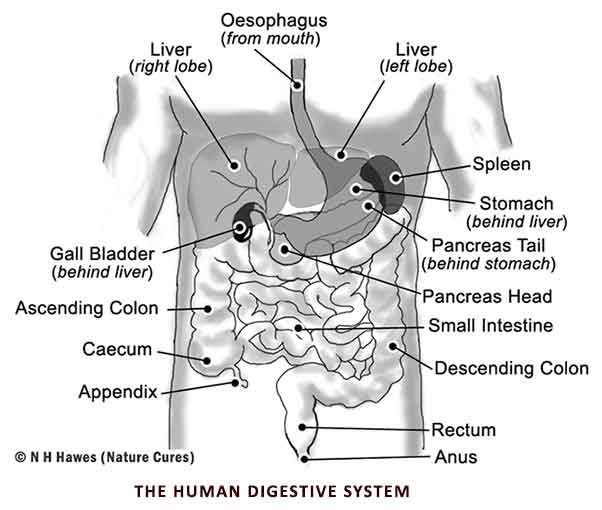
The hepatic artery carries blood from the aorta, whereas the portal vein carries blood containing digested nutrients from the entire gastrointestinal tract and also from the spleen and pancreas. These blood vessels subdivide into capillaries, which then lead to a lobule. Each lobule is made up of millions of hepatic cells which are the basic metabolic cells. Lobules are the functional units of the liver
The liver holds about 13 percent of the body’s blood supply at any given moment. It consists of two main lobes, both of which are made up of thousands of lobules. These lobules are connected to small ducts that connect with larger ducts to ultimately form the hepatic duct. The hepatic duct transports bile produced by the liver cells to the gallbladder and duodenum (the first part of the small intestine).
The liver regulates most chemical levels in the blood and excretes a product called bile, which helps to break down fats, preparing them for further digestion and absorption.
All of the blood leaving the stomach and intestines passes through the liver. The liver processes this blood and breaks down the nutrients and drugs in the blood into forms that are easier to use for the rest of the body.
The liver’s highly specialised tissues regulate a wide variety of high-volume biochemical reactions, including the synthesis and breakdown of small and complex molecules, many of which are necessary for normal vital functions.
When the liver has broken down harmful substances, they are excreted into the bile or blood. Bile by-products enter the intestine and leave the body in the faeces. Blood by-products are filtered out by the kidneys and leave the body in the form of urine.
The bile produced in the liver is collected in bile canaliculi, which merge to form bile ducts. The intrahepatic ducts eventually drain into the right and left hepatic ducts, which merge to form the common hepatic duct. The cystic duct from the gallbladder joins with the common hepatic duct to form the common bile duct. Bile either drains directly into the duodenum via the common bile duct or is temporarily stored in the gallbladder via the cystic duct. The common bile duct and the pancreatic duct enter the second part of the duodenum together at the ampulla of Vater, also known as the hepatopancreatic ampulla, which is a small, conical structure.
Every month the liver replaces itself using the food ingested. If it is not provided with the correct nutrients or overworked by consuming too many toxins and chemicals including drugs and alcohol it will begin to malfunction. This can cause raised cholesterol levels, poor skin, nails and hair due to toxin build up and digestion problems.
It is worth looking at changing the diet when any of these symptoms appear as it is more often than not the cause. If left unchecked nutritional imbalance and over toxicity can lead to liver damage, cirrhosis and jaundice and malfunctions of the following processes.
More than 500 vital functions have been identified with the liver including the following:
- Absorption of vitamin K.
- Breakdown of insulin and other hormones.
- Clearing the blood of alcohol, drugs and other toxins and poisonous substances.
- Collecting LDL cholesterol from the blood and storing ready for excretion.
- Conversion of poisonous ammonia to urea (urea is one of the end products of protein metabolism that is excreted in the urine).
- Decomposition of red blood cells.
- Formation of glycogen from glucose (this glycogen can later be converted back to glucose for energy).
- Hormone production.
- Manufacture of bile, which helps carry away waste and break down fats in the small intestine during digestion.
- Manufacture of certain proteins for blood plasma.
- Manufacture of cholesterol and special proteins to help carry fats through the body.
- Manufacture of insulin-like growth factor 1 (IGF-1), a polypeptide protein hormone.
- Manufacture of thrombopoietin, a glycoprotein hormone that regulates the production of platelets by the bone marrow.
- Manufacture of triglycerides (fats)
- Processing of haemoglobin for use of its iron content (the liver stores iron).
- Regulating blood clotting.
- Regulation of blood levels of amino acids, which form the building blocks of proteins.
- Resisting infections by producing immune factors and removing bacteria from the blood stream.
- Synthesis of glucose from certain amino acids, lactate or glycerol.
What substances does the liver store?
- Copper
- Glucose (in the form of glycogen)
- Iron (as ferritin and, in excess, as haemosiderin)
- Vitamin A (1–2 years supply)
- Vitamin B12 (1–3 years supply)
- Vitamin D (1–2 months’ supply)
- Vitamin E
- Vitamin K
Heart attacks, strokes and the liver
Liver damage can lead to artery and heart problems and strokes as the liver is responsible for producing all types of cholesterol that the body requires and is also involved in the removal of excess cholesterol from the blood that could cause a build-up of plaque on the artery walls. Therefore it is important to take care of this most vital organ. The most common damage of the liver is caused by excessive alcohol and drugs.
Glycogen and sleep
The average adult liver has about 75 to 100 grams worth of storage space for glycogen, which varies between men and women of different body sizes. An averagely active adult will use about 10 grams per hour of their glycogen stores for energy and much more when intense activity is undertaken. This means that stores will be running low during the eight hours of fasting, when sleeping, especially if the last meal was consumed a few hours earlier.
A teaspoon of honey taken before bed will restock the liver with the glycogen it needs for an eight-hour sleep and hence the brain will not activate a stress response which often occurs when glycogen is low. This stress response can cause people to wake up during the night.
Honey also contributes to the release of melatonin in the brain, as it leads to a slight spike in insulin levels and the release of tryptophan in the brain. Tryptophan leads to serotonin which is made into melatonin in the dark. When honey is taken last thing at night it also improves the metabolism and helps the liver break down the toxins that are stored in fat cells.
Liver disease
The liver supports almost every organ in the body and is vital for survival. Because of its strategic location and multidimensional functions, the liver is also prone to many diseases from various causes. The most common include:
- Alcohol damage
- Cancer
- Cirrhosis
- Drug damage (particularly by acetaminophen drugs such as paracetemol and cancer drugs)
- Fatty liver
- Hepatitis A, B, C, D and E
- Jaundice
NOTE: Amoxicillin-clavulanate is one of the drugs most responsible for drug-induced liver injury, while acetaminophen overdose is the main cause of acute liver failure.
What are the symptoms of liver damage?
- Pale stools
- Dark urine occurs when bilirubin mixes with urine
- Jaundice (yellow skin and/or whites of the eyes) This is where bilirubin deposits in skin, causing an intense itch. Itching is the most common complaint by people who have liver failure. Often this itch cannot be relieved by drugs.
- Swelling of the abdomen, ankles and feet occurs because the liver fails to make albumin.
- Excessive fatigue occurs from a generalized loss of nutrients, minerals and vitamins.
- Bruising and easy bleeding are other features of liver disease. The liver makes substances which help prevent bleeding. When liver damage occurs, these substances are no longer present, and severe bleeding can occur.
What should be avoided with liver disorders?
- Alcohol
- Bamboo shoots
- Brassicas like broccoli, Brussel sprouts, cabbage and cauliflower
- Butter and margarine
- Cheese
- Chia seeds
- Coffee
- Fats and oils
- Milk
- Peaches
- Prunes
- Nitrates
- Tobacco smoking
NOTE: Nitrates are used to artificially give processed meats like bacon and sausage products a deep red colour. They have been proven to cause cancer of the pancreas so all processed meats should be avoided. See>> Processed meat dangers
Carcinogenic substances can occur in nuts, grains and legumes when certain fungi that grow on food produce toxins during processing and/or storage. These toxins include aflatoxins which are poisonous substances that have been shown to cause liver and pancreatic cancer. Peanuts are the worst culprits. Always ensure these foods are fresh before consuming.
Cirrhosis of the liver
Cirrhosis of the liver is one of the most serious hepatic diseases. It is a condition used to denote all forms of diseases of the liver characterized by the significant loss of cells. The liver gradually contracts in size and becomes leathery and hard. The regenerative activity continues under liver cirrhosis, but the progressive loss of liver cells exceeds cell replacement.
A progressive distortion of the vascular system also takes place which interferes with the portal flow of blood through the liver. The further degeneration of the liver function and structure may ultimately lead to hepatic failure and consequently death.
The early stage of liver cirrhosis is characterized by symptoms such as gas and indigestion with occasional nausea and vomiting. There may also be loss of weight and abdominal pain. The patient develops a low-grade fever in the advanced stage. He also has distended veins in the abdomen, jaundiced skin and bad breath. There may also be an appearance of reddish hairlike markings on the face, arms, neck and trunks. There may be excessive bleeding from the stomach and the abdomen also becomes swollen and bloated.
The main cause of liver cirrhosis is the excessive consumption of alcohol for a long period. If the person does not abstain from alcohol the disease can progress to an end stage of liver failure. Other causes of liver cirrhosis include:
- A toxic condition of the system.
- Drug treatments for fever.
- Syphilis and other diseases.
- Excessive intake of highly seasoned foods.
- Habitual intake of quinine for long period.
Natural remedies for cirrhosis of the liver
The treatment for liver cirrhosis should first commence by putting the patient on a complete bed rest and complete abstinence from alcohol, coffee, fats, oils, sugar, spices and any unnecessary medications.
A daily liver cleanser should be taken first thing in the morning, see below.
A juice fast of the following should be done for three days:
- Aloe vera
- Beetroot
- Carrot
- Coconut water
- Cranberry
- Cucumber
- Ginger
- Grapes
- Lemon
- Papaya
- Pear
- Radish
- Spinach
- Tomato
See below for more natural remedies to heal the liver.
Hepatitis
Hepatitis A is one of five known viruses that cause inflammation of the liver (the others are B, C, D and E). Hepatitis A virus (HAV), classified as hepatovirus, is a small, unenveloped symmetrical RNA virus which shares many of the characteristics of the picornavirus family, and is the cause of infectious or epidemic hepatitis transmitted by the faecal-oral route. Hepatitis A is one of five known viruses that cause inflammation of the liver (the others are HBV, HCV, HDV and HEV). For more information see>> Hepatitis
Jaundice
Many diseases of the liver are accompanied by jaundice caused by increased levels of bilirubin in the system. The bilirubin results from the breakup of the haemoglobin of dead red blood cells; normally, the liver removes bilirubin from the blood and excretes it through bile.
There are also many paediatric liver diseases including biliary atresia, alpha-1 antitrypsin deficiency, Alagille syndrome, progressive familial intrahepatic cholestasis and Langerhans cell histiocytosis, to name but a few.
Diseases that interfere with liver function will lead to derangement of these processes. However, the liver has a great capacity to regenerate and has a large reserve capacity. In most cases, the liver only produces symptoms after extensive damage.
See below for natural remedies to treat hepatitis
Gall bladder
This organ is a small pear-shaped muscular sack that acts as a storage tank for bile. The bile is made in the liver and is sent through tiny ducts or canals to the duodenum (small intestine) and to the gallbladder. The gallbladder stores the bile to have it available in larger quantities for secretion when a meal is eaten. For more information and natural remedies for gallstones see>> Gall bladder disorders
Pancreas
The pancreas is a large gland behind the stomach and close to the duodenum; the first part of the small intestine. The pancreas secretes digestive juices, or enzymes, into the duodenum through a tube called the pancreatic duct. Pancreatic enzymes join with bile (the liquid produced in the liver and stored in the gallbladder) to digest food. For more information see>> Pancreas disorders
Daily morning gallbladder, liver and pancreas cleanser
The liver is the only internal human organ capable of natural regeneration of lost tissue. As little as 25% of a liver can regenerate into a whole liver if minor damage occurs. However, eventually it will get clogged and overworked which is when food stops being digested properly and the rest of the system is affected.
The following will clean it up so it can do its job. These ingredients together taken in a glass of warm water first thing in the morning, before eating or drinking anything else, will detoxify and clean the liver.
- Apple cider vinegar (one tablespoon)
- Lemon or lime juice (freshly squeezed)
- Honey (one teaspoons)
- Turmeric powder (1/4 teaspoon)
- Cinnamon powder, (pinch)
- Chilli pepper powder (pinch)
- Rosemary (ground pinch)
Daily gall bladder, liver and pancreas flush
In the event of gallbladder discomfort, it is a good idea to cut down on food consumption for a couple of days The remedies below also help to cleanse the gall bladder, liver and pancreas and should be taken first in the morning unless otherwise stated.
Nature Cures Remedy 1
1 x apple (juiced fresh), 1 x beetroot (juiced fresh), olive oil or rapeseed oil (one tablespoons) and 1 x lemon (juiced)
Nature Cures Remedy 2
Lemon (half juiced), olive oil or rapeseed oil (dessertspoon), garlic powder (1/8 teaspoon) once a day.
Later in the day, consume the juice of the other half of the lemon.
Nature Cures Remedy 3
Ground black seed (250 g), pure honey (1 tablespoon) and black seed oil (1/2 teaspoon) mixed thoroughly with half a cup of hot water. This should be taken in the morning on an empty stomach.
Nature Cures Remedy 4
Turmeric (1/2 teaspoon) daily can dissolve as many as 80% of gallstones. Turmeric has antioxidant and anti-inflammatory properties and improves the solubility of bile, making bile and its compounds, including those that form gallstones, easier to dissolve.
Nature Cures Remedy 5
Oregon grape enhances blood flow to the liver and increases bile production and helps to decrease gallbladder inflammation. This blend is even more effective when mixed with herbs listed below.
- Burdock root
- Chamomile
- Dandelion
- Marshmallow root
- Milk thistle
- Slippery elm
Nature Cures Remedy 6
1/2 teaspoon cinnamon and 1/4 teaspoon nutmeg simmered in a glass of goat’s milk and drunk before bed every day. Honey can be added if desired.
Nature Cures remedy 7
- 8 glasses of water
- 1 tablespoon of ground ginger root
- 1 whole organic cucumber sliced.
- On whole organic lemon sliced
- 12 leaves of mint
Method
- Place all ingredients in a large glass jug and stir well.
- Place in the refrigerator overnight.
- Consume throughout the next day.
- Do this for one week.
Nature Cures Remedy 8
Milk thistle (trim the sharp edges off young milk thistle leaves) and mix them with dandelion greens and steam like spinach or eat them raw. These herbs can also be taken as tea or tincture. Milk thistle contains silymarin, a flavonoid believed to cure gallstones. Silymarin helps the gallbladder with the production of bile, which helps breaks down the components in the gallbladder than can lead to gallstones. Substances in milk thistle can also aid liver function, which is directly related to gallbladder function.
Dandelion greens contain taraxacin that also stimulates bile production. And the greater volume of bile is more likely to flush out a stone. The seeds of milk thistle and the root of dandelion contain higher levels of these beneficial nutrients.
Nature cures remedy 9
Raw juice therapy can successfully treat gallbladder disorders. The best organic natural foods to juice using a minimum 900-watt slow juicer are:
- Artichoke
- Beetroot
- Carrot
- Cranberry
- Cucumber
- Ginger
- Grapes
- Lemon
- Papaya
- Pear
- Pomegranate
- Spinach
- Tomato
NOTE: Always drink juices immediately after making them. Other natural remedies from this page can also be added to your juice and stirred well before drinking.
A-Z of natural remedies for gallbladder, liver and pancreas disorders
Abuta is a powerful herb that can help to treat hepatic liver disorders.
Alisma root can cleanse and support the liver functions.
Aloe vera juice is a powerful cleaner and nourishes of the intestinal organs.
- To make juice from an aloe vera plant, break off a few leaves. Take a sharp knife and carefully peel the green rind from the leaves and discard.
- Peel off the yellow layer with a sharp knife or it can be removed by using one tablespoon of white vinegar and one cup of water.
- There should be about one tablespoon of clear aloe vera gel left.
- Place in a blender with a glass of orange and lemon freshly squeezed juice and blend.
- Drink immediately.
Apple cider vinegar can cleanse and purify the intestinal organs. Drink one tablespoon per day in warm water before eating or drinking anything else. Add any of the other foods from this page such as freshly squeezed lemon juice and honey.
Artichoke (globe) compounds support liver regeneration and bile production which is essential for digestion.
Astralagus is capable of reducing liver damage that has already been incurred as well as in protecting the liver against further possible damage.
Beetroots contain betanin that is a powerful protector of the liver.
Burdock root can help to repair damage done by drinking too much alcohol.
Chicory root contains a compound called esculetin that can protect the liver against the damage that can be cause by the intake of carbon tetrachloride, coffee and paracetemol. It also stimulates bile production and protects the gallbladder by inhibiting stone formation.
Chinese rhubarb root is said to enhance and improve gallbladder function and relieve both liver and gallbladder complaints by releasing an accumulation of toxins.
Cinnamon cleans the liver and intestinal tract and purifies the blood.
Cumin cleans the liver and intestinal tract and purifies the blood.
Dandelion root and leaves both have diuretic and anti-inflammatory compounds that protect the liver and can be used to treat cirrhosis and a fatty liver.
False daisy: The juice of all parts of the Eclipta alba plant is useful in treating liver problems. The juice of its leaves, in particular, is used for cirrhosis of the liver and hepatitis.
- Extract the juice from the leaves of false daisy
- Mix together one teaspoon each of this juice and raw honey.
- Consume this mixture three times a day for one month.
Fig leaves (Ficus carica) have powerful gall bladder, liver and pancreas cleansing properties. Not to be confused with the weeping fig houseplant (Ficus Benjamina)
- Take four fig leaves, wash them thoroughly and pound them.
- Fill a medium glass with water (preferably bottled mineral water).
- Add the leaves and drink this twice a day.
Ginger cleans the liver and intestinal tract and purifies the blood.
Green tea has a protective effect against liver disease and has antiviral properties that help fight viral hepatitis. It also reduces oxidative stress, which initiates cirrhosis of tissues. Drink three cups per day with the juice of half a freshly squeezed lemon and a teaspoon of raw honey.
Horny goat weed is useful to treat liver disorders.
Huang lian, also known as Picrorhiza kurroa, can be useful in treating cirrhosis of the liver, especially when it is caused by viral hepatitis. It reduces oxidative stress, promotes the secretion of bile juices and improves liver functioning and helps to treat jaundice. Plus, it stimulates appetite and acts as a powerful laxative. When suffering from constipation, mix twice the amount of this herb and honey and take it along with a cup of warm water three or four times a day.
- Mix together one tablespoon each of powdered root of this herb with raw honey.
- Consume three times a day for one month.
Liquorice root can treat chronic hepatitis B. Glycyrrhizin interferes with hepatitis B surface antigen and is synergistic with interferon against hepatitis A virus. It is also used at times to treat hepatitis C. Liquorice root helps protect the liver from damage due to chemotherapy. At low doses, the herb stimulates the liver to manufacture cholesterol and excrete it in bile. This can help lower serum cholesterol levels.
Milk thistle tea can help to cleanse the liver of toxins and help it regenerate.
Olive leaf extract has the ability to fight off viruses including hepatitis due to its ability to interfere with the amino acid production within the virus.
Papaya seeds contain components known to support and cleanse the gall bladder, liver and pancreas.
- Grind some fresh papaya seeds to extract one tablespoon of juice.
- Add the freshly squeezed juice of half a lemon.
- Drink it once or twice daily for one month.
Passion fruit contains components which have the ability to protect the liver and help it to heal.
Phyllanthus amarus herb is very effective in naturally treating liver, gall bladder and pancreas diseases including the hepatitis virus.
Radishes clean the liver and intestinal tract and purify the blood.
Reishi mushrooms can treat hepatitis, especially in cases without severe impairment of liver function.
Schisandra is used in traditional Chinese medicine to cleanse the liver, protect liver cells from further damage and help regenerate liver tissues. Studies have found that it can help protect against drug-related liver damage. In 2001, Chinese researchers studied the effects of this herb combined with astragalus root and found that the combination effectively helped improve portal hypertension in patients.
Turmeric cleans and protects the liver, intestinal tract and pancreas and purifies the blood. Some studies have shown that it can also prevent the replication of the hepatitis B virus. The curcumin in tuemric can help to treat a fatty liver and protect against metabolic disorders and diabetes and help with weight loss.
Turnips clean the liver and intestinal tract and purify the blood.
Yellow dock root stimulates regular bowel movements that helps to protect the gallbladder and intestines by helping to expel toxins and waste.
Protection against toxic substances
Bile creation enhancement (cholerectics)
Cholerectics often lower cholesterol levels as well.
- Artichoke leaf extract (cynara in artichokes becomes caffeic acid in stomach)
- Dandelion root
- Curcumin
- Turmeric
Bile movement enhancement (cholagogues)
- Dandelion root (enhances flow and improves bile duct inflammation, hepatitis, gallstones, jaundice)
- Beetroot juice
- Cysteine rich foods
- Methionine rich foods
- Taurine rich foods (thins the bile)
Fatty Infiltration reduction
- Alcohol avoidance
- Non-animal-fat diet
- High insoluble fibre consumption
- Lysine rich foods
- Methionine rich foods
Heavy metal elimination
Heavy metals such as mercury tax the liver and can be removed by consuming the following.
For more information see>> Heavy metals
NOTE: Sulphur rich foods may cause discomfort for gall bladder disorders such as gallstones.
Protection from free radical damage
Consuming foods rich in the following nutrients can prevent free radical damage to the liver, gallbladder and pancreas. Always consume natural foods rich in these nutrients rather than supplements which can cause serious imbalances. Follow the links to find out the highest natural sources of them.
- Alpha lipoic acid
- Aspartic acid
- Methionine
- Nickel
- Selenium
- Threonine
- Vitamin C
- Vitamin D
- Vitamin E
- Zinc
Related subjects

Join our mailing list to receive your monthly emailed newsletter with all the latest scientific findings for natural health remedies.