
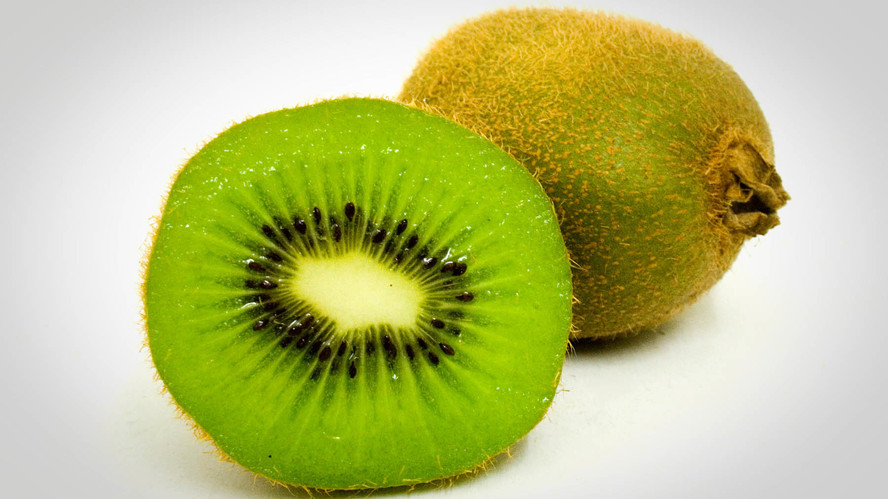
Also known as Actinidia deliciosa, Actinidia chinensis, Chinese gooseberry, yang toa
Also known as the Chinese gooseberry, this fruit was, for marketing reasons, renamed kiwi fruit by New Zealand exporters, after the kiwi, a brown flightless bird and New Zealand’s national symbol, and also a colloquial name for the New Zealand people.
Kiwifruit has properties that can protect against respiratory disorders, reduce asthma and the risk of cancer and detoxify the blood. They can reduce wheezing, chronic coughing and mucus production, especially in children suffering with respiratory disorders.
Kiwi fruit also contains enzymes such as actinidin, which assist in breaking down proteins and improving digestion. Antioxidants like vitamins C and E in kiwi fruit protect the skin from oxidative damage, promote collagen synthesis, and help maintain youthful skin
Kiwi fruits are a rich source of the antioxidant chlorophyll and an excellent source of vitamin C (even more than in oranges) and vitamin K, and a good source of vitamin E, copper and fibre. Kiwi fruits contain as much potassium as bananas and the seeds contain omega-3 fatty acids. Kiwis are also a good source of magnesium and phosphorous. Always consume the skin as this provides triple the amount of fibre and vitamin C.
NOTE: Because of their rich antioxidant content, kiwi fruits are a good choice to eat with processed meats containing added nitrates and nitrites to reduce the formation of carcinogenic compounds called nitrosamines. They are also good to consume with non-heme iron rich plant foods to enable absorption of the iron.
For more information see:
Related subjects