
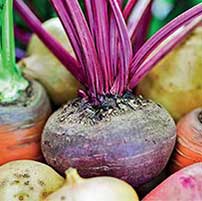
Phytosterols are plant-derived compounds that are similar in structure and function to cholesterol. All phytosterols in human blood and tissues are derived from the diet because humans cannot synthesise phytosterols. The modern diet provides far less phytosterols than it used to.
Because phytosterols inhibit the intestinal absorption of cholesterol, daily consumption of foods with at least 0.8 g of plant sterols or stanols lowers human serum LDL cholesterol and reduce the risk of cardiovascular disease. They can also reduce inflammation and improve urinary tract symptoms related to benign prostatic hyperplasia (noncancerous enlargement of the prostate).
High intakes of phytosterols, particularly sitosterol, can inhibit cancerous tumours. Unlike normal cells, abnormal (cancerous) cells lose their ability to respond to death signals that initiate apoptosis (programmed cell death). Foods rich in phytosterols have been found to induce apoptosis in human prostate, breast and colon cancer cells.
Natural sources of phytosterols in alphabetical order
- Almonds
- Amaranth
- Apples
- Apricots
- Ash gourd
- Asparagus
- Bamboo shoots
- Baobab fruit
- Beetroot
- Bell peppers (green)
- Brussel sprouts
- Cabbage
- Capers
- Cloves
- Cucumber
- Dill
- Legumes
- Lemon (peel)
- Lettuce
- Macadamia nuts
- Mung beans
- Okra
- Olive oil
- Orange (peel)
- Oregano
- Paprika
- Peanuts
- Pumpkin and seeds
- Rapeseed oil
- Rice bran oil
- Rye
- Safflower
- Sage
- Sesame seeds and oil
- Sunflower seeds and oil
- Thyme
- Tomatoes
- Wheat germ
- Whole grains
NOTE: Beetroot, cauliflower, cucumber (skin), lemon peel, lettuce, okra, rice bran oil, sage, sesame seeds and oil (cold-pressed), sunflower seeds and oil (cold-pressed) and thyme are the richest sources. Phytosterols are sensitive to heat therefore cooking, milling and refining processes all remove a lot of the sterols in processed foods.
Related subjects
- A-Z of nutrients
- Cancer
- Heart disorders
- Pain and inflammation
- Prostate problems
- Strokes
- Urinary system disorders

Join our mailing list to receive your monthly emailed newsletter with all the latest scientific findings for natural health remedies.