
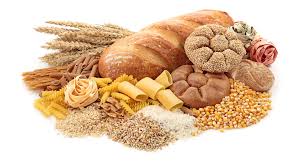
Also known as: Triticum sativum, hard red winter, hard white, durum)
Regular consumption of wheat can prevent cancer of the colon, lower the risk of breast cancer, prevent and cure arterial blockages and hence lower the risk of heart disease.
Significant nutrients in wheat and wheat grass
- Alanine
- Arginine
- Aspartic acid
- Caprylic acid
- Cystine
- Fibre
- Gadoleic acid
- Glutamic acid
- Glycine
- Histidine
- Isoleucine
- Lauric acid
- Leucine
- Linoleic acid
- Linolenic acid
- Lysine
- Methionine
- Myristic acid
- Oleic acid
- Palmitic acid
- Palmitoleic acid
- Phenylalanine
- Proline
- Protein
- Serine
- Stearic acid
- Tyrosine
- Threonine
- Tryptophan
- Valine
Vitamins in wheat and wheat grass
- Vitamin A (retinol)
- Vitamin B1 (thiamine)
- Vitamin B2 (riboflavin)
- Vitamin B3 (niacin)
- Vitamin B5 (pantothenic acid)
- Vitamin B6 (pyridoxine)
- Vitamin B9 (folate),
Minerals in wheat and wheat grass
NOTE: Avoid wheat if suffering from gluten intolerance or intestinal upsets as it can irritate the stomach lining. Amaranth or quinoa are good alternatives. See>> Gluten intolerance
Wheat grass
Wheat grass is the young wheat cereal and that has concentrated amounts of the nutrients listed above. Wheatgrass can be beneficial in promoting the production of haemoglobin which is responsible for carrying oxygen in the blood. Adequate amounts of haemoglobin in the blood can help with improving blood sugar related disorders, improving healing of wounds and infections and can help prevent infections.
Wheat grass has anti-inflammatory properties that are beneficial for arthritis. Other benefits include prevention of grey hair, reduction of high blood pressure and lowering of cholesterol.
Health disorders wheat grass can help to treat
- Anaemia
- Blood and vein disorders (haemorrhage)
- Bone and joint disorders (arthritis)
- Brain and mental health disorders
- Cancer
- Colds and coughs
- Constipation and diarrhoea
- Diabetes
- Excretory system disorders (dysentery, flatulence)
- Hair and nail disorders
- Heart disorders (atherosclerosis)
- High blood pressure
- Infertility
- Insomnia
- Liver disorders (jaundice)
- Menstrual problems
- Obesity
- Parkinson’s disease
- Respiratory disorders (asthma, bronchitis)
- Skin disorders (eczema)
- Teeth and gum disorders
- Tuberculosis.
- Water retention
Wheat grass can be grown easily at home as a sprout see>> Sprouting greens
Related subjects
- A-Z of natural foods and remedies
- Barley and barley grass
- Recovery from injury and surgery
- Whole grain benefits

Join our mailing list to receive your monthly emailed newsletter with all the latest scientific findings for natural health remedies.