
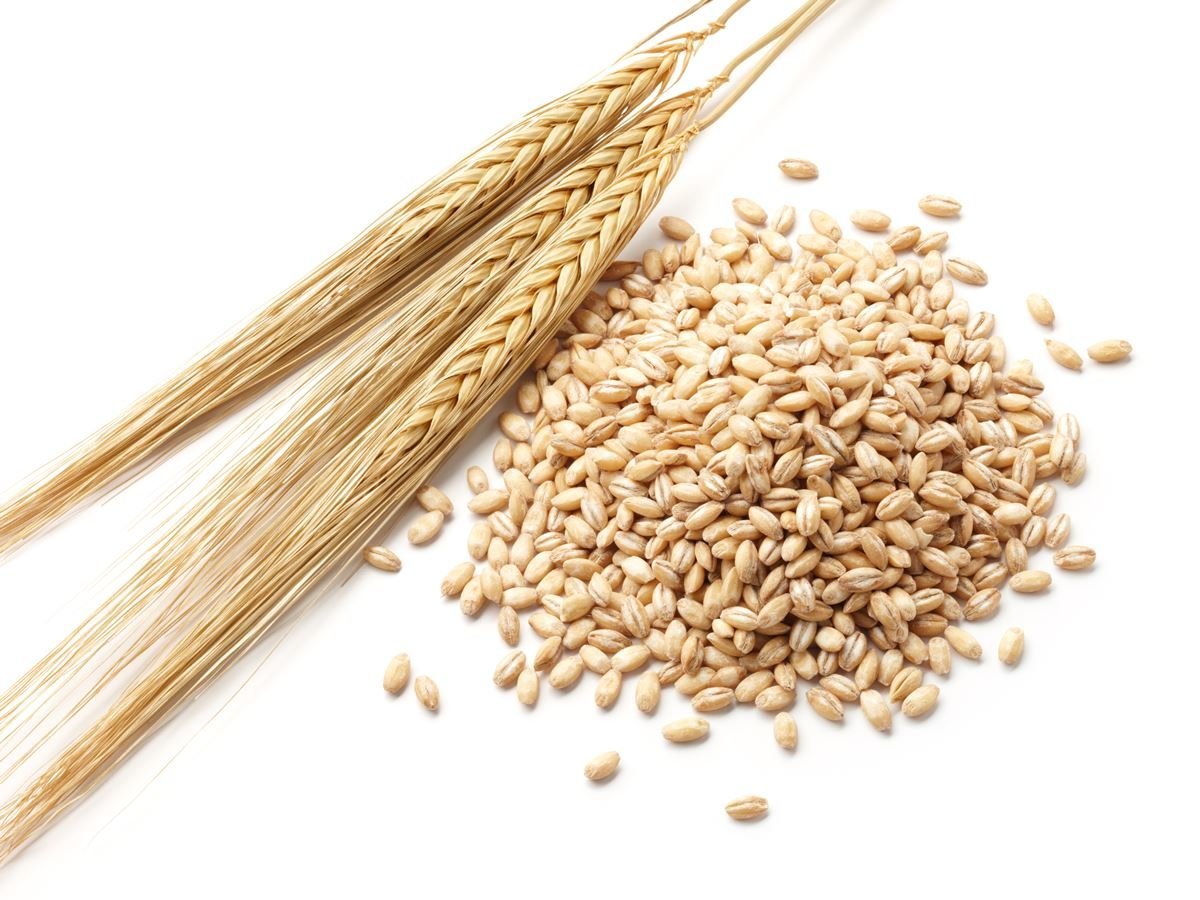
Also known as Hordeum vulgare
Barley is an ancient grain mentioned in the bible and first cultivated around 13.000 years ago. It is often overlooked by today’s culinary trendsetters, yet it is one of the grains with the greatest health benefits and has a good flavour and is very versatile. Barley can be used as a breakfast cereal, in soups and stews and as a highly nutritious substitute for dishes such as risotto.
It is a low-glycaemic grain, high in both soluble and insoluble fibre. It is a good source of vitamin B3 (niacin), has high concentrations of tocotrienol (the “super” form of vitamin E), selenium and provides lignans, which are phytochemicals that function as antioxidants. Women who consume lignans (also present in high levels in flaxseed) are less likely to develop breast cancer. It can also help to relieve symptoms of the menopause.
Soluble fibre helps the body metabolise fats, cholesterol and carbohydrates and lowers blood cholesterol levels, is cardio protective. Insoluble fibre promotes a healthy digestive tract and reduces the risk of cancers especially colon cancer. Hulled barley, in which the outer husk (the bran) is left intact, contains more fibre and nutrients than other forms, such as pearl barley which has had the bran removed so is less nutritious.
Hulled barley lowers blood cholesterol levels, protects against cancer especially colon cancer, is cardio-protective, protects against diabetes as it slows starch digestion, which help keep blood sugar levels stable.
The fibre found in barley provides food for the beneficial bacteria in the large intestine. This is important as the “good” bacteria can crowd out the disease-causing bacteria in the intestinal tract, resulting in greater health and disease resistance.
Barley was used traditionally to treat urinary disorders and regular consumption of barley water with freshly squeezed lemon juice can help to eradicate kidney and urinary tract infections. Simply boil some barley until soft. Strain the liquid, allow to cool and add the lemon (and a teaspoon of honey if desired). Drink a full glass three times a day and one before bed. Use the cooked barley in any dish desired.
Barley grass
Green barley grass (the young, sprouted shoots of barley) is rich in many other minerals, all the essential amino acids, chlorophyll, flavonoids and enzymes. Green barley juice, made from these sprouts, contains eleven times more calcium than cows’ milk, nearly five times the iron in spinach, seven times the vitamin C in oranges. Unusually for plant food sources, it contains 80 mcg of vitamin B12 per hundred grams and is therefore an excellent dietary additive for vegetarians and vegans who are often deficient in this vitamin due to limiting or avoiding meat in their diet.
Barley grass is also rich in beta-carotene, vitamins B1, B2, B5, B6 and B9. Because of this the juice can be used to treat avitaminosis (a deficiency of particular vitamins) and many other health disorders.
Barley grass juice is also used medicinally to heal stomach and colon disorders, duodenal ulcers, ulcerative colitis and is an effective anti-inflammatory. Research in Japan has also proven it an effective treatment for the following conditions.
- Blood and vein disorders (anaemia)
- Asthma
- Bone and joint disorders (arthritis)
- Cancer
- Cellular damage from x-rays
- Dementia (Alzheimer’s disease)
- Diabetes
- Gastritis
- Heart disease
- Liver disorders (hepatitis)
- Obesity
- Parkinson’s disease
- Peptic ulcers
- Skin disorders
Barley grass is also good for skin rejuvenation and can also repair the DNA in the cells of the body and aid in the prevention of abnormal growths, aging and cell death. Barley grass is also extremely rich in antioxidants, including tocotrienols (vitamin E) and one powerful antioxidant called tricin and it also has antiviral activity.
Barley seeds are easily grown at home as a sprouting seed. See>> Sprouting greens
Related subjects

Join our mailing list to receive your monthly emailed newsletter with all the latest scientific findings for natural health remedies.