
The spleen is an organ located in the left side of the abdomen, tucked under the rib cage behind the stomach. It is normally about the size of a person’s fist. The spleen plays multiple supporting roles in the body. It acts as a filter for blood as part of the immune system. Old red blood cells are recycled in the spleen and platelets, and white blood cells are stored there.
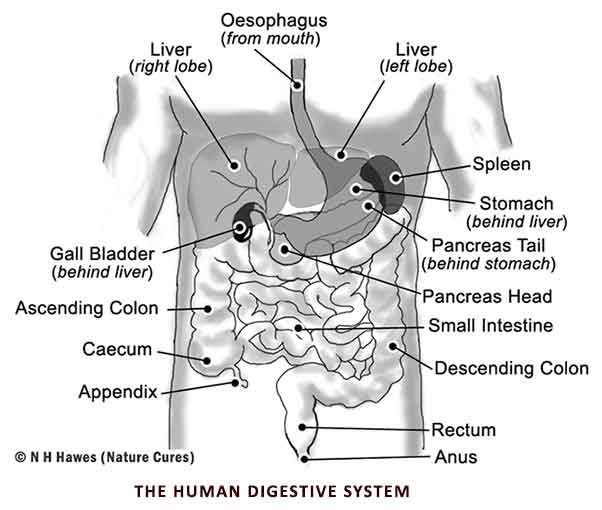
Injury can cause a ruptured spleen and, in some cases cause it to require surgery to remove it. Infections can lead to splenomegaly (enlargement) and various diseases, such as blood disorders, liver problems, and inflammatory conditions, can also affect spleen function.
People without a properly functioning spleen are at great risk of developing infections especially those caused by encapsulated bacteria which are germs with an outer coating which protects them from the body’s immune system.
Some encapsulated bacteria the spleen protects the body from
- Escherichia coli (certain strains)
- Group B Streptococcus
- Haemophilus influenzae
- Klebsiella pneumoniae
- Neisseria meningitidus
- Pseudomonas aeruginosa
- Salmonella typhi
- Staphylococcus aureus
- Streptococcus pneumoniae
Bites from disease carrying insects such as ticks, and bacteria from other animal, or even human, bites can become very serious when a person’s spleen is compromised as can any infection occurring from other sources.
People in hospital, especially burns patients and anyone who has had surgery, are vulnerable to Pseudomonas aeruginosa bacterial infections and more so if the spleen is not functioning well. This very common bacteria can also cause ear infections if swimming in water that has not been chlorinated and eye infections due to wearing long-term contact lenses.
Many of these bacteria are becoming resistant to conventional antibiotics which is of great concern and even more so if the spleen is compromised in any way. Escherichia coli infections can cause respiratory, urinary and surgical site infections and turn into life-threatening sepsis.
Diseases that a compromised spleen may allow to develop
Babesiosis: Babesia (also called Nuttallia) is a genus of protozoan apicomplexan piroplasms that infect the blood and cause a parasitic infection of the red blood cells.
Lyme disease: Caused by the parasite carried by ticks that live upon deer amongst other mammals.
Malaria: Caused by a bacteria carried by mosquitoes.
Meningitis: A bacterial infection of the brain and spinal cord.
Pneumonia: A respiratory infection caused by the Klebsiella pneumoniae or Streptococcus pneumoniae bacteria.
Sepsis: also referred to as blood poisoning or septicaemia, is a condition triggered by an infection where the immune system begins to attack the body’s own tissues whilst trying to fight off the infection and can lead to a reduction of blood supply to vital organs such as the brain, heart and kidneys which can be fatal.
These are just a few of the infections that can become serious due to a spleen disorder.
Symptoms of bacterial infection
A high temperature fever is the main symptom but can be caused by a virus infection too, so a blood test needs to be done.
More symptoms of a bacterial infection
- Abdominal pain
- Diarrhoea
- Headache
- Muscle aches
- Unusual tiredness
- Vomiting
Natural remedies to reduce a fever
Drink plenty of bottled mineral water.
Aloe vera, pineapple or radish juice or coconut water (prevents dehydration
Drink warm water with ginger, honey and freshly squeezed lemon juice.
Make teas with any of the following herbs and spices.
- Basil
- Burdock root
- Cloves (three)
- Coriander
- Dandelion leaves
- Mint
- Mustard seeds
- Oregano
- Saffron
- Thyme
- Yarrow
Method
- Steep any of the above ingredients in hot water for 30 minutes then strain.
- Reheat gently and add lemon juice and a teaspoon of honey for extra bug killing power and sip slowly. Drink three cups a day.
A tea made with daikon, shittake mushrooms and kombu seaweed can be used to lower fever and fight infection.
Natural antibiotic syrup
This powerful syrup can be used as a preventative and curative tonic for many health issues especially those involving bacterial infections and is especially useful when the spleen is compromised.
Other conditions the antibiotic syrup can help to treat
- Bone and joint disorders (arthritis)
- Blood and vein disorders (poor circulation)
- Cancer
- Colds and coughs
- Digestive disorders
- Fevers
- Fungal and yeast infections
- Heart disorders (atherosclerosis)
- High blood pressure
- Immune system disorders
- Influenza
- Liver disorders
- Pain and inflammation
- Parasites
- Virus infections
- Urinary system infections
Ingredients
- 800 ml of apple cider vinegar
- One tablespoon of grated ginger
- One tablespoon of finely chopped garlic
- Two tablespoon of finely chopped onion
- Two tablespoons of grated horseradish
- Two tablespoons of turmeric powder
- Two teaspoons of ground black pepper
- One chopped chilli peppers or ½ teaspoon of chilli powder
- Two tablespoons honey (optional)
- Two tablespoon of cold-pressed coconut oil
- Juice of one freshly squeezed lemon
Method
- Place all prepared ingredients in a large glass jar.
- Screw the lid on and shake well to mix.
- Leave in a cool dark place for seven days, shaking at least once a day.
- Strain the liquid from the mixture into a fresh jar, squeezing out as much as possible, then store in a cool dark place.
- As a treatment: Take one tablespoon of this liquid two to three times a day until the symptoms have gone.
- As a preventative: Take one tablespoon every morning on an empty stomach before food.
NOTE: Make sure to shake the jar well before taking a tablespoon of the tonic.
NOTE: Not recommended for pregnant women or children under the age of ten or those with stomach ulcers or for those taking medications to thin the blood.
Cloves have powerful antibacterial properties and three can be added, when the tea is still hot, to any of the herbal teas three times per day. The following spices are very effective antibiotics and should be sprinkled daily onto meals and soups and/or added to herbal teas.
- Chilli pepper
- Cardamom seeds
- Coriander seeds (ground)
- Cubeb seeds (ground)
- Cumin seeds (ground)
- Ginger
- Paprika
- Peppercorns (all colours ground)
- Turmeric
Cubeb, botanical name Piper cubeba, is the red alternative to black pepper and the seeds have antibacterial activity against Micrococcus pyrogens var. aureus. The oil of this plant is effective against the influenza virus and Bacillus typhosus. It is also a good tonic for the spleen which can help fight infections.
NOTE: Always store any herbal antibiotic liquids in a refrigerator and drink the same day.
Always try to obtain organically produced herbs, spices and natural whole foods as this will ensure that the mineral content of the soil was managed naturally and not artificially fertilised and that the crops were not sprayed with pesticides and other chemicals.
NOTE: Many herbs have powerful proprieties that may interact with certain medications so always consult a medial professional before taking herbs when on medications of any kind. See also>> What to avoid when
Many natural antibiotics are very common plants that can be easily grown organically in the garden at home or containers and pots on a balcony, patio or roof garden and some will thrive on a sunny windowsill indoors throughout the year.
Vitamin D is important to help the immune system fight infection. Many people are deficient as the body only stores vitamin D for 60 days. From October to April the sun in the northern hemisphere is too weak for the skin to produce vitamin D.
Sunscreen creams and covering up blocks this process and it cannot work through windows either. It is wise to get regular blood tests to check vitamin D levels when the spleen is compromised to ensure levels are correct.
Supplements of vitamin D3 may be necessary and they must be accompanied by vitamin in K2 plus some oil as they are fat-soluble meaning they cannot be absorbed without some fat or oil. The vitamin K2 helps vitamin D direct calcium to the bones and teeth instead of other tissues where it can cause harm.
Another good supplement to take is red krill oil for three reasons:
- They are the richest source of vitamin D.
- They also contain omega-3 fatty acids which are vital for many processes in the human body.
- They contain astaxanthin which is a powerful antioxidant which scavenges free radicals that can cause issues especially if the spleen is compromised.
NOTE: Another advantage of red krill oil is that krill are very short lived and reside at the top level of the ocean so do not get contaminated by mercury like other sea creatures are now. Try to ensure that only sustainably sourced krill oil is purchased.
A-Z of natural antibiotics
There are hundreds of naturally antibiotic plant foods that are useful to add to the diet when infections are present, and the spleen is not functioning correctly including the following.
...Related subjects
- Anti-microbial healing plants and foods
- Bacterial infections and natural antibiotics
- Brine pickling for health
- Feed your friendly bacteria
- Fungal and yeast infections
- Liver disorders
- Sprouting greens
- Virus infections
- Vitamin D
- What are free radicals?
- What to avoid and when

Join our mailing list to receive your monthly emailed newsletter with all the latest scientific findings for natural health remedies.