
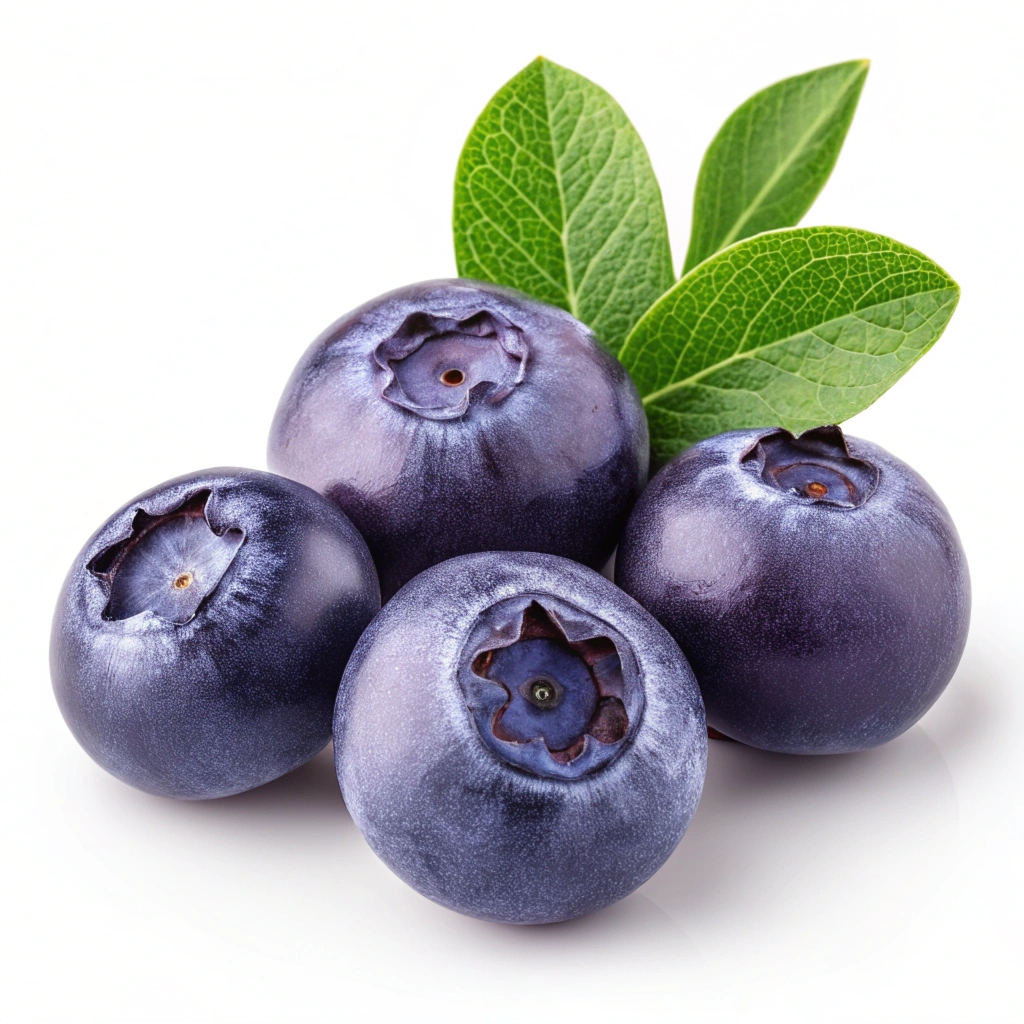
Also known as Vaccinium myrtillus, European blueberry, blaeberry, whortleberry, bulberry, whinberry, winberry, trackleberry, huckleberry or fraughan.
The bilberry plant is a close relative of the blueberry and is amongst the numerous species in the Ericaceae family. Bilberries are smaller with a tarter taste than blue berries and are far richer in antioxidants and other beneficial components. The bilberry has historical uses since the 16th century based upon both the dried berries and leaves of this shrub.
Buy organic dried bilberries from Amazon
Health benefits of bilberries
Bilberries have four times the anthocyanidin content of blueberries which provides strength to capillaries, which, in turn, help in the normal circulation of blood throughout body and keep the brain and eyes healthy. Bilberries provide support for night vision by nourishing the visual purple component of the retina and protect eyes from eyestrain or fatigue and can improve circulation to the eyes.
During World War II, when British Royal Air Force pilots ate bilberry preserves before night missions, they discovered that their night vision improved afterwards so this berry was investigated and found to be very beneficial for the eyes.
Bilberry works by improving the microcirculation and regeneration of retinal purple, a substance required for good eyesight. It is believed that this property is related to the high amount of anthocyanidins, a type of flavonoid that prevents capillary fragility and strengthen the capillaries which nourish the eyes and is also found in blue berries.
Bilberries have been found to be a natural source of pterostilbene which is a compound that is believed to be significant in the prevention of colon cancer. They also have major antioxidants present in them, which help in improving the overall immune system of the body and can slow down age related degeneration.
Antibacterial properties of bilberries
Bilberries contain phenolic components which have been found to exert anti-microbial activity against various human pathogens including bacillus and clostridium and prevents the development of associated diseases. The monosaccharides in bilberries have shown to possess antibacterial properties against Escherichia coli. Recent scientific findings also suggest the potential of bilberry extract in fighting antibiotic-resistant organisms.
Most of the parts of bilberry plant such as leaves and dried or ripe fruit are utilised in the preparation of herbal medicines.
Buy organic dried bilberries from Amazon
NOTE: Those taking anticoagulant and anti-platelet drugs should cautiously use bilberry extracts as they may interact detrimentally or alter the effectiveness of the medication.
WARNING: Some recent studies have warned against the usage of bilberry extracts in high concentrations as excessive consumption of bilberry may cause toxicity and result in fatal complications in some individuals.
Related subjects
- A-Z of natural foods and remedies
- Blood and vein disorders
- Brain and mental health disorders
- Cancer
- Eye disorders
- Immune system disorders

Join our mailing list to receive your monthly emailed newsletter with all the latest scientific findings for natural health remedies.