
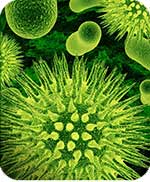
There are three main theories about the origin of viruses, and some pseudo-scientists question whether viruses even exist. Unlike living microbes, viruses cannot reproduce or metabolise on their own; they rely entirely on host cells for replication. Without cellular structures for respiration or excretion, viruses occupy a space between living and non-living matter. They are simple particles containing DNA or RNA, surrounded by a protein shell, that travel in fluids that can enter specific cells depending on the spike proteins that exist on the outer structure.
Viruses differ from single-celled organisms like bacteria or fungi as they lack cellular structure and are much smaller. While species refers to broad groups with shared traits and strains are genetic variants within species, viruses do not qualify as living organisms and thus these terms are technically inaccurate for them. Their differences are limited to spike proteins and whether they contain DNA or RNA.
Viruses move only through fluids; once inside an organism, they replicate within cells, causing illnesses based on affected areas. Their spike proteins allow entry into particular cells. The immune system can recognise and fight known virus structures if healthy.
Confusion and fear about viruses stem from perceptions of them as living parasites or microbes that have the ability to attack the body. Virus particles are unable to move, jump or swim . They are transported in fluids and only lock on to cells when they come into contact with one that has receptors that fit their spike protein structures purely by chance. Obiously the more virus particles there are floating in the bodily fluids, the more chance there is of them attaching to the correct human cell receptors. However, they do not ‘target’ and ‘attack’ as they do not have this ability.
The names given to the various particles is also confusing. They have been given complicated names which may reflect the geography, host, structure, or emergence year (e.g., Covid-19).
Reference: Viruses, vaccines and RSV terminology by the National Library of mediciney
The three theories about virus origins
- The virus-first hypothesis (viruses predate bacterial cells).
- The regressive hypothesis (they evolved from complex organisms).
- The escape hypothesis (genetic elements escaped from cells).
Early viruses may have been harmless messengers but evolved to attach to and replicate inside living cells. The term “virus” is Latin for poison or venom or slimy liquid. The first recognised infection was tobacco mosaic virus (TMV) in 1892, by a Russian botanist, Dmitri Ivanovsky in Russia. He found that a substance from diseased tobacco plants remained infectious even after being filtered through a filter that would trap bacteria. Then in 1898, a Dutch scientist Martinus Beijerinck named the agent a “virus” and declared that it was a distinct, infectious entity
The virus particle is 100 times smaller than a single bacteria cell. The bacterial cell is more than 10 times smaller than a human cell and a human cell is 10 times smaller than the diameter of a single human hair. A virus particle (also known as a virion) has three main parts:
- Nucleic acid core (DNA or RNA)
- Protein coat (capsid)
- Lipid membrane (envelope). Some viruses lack this and are known as naked viruses.
Virus particles are not simply taken into cells. They must first attach to a receptor on the cell surface. Each group of different virus particles has specific spike proteins. It is the distribution of the receptor molecules on host cells that determines the virus particles that can enter it.
These virus particles can enter the body from the environment or other living organisms from soil to water to air via nose, mouth, eyes or any breaks in the skin and then can be transported to a place where they can enter particular cells.
Many common virus particles are structured to attach to the receptors of the respiratory or digestive tract cells whereas HIV can attach to the immune system’s T-cells. This means they reduce the immune system’s ability to fight off other infections which is why HIV is so dangerous.
The immune system can ‘recognise’ these structures if it has encountered them before and, if in a healthy state, can fight off these invading particles depending upon how severe the invasion is. An unhealthy sedentary lifestyle accompanied by poor eating habits, toxins and unhealthy hygiene practises will cause a more serious infection and may even be fatal.
Steroid drugs compromise the immune system which can lead to serious virus and bacterial infections.
Antibiotics cannot treat viruses but are often mistakenly prescribed as a protective measure by doctors in case the infection is cause by bacteria. The result of this is to kill off even more of the friendly bacteria that provide protection against viruses in the body, and this allows an easy gateway for viruses to enter and take over the system and proliferate.
The cycle of a virus particle
- A virus particle attaches to a host cell. This is called ‘the process of adsorption’.
- The DNA or RNA of the particle is released into the host cell and called ‘entry’.
- The invading DNA or RNA takes over the cell’s mechanics and recruits the host’s enzymes.
- The cellular enzymes start making new virus particles called replication.
- The newly formed virus particles eventually overwhelm the cell so it collapses and releases the virus particles which can then enter new host cells. This is called release.
The virus particle makes thousands of copies of itself and in the process, damages or destroys the host cells. All this cellular debris and loose viral particles signal the immune system to fight back. White blood cells zoom to the infected scene, releasing chemical toxins, fever stimulators and other agents built to fight the invading virus particles. Viruses test the body’s infection-fighting capacity. As a consequence, symptoms including pain, redness, swelling, heat, fever, and rash often result.
A virus particle can bypass the body’s built-in alarm system (the immune system) by becoming dormant in areas where the immune system has no access such as within tyhe nerves. Virus particles can also use mutation (altering their identity) resulting in a delayed response by the immune system. They can also cause suppression of the immune system when they enter T cells: examples would be HIV and Epstein-Barr virus (EBV).
Some viral infections are short-lived, like colds and influenza. Others are lifelong such as hepatitis, herpes and AIDS (which many people believe is caused by the Human Immunodeficiency Virus).
Throughout history, viral epidemics have plagued mankind and proven more powerful than the mightiest of armies.
- A flu epidemic wiped out Charlemagne’s army in 876 AD.
- Thousands of American colonists in the 1720s died after being exposed to a flu virus.
- The Spanish flu of 1918 killed more than 22 million people worldwide.
- The Hong Kong flu killed more than 70,000 Americans in the late 1960s.
- In the early 1980s, a new viral disease surfaced that still plagues the world today: AIDS.
- In the late 1990s, a lethal, fast-killing virus appeared called ebola. Like AIDS, there is still no cure for ebola.
- Then Covid19 flu struck in 2019 bringing the entire world to a halt during the lock down.
Type of viruses that can infect humans
- Arenavirus
- Chikungunya virus
- Corona viruses
- Coxsackievirus
- Crimea-Congo fever virus
- Dengue virus (Dengue fever)
- Ebola
- Epstein-Barr virus
- HPAI (avian, bird flu)
- Hantavirus (from rodents)
- Hepatovirus A, B, C, D, and E (causes hepatitis, liver inflammation)
- Herpes zosta (cold sores, genital herpes)
- Human immunodeficiency virus (HIV/AIDS)
- Human papilloma virus (warts)
- Influenza A, B and C
- Junin virus
- Kyasanur Forest virus
- Lassa virus
- Machupo virus (black typhus)
- Marburg virus
- Molluscum contagiosum
- Nipah virus
- Norovirus (stomach flu, diarrhoea)
- Poliovirus (polio)
- Rabies virus
- Respiratory syncytial virus
- Rhinovirus (colds and coughs)
- Rotavirus (stomach flu)
- Rubella (German measles)
- Rubeola virus (measles)
- Seoul virus (from rodents)
- Varicella-zoster virus (chicken pox, shingles)
- Zika virus
Chicken pox and shingles (varicella zosta and herpes zosta viruses)
Chicken pox is an infectious disease causing a mild fever and a rash of itchy inflamed pimples which turn to blisters and then loose scabs. It is caused by the varicella zoster virus and mainly affects children.
Shingles, also known as herpes zoster, is an infection of a nerve and the skin around it that is caused by the varicella-zoster virus, which also causes chickenpox and can reoccur many times throughout life. The chicken pox virus remains dormant in the body and can erupt in later life causing painful shingles blisters anywhere on the body although usually on the trunk. For natural remedies see>> Chickenpox and shingles
Chikungunya virus
Chikungunya is a viral disease spread by mosquitoes that bite during daylight hours and is common in Africa and southern Asia. However, due to global warming it is spreading northwards as mosquitoes can now survive and thrive further north. In the UK 73 cases were reported in the first six months of 2025 which was double the number reported the previous year. For more information see>> Mosquito-borne infections
Covid-19 virus infection
COVID-19, or Coronavirus disease 2019, is a contagious disease caused by the SARS-CoV-2 influenza virus. Influenza means contagious respiratory disease caused by a virus. Like most influenza viruses, Covid-19 can cause a range of illnesses, from mild respiratory issues to severe, sometimes fatal, respiratory illness. For more information see>> Covid-19 virus infection
Coxsackievirus (polio virus, echovirus, hepatitis A)
Coxsackievirus is a virus that belongs to a family of non-enveloped, linear, positive-sense RNA viruses, Picornaviridae and the genus Enterovirus. They are part of the enterovirus family of viruses (which also includes polioviruses, echovirus and hepatitis A) that live in the human digestive tract. For more information see>> Coxsackievirus
Crimean-Congo haemorrhagic fever virus (CCHFV)
This is a severe tick-borne disease that kills people across the world and has been doing so since around 600 and 450 B.C. See>> Mosquito borne infections
Ebola virus
The Ebola and Marburg viruses are the only members of a newly identified family of single-stranded, unsegmented RNA viruses, the filoviridae. This family is closely related to the rhabdoviridae, which includes the rabies virus, and the paramyxoviridae. Viruses in this latter family cause childhood diseases such as measles. Filoviruses infect humans and other primates. For more information see> Ebola virus infection
Epstein-Barr virus (EBV)
EBV is responsible for infectious mononucleosis (IM). The virus has an affinity for the B-lymphocytes of the immune system. Epstein-Barr virus (EBV) belongs to the herpes family of viruses. It is sometimes referred to as Human Herpes virus-4 (HHV-4). Epstein-Barr is one of the most common viruses in humans affecting approximately 95% of adults by the age of 35-40 years. For more information and natural remedies see>> Epstein-Barr virus infection
Hantavirus infections
Hantaviruses, from the Bunyaviridae family, are a group of viruses that are normally carried by rodents, such as rats, mice and voles. They are present throughout the world, and they cause a range of diseases in humans ranging from mild, flu-like illness to severe respiratory illness or haemorrhagic disease with kidney involvement. See>> Hantavrius infections
Hepatitis (inflammation of the liver)
Hepatitis A virus (HAV), classified as hepatovirus, is a small, unenveloped symmetrical RNA virus which shares many of the characteristics of the picornavirus family, and is the cause of infectious or epidemic hepatitis transmitted by the faecal-oral route. Hepatitis A is one of five known viruses that cause inflammation of the liver (the others are B, C, D and E). For more information see>> Hepatitis
For natural foods that support the liver see>> Liver disorders
Herpes
Once infected by the herpes virus it goes into ‘hiding’ from the immune system and lays dormant in the nerve cells, specifically within the sensory nerve ganglia. These ganglia are located near the spinal cord and every so often it will become active, sometimes due to specific triggers, and cause an outbreak of herpes blisters often in the same area but it can also spread to other parts of the body. For more information and natural remedies see>> Herpes virus infection
Human papilloma virus (HPV)
This is the most common sexually transmitted infections. There are more than 40 types of HPV that can infect the genital areas of males and females. These HPV types can also infect the mouth and throat. They can cause serious health problems, including genital warts and cancer of the penis, vulva, vagina, anus, mouth and throat. For more information and natural remedies see>> Human papilloma virus infection
Human Immunodeficiency virus (HIV/AIDS)
HIV specifically attacks the white blood cells of the immune system (CD4+ T-helper cells) and allows other infections and/or diseases to develop such as fungal infections and pneumonia. It is estimated that 34 million people worldwide have been infected by the HIV virus. The majority of people infected by HIV develop a flu-like illness within a month or two after the virus enters the body. This illness, known as primary or acute HIV infection, may last for a few weeks.
The symptoms of HIV usually happen within one or two months of infection but, in some cases, they may not manifest themselves for up to a decade after infection. For more information see>> Human Immunodeficiency virus HIV AIDS
Influenza (flu)
There are three classifications of the influenza virus: A, B and C. The most common cause of the flu is Influenza A. It often occurs in epidemics during the late fall or early winter. The highest incidence of the flu is in school children. The incubation period is 48 hours. Acute symptoms usually subside in two to three days. Chills, fever, headache and muscular aches and pains are the most common initial symptoms followed by a severe cough. Persons at risk for serious complications include those with chronic pulmonary disease, heart valve disease or heart disease. For natural remedies see> Colds, coughs and influenza
Measles
A highly infectious virus disease of the respiratory system very common in childhood. It is so common at this stage of life that nearly all children everywhere in the world go through this brief period of red spots. The disease appears in epidemic form, often in the winter season. It can be very unpleasant and possibly lead to serious complications, including blindness and even death. For more information and natural remedies see>> Measles.
Norovirus (winter vomiting disease)
Norovirus is a common food-borne disease and a particular problem in nursing homes, hospitals, cruise ships and schools. Although unpleasant, the infection usually passes in a few days. But it can pose a dangerous threat to some people with underlying medical problems.
Noroviruses are the commonest cause of acute gastroenteritis in humans and are estimated to account for 60% to 85% of all gastroenteritis outbreaks in developing countries. The virus is most commonly spread through an infected person’s faeces or vomit and often by unwashed hands. They are also often transmitted by consumption of contaminated food, particularly oysters, which appear able to concentrate the virus, or exposure to contaminated water.
Oregano contains an element known as carvacrol which acts directly on the capsid, the tough shell of proteins surrounding the norovirus that encloses its genetic material. Consuming a tea, made by steeping oregano leaves in hot water for 15 minutes then straining and sipping slowly, can help fight off this infection which can cause vomiting and diarrhoea.
Making a household cleanser and surface sanitiser using oregano oil or a tea from oregano leaves steeped in hot water for 20 minutes is especially useful where people may be vulnerable to the effects of strong bleach or alcohol-based cleaners, such as care homes, hospitals and schools. See>> Hygiene, toxins and health
Rabies virus
The rabies virus has a characteristic bullet-shaped virion structure. Rabies virus infection in mammals is nearly 100% fatal if left untreated.
Rhinovirus (common colds and coughs)
The rhinoviruses (over 100 types) consist of a single-stranded RNA nucleic acid molecule and are not surrounded by an envelope. This virus is responsible for approximately 50 per cent of common colds and only infects the upper respiratory tract. Once infected, the body makes a specific antibody to avoid re-infection to the particular type it has encountered. Most people recover within a few days from a cold although a cough may linger on a while. If it does not stop after three weeks, it is best to consult a health care professional. For natural remedies See>> Colds, coughs and influenza
Zika virus
The zika virus is caused by a bite from the Aedes mosquitoes who carry the virus. Unfortunately these mosquitoes are active during the day so bed nets do not prevent bites. It was first identified in monkeys in Uganda in 1947. The first human case was detected in Nigeria in 1954 and there have now been outbreaks in Africa, Barbados, Brazil, Florida, South America, Southeast Asia and the Pacific Islands. See>> Mosquito-borne infections
Natural remedies for virus infections
The only possible way to fight off viruses, yeast or bacterial infections is to strengthen the immune system by undergoing a complete lifestyle change and take the following 4 steps seriously:
1. Rest and restorative sleep and the elimination of stress, sugar, salt, alcohol, prescribed medications, drugs, tobacco smoking, toxic chemicals and fatty, processed or reconstituted meats will have an instant effect.
2. Natural unprocessed additive free highly nutritious food is of ultimate importance. Increasing oily fish, whole grains, legumes, fruit and vegetables of all colours, herbs and spices, nuts and seeds, healthy plant-based oils (like rapeseed and olive oil) and organ meats.
3. A micro diet of sprouts (grains, seeds, nuts and legumes) can give a huge nutritional boost to the system see>> Sprouting greens
4. Food combinations. Carotenoid containing foods must be consumed with healthy fatty foods like plant and nut oils, avocado and nuts. Also the body digests proteins and starches differently, so it is quite crucial not to eat them together at the same meal. While this is contradictory for 99% of today’s recipes, experimentation with correct food combinations can aid digestion of food and eliminate excess flatulence and bloating by correcting the balance of intestinal flora which leads to the ability to fight off any infections and ultimately will also lead to natural effortless weight loss by metabolising fats in the body. See>> Feed your friendly bacteria
Anything less than all of this will compromise the system and allow viruses to multiply rapidly until they seriously damage the cells of vital organs in the body. The body is such a complex system, and the organs are all inextricably linked by nerves, connective tissues and the veins. Blood carries everything the body needs to each organ and often, it can be the carrier of adverse microorganisms such as viruses, pathogenic bacteria and yeasts.
So keeping the intestines and blood healthy and fighting fit is the only way to recover fast from any viral infection. Trying to attack the virus with powerful chemicals also attacks the body’s healthy cells and again upsets the natural balance of flora that resides in the intestines that can do this naturally if allowed to.
Avoid all yeast and yeast extract products such as brewer’s or torula yeast or yeast spreads if suffering with a virus infection as some may aggravate the condition.
Antibiotics are ineffective for viral infections since they work by destroying the specialized structures of all the bacteria in the body including those essential for processes that give humans good health. There are many plants with powerful and natural antiviral capabilities in their flowers, leaves, stems, bark, seeds and roots. Click the blue links to visit each one to find out more.
Natural medicinal herbs and foods that exhibit powerful antiviral properties can be found here> Anti-microbial healing plants and foods
Mushrooms that exhibit powerful antiviral properties are: basidiomycete mushroom, maitake mushroom, reishi mushroom and shiitake mushroom
NOTE: Mushrooms should be avoided by those with the herpes virus as they can cause an flare up of the virus.
A blend of astragalus, echinacea, licorice root, lomatium dissectum, reishi mushroom and scutellaria can be especially potent against deadly viruses.
NOTE: Avoid scutellariae if pregnant or breastfeeding.
Aubergine seeds are an immune system stimulant. Intake of half a gram to one gram of these seeds daily for three days will help develop immunity against many viruses especially measles for one year.
Hemp seeds are highly nutritious and contain many important minerals and fatty acids that can help to boost the immune system.
Liquorice root (not the confectionary that shares the same name) has been a key ingredient in most Chinese herbal formulas for more than 3,000 years. Research indicates that liquorice’s two primary ingredients-glycyrrhizin and glycyrrhetinic acid boost production of interferon. Active ingredients hypericin and pseudohypericin, are phytochemicals that display strong antiviral properties enough to overpower herpes simplex viruses type 1 and 2, certain flu viruses (influenza A and B) and EBV.
Lomatium dissectum is best to use with a liver/urinary stimulant such as dandelion to help avoid a lomatium rash side effect.
The medicinal mushrooms, crushed seeds and chopped herbs should be steeped in hot water for 30 minutes, strained off then the liquid drunk as a tea, soup or broth 3 times a day until the infection is gone.
The herb roots should be chopped up and simmered for 30 minutes before consuming along with the juice once a day until the infection is gone.
Add any of these medicinal herbs, spices and mushrooms to meals and with fruit juices and honey which may help some of them be more palatable.
NOTE: Reishi mushrooms can be placed in hot water and taken as tea, hot chocolate, mocha or latte as an alternative to coffee. Avoid reishi mushrooms if taking medication for anti-hypertensive, blood sugar lowering medications and anti-coagulants or are pregnant. Side effects may cause mouth dryness, bleeding from the nose and bloody stools.
Check the pH of your saliva with pHydrion paper. If your saliva pH is below 7.2 then you may have an imbalance of the bacteria flora in the intestines. To increase your oral pH to a normal 7.2 or greater, drink 1 teaspoon of bicarbonate of soda in 2 ounces of cooled boiled water. It is that simple to neutralize the acids that cause bacteria imbalance, yeast infections, tooth cavities and decay, mouth sores, proliferation of worms and parasites, halitosis, anaemia, virus infections and even oral cancer. See>> Acidity in the body
Nutrients required to ward off and fight viruses
Foods rich in the following nutrients can assist the body with fighting off virus infections.
NOTE: Colloidal silver has powerful antiviral properties.
External remedies for rashes caused by viruses
For virus infections such as shingles, herpes and cold sores try: aloe vera juice ointment or bath, apple cider vinegar, bicarbonate of soda, coconut oil bath, goldenseal, liquorice root, tea tree oil bath, raw honey, leek juice, mugwort, peppermint tea or tamanu oil
For viral infections of the lungs like flu or colds, use crushed garlic, cayenne pepper, crushed coriander seeds or comfrey (as a hot or cold fomentation compress) mint (vapours), eucalyptus (vapours) or a pine needle tea bath to relieve congestion.
Midday outdoor sun exposure on the bare skin daily for 15 minutes without sunscreen and not through a window is recommended so the body can naturally make adequate vitamin D which is vital for the immune system to work correctly.
Vitamin D helps maintain a healthy immune system and there is evidence of its role in viral infections. It would be wise to have a blood test to check levels, and it may be necessary to take vitamin D3 supplements.
Many people are deficient in vitamin D especially in the northern hemisphere where the sun is too weak for them to manufacture vitamin D from their skin between October and April. The body only stores vitamin D for up to two months so by November to December stores have run out. For the highest natural food sources see>> Vitamin D
Fever
Fever is an elevation in body temperature. It’s the body’s protective mechanism against infection. The elevation in temperature happens when the immune system is fighting off bacteria and viruses that could harm the body.
Normal body temperature ranges from 97 to 99 degrees Fahrenheit but varies throughout the day. Usually is lower in the early morning and higher in late afternoon. A fever is considered to be any temperature above 100 degrees Fahrenheit. One should get concern when temperature rises above 102 degrees Fahrenheit for an adult and 103 degrees Fahrenheit for children.
Often, having high temperature is helpful for the body; it’s the way the body acts to destroy harmful microbes. In an adult, temperatures under 103 degrees Fahrenheit encourage the body to create more immune cells. A fever of 104 or higher can be a risk for people with cardiac problems, since it accelerates the heartbeat and makes it work harder, and can cause irregular rhythms, chest pain or even heart attack. When a person has had a fever over 106 degrees for a long period of time, can cause dehydration and brain damage.
The old saying “feed a cold and starve a fever” is good advice. When a fever is present only liquids should be drunk.
Natural remedies to reduce a fever
- Warm mineral water with honey, lemon, ginger and a pinch of Himalayan pink salt crystal helps to replace lost electrolytes and reduce fevers.
- Drink plenty of bottled mineral water
- Aloe vera juice
- Radish juiced
- Coconut milk or water
- Pineapple juice (prevents dehydration)
Steep 1 or more of the ingredients below in hot water for 10 minutes then strain and sip slowly as a tea with honey and freshly squeezed juice of one lemon and a dash of apple cider vinegar.
- Basil
- Cloves
- Coriander
- Mint
- Mustard seeds
- Oregano
- Raisins
- Saffron
- Thyme
- Yarrow
A slice of raw onion or crushed garlic and olive oil on the soles of the feet can bring down a fever.
What to avoid
When suffering a fever supplements containing iron or zinc. Iron causes great tension in a body that is fighting infection and zinc is not absorbed by the body during fever
Ginger if taking anticoagulants (blood thinning medication) or non-steroidal anti-inflammatory drugs such as aspirin and ibuprofen or in the first trimester of pregnancy
Daily morning liver cleanser
- ¼ teaspoon ginger
- ¼ teaspoon turmeric
- A pinch of cayenne pepper
- One tablespoon apple cider vinegar
- Freshly squeezed juice of one lemon or lime
- 1 x teaspoon of pure honey
Add these ingredients to a mug of hot (not boiling) water and drink first thing in the morning before anything else/ This both can cleanses the liver and alkalises the body.
To help boost the immune system and for ways to recover from infections faster see>>
- Anti-microbial healing plants and foods
- Brine pickling for health
- Feed your friendly bacteria
- Healthy diet to aid recovery
- Sprouting greens
- Vitamin D
Related subjects

Join our mailing list to receive your monthly emailed newsletter with all the latest scientific findings for natural health remedies.