
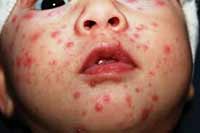
Chicken pox is an infectious disease causing a mild fever and a rash of itchy inflamed pimples which turn to blisters and then loose scabs. It is caused by the varicella zoster virus and mainly affects children.
The virus can spread through air or contact with saliva, mucus or fluid from blisters of an infected individual. The infected person is contagious from a day or two before the rashes appear, until the time when all the blisters have dried.
It usually takes 10-21 days for the symptoms to develop the symptoms after being exposed to the virus. The most common symptoms are an itchy rash and red spots or blisters all over the body.
Other symptoms of chicken pox
- Aching muscles
- Fatigue
- Fever
- Loss of appetite.
There is no cure for the virus, but it usually clears up of its own accord after around two weeks.
Shingles
Shingles is an infection of a nerve and the skin around it that is caused by the varicella-zoster virus, which also causes chickenpox and can reoccur many times throughout life. The chicken pox virus remains dormant in the body and can erupt in later life causing painful shingles blisters anywhere on the body although usually on the trunk.
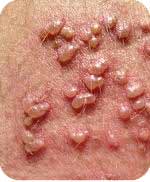
Confusingly, shingles and herpes are not the same, although they are both caused by viruses from the herpes family. Shingles, also known as herpes zoster, is caused by the varicella-zoster virus, which is the same virus that causes chickenpox. Herpes, on the other hand, can be caused by herpes simplex virus type 1 (HSV-1) or type 2 (HSV-2). While both conditions can cause painful rashes and blisters, they have different characteristics and locations on the body.
NOTE: Consumption of yeast products, mushrooms and steroid medications or eye drops can cause recurrences of shingles attacks.
External remedies for chickenpox and shingles
Avoid scratching and keep very clean during attacks to avoid gaining an additional bacterial infection.
Bicarbonate of soda: To relieve the itching add a half a tablespoon to a cup of water and use a soft washcloth to dab onto affected areas and allow to dry. Alternatively add a few tablespoons to warm bath water and soak in it before gently patting the skin dry.
Baths: Adding aloe vera gel, apple cider vinegar, bicarbonate of soda, Epsom salts or tea tree oil to a warm bath and soaking in it for 10-20 minutes once a day can help to heal the chicken pox and shingles rashes more quickly.
NOTE: Always take care to clean the shower or bath if it is shared with anyone and never share towels to avoid transmitting the virus to them. Following a shower or bath, make sure to dry the affected area thoroughly, as moisture prolongs symptomatic sores. Patting with bicarbonate of soda after a bath will help to dry up sores quickly and helps to kill off the active virus.
Chamomile, lavender, marigold and sandalwood essential oils: Adding a few drops of any of these oils to a bath of lukewarm water then soaking for 10 to 15 minutes can relieve itching.
Honey can help to heal blisters and relieve itching. Choose a local pure honey and spread onto affected area two or three times a day for ten minutes before soaking in a cool bath with a tablespoon of sea salt added to it.
Neem leaves: These can be crushed and added to bath water or made into a paste and applied to the affected area. Neem leaves have antiviral properties, and help blisters to dry out and stops itching.
Oatmeal: Grind a cup of oatmeal into a fine powder and pour into a bath of lukewarm water and soak for 10 to 15 minutes.
Vinegar: Add half a cupful to a bath of lukewarm water and soak for 10 to 15 minutes. This will help to relieve itching and prevent scars.
WARNING: Never give aspirin or nurofen/ibuprofen anti-inflammatory medications to children with chicken pox as they can react with chicken pox virus causing it to go deeper into the skin tissue. This may lead to septicaemia and symptoms include sudden high fever with chills, abdominal pain, nausea, vomiting, diarrhoea, shortness of breath and a rapid heart rate. Septicaemia needs immediate emergency hospital treatment.
Natural remedies to consume to treat chicken pox and shingles
- Aloe vera juice
- Apple cider vinegar
- Astragalus
- Bicarbonate of soda
- Carrot and coriander soup can help to fight off the virus from the inside.
- Chilli peppers contain capsaicin that has been shown to help fight the virus and provide relief from post-herpetic neuralgia caused by shingles.
- Citrus fruit
- Cloves
- Garlic
- Herbal teas made with chamomile, holy basil, lemon balm or marigold and drunk three times a day can help with recovery from chickenpox. Add freshly squeezed lemon juice, a pinch of cinnamon and a teaspoon of honey for best results.
- Honey
- Peppermint: Drinking peppermint tea can help with the pain caused by chicken pox and shingles blisters.
Nutrients that can help to fight the chickenpox virus
Choose foods from the following lists to help treat both chickenpox and shingles.
Bioflavonoids for both chickenpox and shingles
Bioflavonoids (previously vitamin P) consumed three times a day at least, will help treat and can help to reduce the chicken pox virus infection quicker and prevent recurring shingles blisters.
Natural sources of bioflavonoids in alphabetical order
- Kiwi fruit
- Lemons
- Limes
- Mango
- Maqui berry (richest source)
- Melon
- Mustard greens
- Nectarines
- Onions
- Oranges
- Rosehips
- Pine bark
- Propolis
- Radishes
- Rosehips
- Strawberries
- Tangerines
- Watercress
- Watermelon
Lysine and shingles attacks
Natural foods rich in lysine are known to inhibit recurring attacks of shingles from the herpes zosta virus.
Highest sources of lysine in milligrams per 100 grams
- Spirulina (dried) 3025 mg
- Chlorella (dried) 3000 mg
- Whelks 2930 mg
- Chicken 2635 mg
- Pumpkin and squash seeds 2463 mg
- Tuna (tinned) 2343 mg
- Pheasant 2230 mg
- Beef (lean mince) 2211 mg
- Calf’s liver 2141 mg
- Mackerel (tinned) 2130 mg
- Cod 2108 mg
- Cheddar cheese 2072 mg
- Quail 1977 mg
- Rabbit (wild) 1908 mg
- Shrimp/prawns 1820 mg
- Lobster 1784 mg
- Venison 1756 mg
- Caviar (fish roe) 1699 mg
- Lamb’s liver 1653 mg
- Turkey 1609 mg
- Crab 1592 mg
- Black beans 1483 mg
- Crayfish (wild)1388 mg
- Crayfish (farmed) 1253 mg
- Mussels 1179 mg
- Squid 1164 mg
- Soya beans 1108 mg
- Peanuts 945 mg
- Sunflower seeds 937 mg
- Eggs 914 mg
- Flaxseeds 862 mg
- Quinoa 766 mg
- Rye 605
- Almonds 580 mg
- Pine nuts 540 mg
- Brazil nuts 492 mg
- Walnuts 424 mg
- Wheat 378 mg
- Brown rice 303 mg
Prebiotic and probiotic foods
Balancing the intestinal flora is vital in the fight against viruses as this will boost the body’s immune system which can then inhibit the replication of viruses naturally. Add extra fibre and prebiotic and probiotic foods to the diet daily.
Prebiotic foods that feed the existing beneficial bacteria in alphabetical order
Probiotic foods that contain beneficial bacteria
- Brine pickles (eggs, fruit, nuts, seeds and vegetables that have been fermented by lactic acid bacteria)
- Kefir (fermented milk drink)
- Kimchi (a fermented, spicy Korean side dish)
- Kombucha (fermented black or green Asian tea)
- Miso (a Japanese fermented seasoning made with soya beans, salt and a type of fungus called koji)
- Sauerkraut (finely shredded cabbage that has been fermented by lactic acid bacteria)
- Tempeh (fermented soya beans)
- Yoghurt (plain with live cultures)
Vitamin C and all viruses
Foods rich in vitamin C can help with the treatment of all viruses.
Highest sources of vitamin C in milligrams per 100 grams
- Acerola cherries 1677.6 mg
- Camu camu berries 532 mg
- Rosehips 426 mg
- Green chillies 242.5 mg
- Guavas 228.3 mg
- Yellow bell peppers 183.5 mg
- Black currants 181 mg
- Thyme 160.01 mg
- Red chillies 143.7 mg
- Drumstick pods 141 mg
- Kale 120 mg
- Jalapeno peppers 118.6 mg
- Kiwi fruit 105.4 mg
- Sun dried tomatoes 102 mg
- Broccoli 89 mg
- Brussel sprouts 85 mg
- Cloves, saffron 81 mg
- Chilli pepper 76 mg
- Mustard greens 70 mg
- Cress 69 mg
- Persimmons fruit 66 mg
- Swede 62 mg
- Basil 61 mg
- Papaya 60 mg
- Rosemary 61 mg
- Pomelo fruit 61 mg
- Strawberries 58 mg
- Chives 58 mg
- Oranges 53.2 mg
- Lemons 53 mg
- Pineapple 48 mg
- Cauliflower 48 mg
- Kumquats 43.9 mg
- Watercress 43 mg
- Wasabi root 41.9 mg
- Kidney bean sprouts 38.7 mg
- Melon 36.7 mg
- Elderberries 36 mg
- Breadfruit 29 mg
- Coriander 27 mg
Vitamin E for skin health
When consuming extra vitamin C-rich foods, it is important to balance with the same amount of vitamin E-rich foods as they have an opposite effect upon iron, manganese and zinc levels in the body. Vitamin E will also help to heal the skin faster and prevent scarring.
Highest sources of vitamin E in milligrams per 100 grams
- Wheat germ 149.4 mg
- Hemp seeds 55 mg
- Hazelnut oil 47 mg
- Almond oil 39 mg
- Sunflower seeds 38.3 mg
- Chilli powder 38.1 mg
- Paprika 38 mg
- Rice bran oil 32 mg
- Grape seed oil 29 mg
- Almonds 26.2 mg
- Oregano 18.3 mg
- Hazelnuts 17 mg
- Flaxseed oil 17 mg
- Peanut oil 16 mg
- Hazelnuts 15.3 mg
- Corn oil 15 mg
- Olive oil 14 mg
- Soya bean oil 12 mg
- Pine nuts 9.3 mg
- Cloves (ground) 9 mg
- Peanuts 8 mg
- Celery flakes (dried) 6 mg
- Spirulina 5 mg
- Dried apricots 4.3 mg
- Bell peppers (red), eel, olives and salmon 4 mg
- Jalapeno peppers 3.6 mg
- Anchovies 3.3 mg
External remedies for and shingles blisters
Avoid scratching and keep very clean during attacks to avoid gaining an additional bacterial infection.
Aloe vera gel from the plant applied direct to the affected area can help to heal shingles rashes fast. Break open a leaf and use the gel undiluted to gently apply to the area.
Bicarbonate of soda: Using a cotton ball, pat bicarbonate of soda on the sores to dry them out and decrease itching. Be careful not to contaminate the bicarbonate of soda so that someone else can catch the virus from it.
Calendula powder can help to dry the skin after baths and does not contain talcum powder which is known to possess carcinogenic properties.
Capsaicin, derived from chilli peppers, can be successfully used to relieve the pain of peripheral neuropathy such as post-herpetic neuralgia caused by shingles.
Coconut oil (pure cold pressed) can also provide fast relief from the itching and pain caused by shingles. Apply directly to the affected area.
Fig leaves. Place three to four fig leaves in 1 pint of water. Boil for a few minutes, let cool and remove the leaves. Take a washcloth and dip in the water and apply to the affected area. NOTE: Fig leaves from the fig tree (Ficus carica) that produces fruit not the weeping fig houseplant.
Liquorice root: Glycyrrhizic acid, an ingredient in liquorice root, kills the shingles virus cells. Dab some of the powdered liquorice root on the blisters then use petroleum jelly for instant relief. Alternatively, apply a herbal paste made with liquorice root and ground rice.
Ice held on to the shingles blisters just as they are appearing can reduce the time it takes to heal. Fill a plastic bag with crushed ice, wrapping the bag in material the thickness of a sheet. Apply for 5 minutes and repeat several times a day. Make sure to discard any plastic bags after one use. As a precaution, take care with the amount of time applied, because prolonged exposure to ice can cause tissue damage.
Milk: Soak a cotton ball in milk and apply it to the shingles blisters to relieve pain. If this is done as soon as the tingling is felt before the blisters surface, it can help speed the healing right from the beginning.
Petroleum jelly: Covering the shingles blisters with petroleum jelly will speed healing and help protect it from secondary infection with bacteria.
Teabags: Placing a cold, wet black tea bag directly to the sores has been known as an alternative treatment to flare-ups of shingles.
Tea tree oil and bicarbonate of soda baths can help clear shingles infection up fast as well as a natural nutritious diet.
Other remedies which can be used topically tor shingles rash are
- Apple cider vinegar (diluted)
- Goldenseal
- Raw honey
- Leek juice
- Mugwort, p
- Peppermint tea
- Tamanu oil
Sugar can aggravate and cause recurrent shingles attacks so avoid processed foods that almost always contain large amounts of sugar.
WARNING: People who have had shingles are more likely to suffer a stroke, compared to those who never had the disease. Doctors should pay more attention to shingles patients with risk factors for stroke, such as hypertension (high blood pressure), diabetes and smoking.
Related subjects
- A-Z of ailments
- Anti-microbial healing plants and foods
- Bacterial infections and natural antibiotics
- Brine pickling for health
- Feed your friendly bacteria
- Fungal and yeast infections
- Healthy diet to aid recovery
- Measles
- Sprouting greens
- Virus infections

Join our mailing list to receive your monthly emailed newsletter with all the latest scientific findings for natural health remedies.