
Toxoplasmosis is an infection caused by a parasite known as Toxoplasma gondii which is a protozoan parasite that belongs to the Apicomplexa phylum group of obligate parasites that also includes Plasmodium, that causes malaria.

This single-celled organism is commonly found throughout the world and tends to infect birds and mammals especially cats. It is able to affect rodents and mice behaviour by making them reckless and attracted to the scent of cat’s urine which makes them more susceptible to being caught and eaten. This effect is advantageous to the parasite, which will be able to sexually reproduce if its bird or rodent host is eaten by a cat.
The infection is highly precise, as it does not affect a rodent’s other fears such as the fear of open spaces or of unfamiliar smelling food.
The cat is the preferred host of toxoplasmosis, but they can exist and asexually multiply indefinitely within the bodies of other mammals including humans. Humans become infected with the toxoplasmosis parasite through contact with infected animal faeces.
The parasite is found in cat’s faeces more often than not and especially if they have caught and eaten rodents, mice or birds. Protective gloves must be worn when cleaning cat litter trays or gardening in soil where cats may have defecated.
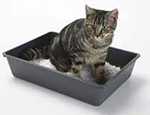
Pregnant women especially must avoid touching cat litter trays or contaminated soil, water or sand as this parasite can be transmitted to the unborn foetus and cause major defects including neurological disorders, blindness and deafness and in rare cases death and still birth.
Another way of catching this infection is touching or eating raw or undercooked lamb, pork, venison or kangaroo meat. The parasites can be stored in small pockets (oocysts) in the muscle tissue of these meats. Cooking well will kill the parasites.

Vegetables grown in contaminated soil can carrying the parasite and be ingested by humans. Vegetables should be washed thoroughly to remove any soil particles before consumption.
It can also get into the body from breathing in contaminated dust.
Up to 50% of the human population is infected with toxoplasmosis but most show no signs or symptoms until the immune system is lowered. Hispanic and dark-skinned people are more prone to infection by toxoplasmosis than fair skinned individuals.
Toxoplasmosis in humans
The only evidence of infection is detection of antibodies in the blood against the toxoplasmosis parasite. However, in HIV/AIDS patients who are not producing antibodies this test is unreliable. The risk of toxoplasmosis infection is highest when the CD4 cell (T-cell) counts are below 100.
The parasite forms egg-like, thick-walled protective structures called oocysts which cannot be penetrated by conventional medicines and will remain in the human body for life. These parasites must be ingested by mouth so are not usually transferred from person to person. They can survive in water, soil or sand in wet or very dry conditions for around 18 months.
NOTE: Young children who play in sandpits and gardens may be at risk if they come into contact with infected cat faeces.
Drinking contaminated unpasteurised milk can also cause infection with toxoplasmosis parasites.
It is estimated that a very large proportion of the human population has contracted toxoplasmosis in their lifetimes but are show no symptoms as the immune system keeps the parasites in check within the oocysts.
Under normal circumstances, the immune system will easily destroy any parasites that escape these oocysts, but a person with lowered immunity such as organ transplant patients, malnourished people, those undergoing chemotherapy and those suffering with HIV/AIDS, may not be able to fend off an attack.
The parasites can greatly increase in number then travel and infect other parts of the body such as the eye, brain, heart and lungs and cause a variety of serious illnesses.
Studies have also shown behavioural changes in humans infected by toxoplasmosis, including slower reaction times and a sixfold increased risk of traffic accidents, irritability, depression, self-harm and suicidal tendencies as well as links to schizophrenia including hallucinations and reckless behaviour.
It is thought that toxoplasmosis directly affects the production of mood-regulating neurotransmitters, and it triggers inflammation, which in turn might change the chemical balance in the brain. This is probably because, as with the mouse or rat that becomes reckless and attracted to cat’s urine (so that it will be easily caught and eaten by the cat), the parasite may influence the human in the same way so it will become easy prey to other predators in order for the parasite to complete its life cycle.
Toxoplasma gondii life cycle
Toxoplasma has a complicated life cycle and is an organism capable of infecting many mammals and birds, but only in the cat is the full life cycle of the parasite able to be completed. Initially the cat may get infected from capturing and eating an infected mouse or bird.
The meat of the infected animal has pockets of a special form of Toxoplasma called bradyzoites, which are released from the meat into the cat’s small intestine soon after ingestion.
The parasite grows and multiplies within the cells lining the cat’s intestine. This phase of the life cycle is called the intestinal phase and eventually results in the formation of oocysts. These are released by large numbers into the cat’s faeces but are not infectious at first.
After a day or so in the environment they mature or sporulate into infectious oocysts, which then are not only resistant to chemicals and drying, but also can infect whatever mammal happens to eat them. They can persist in the environment for months and be carried about by rain, wind, earthworms, and insects.
They may eventually end up on produce or on pastures where different grazing animals may ingest them as they graze. They might also get into irrigation water to be used to water produce which may be for human consumption.
The other life cycle phase is the extra-intestinal, as it involves the parasite leaving the intestine (as the motile form called tachyzoites) and entering other cells within different organs in the body. The parasite forms a special cyst called the zoitocyst within the animal’s muscle, brain, lymph node or other tissue.
Within these cysts the bradyzoites can persist for many years, often without harming the host, as long as the host has a healthy immune system. It is also this extra-intestinal phase that is so harmful to the human foetus, as the motile form of the parasite may cross the placenta to infect the foetus. This may result in spontaneous abortion or either a stillborn or physically and/or mentally handicapped child.
The cat may have either of these life phases present or both, shedding oocysts while also having zoitocysts within its tissues. All other infected animals (including humans) only have the extra-intestinal phase present.
The disease operates in two stages, a proliferative stage and a latent stage. During the proliferative stage the infection can be treated, although there are many side effect problems with available medicines. Then it progresses to a latent stage, where the oocysts form that hold the parasites in a less active state.
These oocysts are untreatable as scientists can’t get medication inside the cyst. The oocysts eventually rupture and release proliferating parasites, which can cause a recurrence of the illness if the immune system is weakened and in those with eye disease. Such recurrences can cause severe damage to the eye and nervous system.
Toxoplasmosis symptoms and signs
- Disorientation.
- Fever.
- Generally feeling unwell.
- Headache.
- Inflammation of the brain (encephalitis).
- Inflammation of the eye, for example, macular oedema on the retina (at the back of the eye).
- Inflammation of the heart muscle.
- Inflammation of the lungs.
- Muscle aches and pains.
- Nausea.
- Nerve damage.
- Paranoia and schizophrenia.
- Personality changes.
- Poor coordination.
- Seizures.
- Swollen lymph glands, especially around the neck.
- Tiredness and disturbed sleep patterns.
- Tremors.
Effects of toxoplasmosis on the unborn baby
If a woman contracts toxoplasmosis for the first time while pregnant, the parasites may affect the baby through the placenta. Effects of toxoplasmosis on unborn babies can include:
- Abnormal head size.
- Cerebral calcification (hardening of brain tissue).
- Convulsions.
- Foetal death (in rare cases).
- Hearing problems.
- Jaundice.
- Liver damage.
- Low birth weight.
- Mental retardation and learning difficulties.
- Nervous system damage.
- Premature birth.
- Retinal eye problems and blindness.
- Skin rashes.
- Water on the brain (hydrocephalus) or brain damage.
Toxoplasmosis prevention and precautions
- Avoid all cured meat products.
- Avoid contact with cats faeces contaminated soil.
- Change cat litter trays daily wearing rubber gloves and wash hands thoroughly afterwards or ask someone else to do it nd avoid breathing in cat litter dust.
- Cook ALL meat thoroughly until the juices run clear.
- Do not eat rare or medium-rare meat dishes.
- Freezing can kill the oocysts of toxoplasmosis.
- Immediately wash cutting boards, knives and any other implements after use that have come into contact with raw meat.
- Wash vegetables to remove any traces of soil.
- Wash hands after handling raw meat.
- Wash hands thoroughly before eating.
- Wear gloves and eye protection while gardening. Pulling up weeds can flick contaminated soil into the eyes.
Conventional drug treatment for toxoplasmosis
The Toxoplasma gondii parasites needs the vitamin B complex to live. Pyrimethamine stops toxoplasma from getting any and sulfadiazine prevents the parasites from using it. The normal dosage of these drugs is 50 to 75 mg of pyrimethamine with two to four grams per day of sulfadiazine.
This combination of drugs is very effective against toxoplasmosis. Over 80% of people show improvement within two to three weeks but it usually returns after the first episode if the immune system is not boosted enough to produce antibodies against it.
Unfortunately, because these drugs both interfere with the vitamin B complex levels in the body, they can cause anaemia. People with toxoplasmosis usually take leucovorin, a form of vitamin B9 (folate) to prevent anaemia. Natural foods that provide vitamin B9 can also help.
Highest sources of vitamin B9 in micrograms per 100 grams
- Yeast extract 3786 µg
- Brewer’s yeast 2340 µg
- Chicken livers 578 µg
- Basil 310 µg
- Wheat germ 281 µg
- Sunflower seeds 238 µg
- Soya beans 205 µg
- Spinach 194 µg
- Lentils 181 µg
- Chickpeas, pinto beans 172 µg
- Shiitake mushrooms 163 µg
- Parsley 152 µg
- Black beans 149 µg
- Peanuts 145 µg
- Navy beans 140 µg
- Asparagus 135 µg
- Turnip greens 118 µg
- Chestnuts 110 µg
- Beetroot 109 µg
- Spearmint 105 µg
- Chlorella and spirulina 94 µg
- Fish roe 92 µg
- Hazelnuts 88 µg
- Walnuts 88 µg
- Flaxseeds 87 µg
- Avocado 81 µg
- Mussels 76 µg
- Kidney beans 74 µg
- Peas 65 µg
- Broccoli 63 µg
- Brussel sprouts, okra 60 µg
- Quinoa 42 µg
- Papaya 38 µg
Nature cures remedies to treat toxoplasmosis
Toxoplasma infections are especially difficult to treat because they recur and are never eliminated from the system. Natural remedies that can help fight off this parasite are essential plant oils listed below and a healthy nutritious diet of root and leafy vegetables, fruits, seeds, herbs, spices and oily fish as well as probiotic foods plus whey, cottage cheese, eggs and fish oils.
- Coconut oil
- Croton cajucara oil
- Garlic oil
- Goldenseal
- Horsetail oil extracted from the root
- Oregon grape root
- Oregano oil
- Radishes especially daikon
- Restharrow oil extracted from the roots
Nature cures tips to boost the immune system
Only buy organic non-refined or processed produce to gain the correct nutrients and avoid toxins from artificial food additives and agricultural pesticides which can further burden the immune system.
What to avoid
- Food additives see>> E number dangers
- Pesticides
- Processed and refined foods
- Refined salt. Use seaweed or Himalayan salt crystals, instead of refined table salt which has had all nutritious elements stripped out. Sea salt is now found to contain microplastics. Many foods already contain sodium so use sparingly. Too much sodium has many adverse side effects which can lead to serious illness.
- Sugar. Use honey, parsnips, figs, dates, raisins or fruit to sweeten instead. See>> Sugar dangers
Cut meat consumption down to two or three times a week and consume more organ meats. Avoid processed meat products such as sausages, bacon, ham, paté and meat pies and reconstituted meat. Protein can be obtained from cottage cheese, eggs, fish, legumes, nuts or seeds on meat free days.
How to improve the immune system
Oily fish should be consumed at least three times a week. The following are good to consume with oily fish as they can chelate to and remove the heavy metals such as mercury that fish may be contaminated with.
Beans and pulses especially soybeans, lentils and peas should be consumed at least once a week. Make sure the soya beans are not genetically modified (GMO).
Consume the following daily when any infections are present:
- Aloe vera juice (take one teaspoon to one tablespoon of the gel from a leaf daily. Increase gradually as it may cause loose stools at first)
- Apple cider vinegar (consume one tablespoon per day before eating or drinking anything. Add lemon or honey)
- Black pepper added to as many meals, sandwiches, snacks and drinks as possible.
- Chilli peppers (fresh or powdered).
- Coconut (water, oil and flesh).
- Fruit: Eat organic fresh grapes (including seeds if possible) a tangerine, berries, an apple and/or two apricots every day.
- Garlic (four cloves per day).
- Ginger
- Honey
- Lemon juice (the freshly squeezed juice and zest of one half lemon per day. Add to drinks, meals, fish, fruit, meals, salads and teas).
- Paprika
- Pineapple
- Psyllium husks in water, juice or soup once a day. Makes sure to drink a full glass of water with one tablespoon of psyllium husks.
- Radishes (especially daikon).
- Himalayan pink crystals (unrefined).
- Turmeric (one teaspoon per day).
Yoghurt with live cultures should be consumed every day, use as cream, as a dressing and in sauces and soups. Other probiotic foods to consume to promote the good bacteria balance in the intestines and avoid infections are:
See>> Feed your friendly bacteria
Try to consume at least one root vegetable and one green leafy vegetable, one red, one yellow/orange, one white and one blue, purple or black fruit or vegetable fresh, lightly steamed or in smoothies every day. See why and how>> Colour codes of nature
Clean the teeth with natural toothpastes (fluoride free) after every meal and before bed and alternate with bicarbonate of soda mixed with a little coconut oil and/or fresh aloe vera gel, from the leaf of a plant, which will kill bacteria in the mouth and also help to balance the PH of the body which will assist the immune system.
Nutrients required to help boost the immune system
Allicin: After chopping garlic cloves or onions, always leave them to stand for ten minutes to allow the chemical process to take place that produces the powerful antibiotic and antioxidant substance known as allicin.
Berberine: The following contain berberine which can successfully treat toxoplasmosis.
- Amur cork tree
- Chinese goldthread
- Goldenseal root
- Huang lian
- Oregon grape root
- Tree turmeric
- Uva ursi
Carotenoids: When eating tomatoes and other foods containing fat soluble carotenoids, always have them with some fatty foods such as avocado, olive oil, fish oil, nuts (almonds, pine nuts and walnuts are a good choice) or seed oils.
Vitamin D is essential for many body processes especially concerning the immune system and the bones yet 80% of the populations of northern hemisphere countries such as the UK, Europe, Canada, North America and Russia etc. are deficient. Lack of sunshine during the winter, sunscreens, covering the skin and indoor workplaces are common reasons why.
A daily 15-minute dose of midday sunshine on bare skin (without sunscreen and not through a window) can provide the body with all it needs. During the winter, (from October to April, the sun is too weak to provide the rays required for the skin to make vitamin D therefore the extra consumption of foods rich in vitamin D are necessary as the body only stores enough vitamin D for between 30 and 60 days.
December is a good time to get a blood test to check vitamin D levels, and, if levels are low, a vitamin D3 supplement should be taken along with vitamin K2 and some oil or fat as vitamin D is fat-soluble so will not be absorbed without fat.
Highest sources of vitamin D per serving listed
- Krill oil – 1 teaspoon: 1000 IU
- Eel – 85 g or 3 oz: 792 IU
- Maitake mushrooms – 70 g: 786 IU
- Rainbow trout – 85 g or 3 oz: 540 IU
- Cod liver oil – 1 teaspoon: 440 IU
- Mackerel – 85 g or 3 oz: 400 IU
- Salmon – 85 g or 3 oz: 400 IU
- Halibut – 85 g or 3 oz: 196 IU
- Tuna – 85 g or 3 oz: 228 IU
- Sardines – 85 g or 3 oz: 164 IU
- Chanterelle mushrooms – 85 g or 3 oz: 155 IU
- Raw milk – 1 glass or 8 oz: 98 IU
- Egg yolk – 1 large: 41 IU
- Caviar – 28g or 1 oz: 33 IU
- Hemp seeds – 100 g or 3.5 oz: 22 IU
- Portobella mushrooms – 85 g or 3 oz: 6 IU
NOTE: One IU is the biological equivalent of 0.3 μg or 0.3 micrograms.
Related subjects
- A-Z of ailments
- A-Z of hazards to health
- Bacterial infections and natural antibiotics
- Brine pickling for health
- Feed your friendly bacteria
- Fungal and yeast infections
- Immune system disorders
- Microbes and the human body
- Mosquito-borne infections
- Parasites
- Sprouting greens
- Virus infections

Join our mailing list to receive your monthly emailed newsletter with all the latest scientific findings for natural health remedies.