
Also known as Rheum rhabarbarum
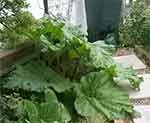
Human consumption of rhubarb dates back to 2700 BC where it was grown and used in China for medicinal purposes. It is a popular food crop for gardeners as it requires little care once established, provides a great display of huge leaves and colourful stalks and returns year after year.
Rhubarb is low in sodium and saturated fat which makes it a very good food to help prevent heart related diseases. It is an excellent source of vitamin C, high in vitamin K, dietary fibre and a good source of calcium.
Health benefits of rhubarb
- Protects against diabetes
- Boosts the immune system
- Fights infections
- Boosts healthy cell growth
- Strengthens the bones and teeth
- Lowers LDL cholesterol
- Maintains a healthy and regular digestive system
- Dissolves mucus adhering to the walls of the colon
Rhubarb protects the intestinal wall through the increased secretion of gastrointestinal hormones while providing normal contraction of the muscles that mix the contents of gastrointestinal tract.
It has powerful purgative properties, which are useful to provide ease with bowel movements that helps to reduce strain and, in turn, can help ease the pain of haemorrhoids (piles) or tears in the skin lining of the anal canal, known as anal fissures.
Being a rich source of vitamin K, it is also useful for bone metabolism and protection against osteoporosis. Vitamin K is required for osteocalcin to occur. This is when the metabolically active tissue of the bone undergoes continuous remodelling by the process of bone formation and bone resorption. These processes rely heavily on the performance of osteoclasts (resorption), osteoblasts (formation) and osteocytes (maintenance).
Under normal conditions, bone resorption and formation work in tandem to make sure that the amount of bone removed is equal to the amount of bone that is newly formed. Vitamin K1 is turned into vitamin K2 by the bacteria that reside in the guts and helps to transport calcium to the bones as well.
When someone suffers from oxidative stress caused by numerous of disorders, including Alzheimer’s disease, amyotrophic lateral sclerosis or a stroke, the brain undergoes a great deal of trauma. This stress can lead to the formation of free radicals, which can cause neuronal apoptosis and the development of some types of chronic brain disease.
The neuronal damage caused by radiation treatment causes inflammation in the brain and rhubarb can help to counteract this.
Rhubarb is also a good source of lutein, a compound that will care for the skin and eyes. To benefit from these nutrients rhubarb is best cooked until soft.
Red fruits and vegetables contain several beneficial antioxidants, such as lycopene and anthocyanins. These compounds help promote the health of heart, eyes and immune system, as well as help prevent cancer. Cooked rhubarb, like cooked tomatoes, supplies a good dose of lycopene, but raw rhubarb supplies none.
Rhubarb contains a potent antimicrobial called rhein that is effective against the bacteria Bacillus megaterium, Escherichia coli, Salmonella enterica serovar Typhi and Staphylococcus aureus.
Rhubarb is also useful to help expel parasites, eggs and larvae. It is not addictive like other colon movement stimulants and is very powerful even in a low dosage.
Nutrients in 340 grams (12 ounces) of rhubarb
- 26 calories
- 1.1 grams protein
- 5.5 grams carbohydrates
- 0.2 grams fat
- 2.2 grams fibre
- 35.7 micrograms vitamin K
- 9.8 milligrams vitamin C
- 0.2 milligram manganese
- 105 milligrams calcium
- 351 milligrams potassium
- 14.6 milligrams magnesium
The stems are usually used but the unopened flowers are also edible and considered a delicacy in northern Asia. Harvesting should not take place in the first year and it can take two or three years to yield a good harvest. When harvesting, the stalks are carefully pulled or cut from the plant, and the poisonous leaves are removed immediately. The stalks can be kept for about three weeks in the refrigerator, unwashed and sealed in an airtight bag.
WARNING: The roots and leaves of rhubarb are poisonous due to the oxalic acid content that is toxic to the kidneys, but the stalks and flowers do not contain this.
Individuals who are pregnant or have kidney disease or liver problems, should consult a doctor before taking rhubarb extracts medically. There have been concerns with the combination of medicinal rhubarb and some medications as well.
Healthy rhubarb recipes
Although rhubarb is very tart there are many ways to consume it that does not include any sugar.
Rhubarb and cucumber salsa
Ingredients
- Six medium stalks of rhubarb
- Half a cucumber
- Ten shallots (peeled and chopped)
- Handful of fresh coriander (chopped)
- One tablespoon of honey
- Lime juice (freshly squeezed)
- One tablespoon of olive oil (extra virgin cold-pressed)
- Peppercorns (ground)
- Himalayan pink salt crystals or unrefined sea salt (ground)
Method
- Slice the rhubarb and shallots in a pan with a little water and heat gently until rhubarb is soft.
- Allow to cool before adding all the other ingredients and mixing together.
- Store in the refrigerator until ready to serve.
- Makes a good addition to pour over chicken breasts or salmon fillets or add some green leaves and tomatoes for a healthy salad dish. Can be spiced up with chilli peppers also.
Spicy carrot, celery and rhubarb soup
Ingredients
- Six medium stalks of rhubarb
- Four medium sized carrots
- Two stalks of celery
- Teaspoon of cloves
- A small handful of peppercorns
- One pint (568 ml) of stock
- Half a teaspoon of ginger powder
- Half a teaspoon of turmeric powder
- Chilli powder (to taste)
Method
- Roast the carrots, celery, rhubarb, black peppercorns and cloves.
- Then purée to a smooth consistency in a blender.
- Add the ginger, turmeric, stock and chilli powder and stir well for a healthy and delicious soup that is very simple to make.
Honey roasted rhubarb and prawn salad
Using honey roasted rhubarb in a salad makes a delicious and nutritious alternative and any desired amounts of the ingredients can be used. If the honey is sourced locally, it has the additional benefit of helping to ease hay fever for those with pollen allergies.
The prawns can be replaced with any other seafood or goat’s cheese and other salad ingredients may be added as desired. Try to use organic ingredients as much as is possible.
Ingredients
- A few rhubarb stalks (sliced)
- One tablespoon raw honey
- Radishes (halved)
- Spring onions (chopped)
- Carrots (grated)
- Beetroot (cubed)
- Watercress (chopped)
- Cashew nuts
- Sunflower seeds
- Pumpkin seeds
- Raisins
- Lemon (freshly squeezed plus the grated zest of half the lemon)
- One tablespoon of organic apple cider vinegar
- Peppercorns (ground)
- Himalayan pink crystals or unrefined sea salt (ground)
- Half a teaspoon turmeric
- A small handful of freshly chopped coriander
Method
- Preheat the oven to 350° F (177°C, Gas mark 4) with a rack positioned in the middle of the oven.
- Place greaseproof paper on a baking sheet tray.
- Placed the sliced rhubarb on the baking tray and drizzle with the honey.
- Roast for about 30 minutes until rhubarb is soft but do not allow to burn.
- Add all the other salads ingredients to a bowl and toss well.
- When the rhubarb is cooked, and allowed to cool, stir into the salad.
- Refrigerate covered until ready to serve.
Asian spicy kale and rhubarb noodles
This take on a popular Asian spicy noodle dish is enhanced by adding mineral-rich spirulina and lycopene-rich tinned tomatoes for a very healthy nutritious lunch or snack.
Ingredients
- Noodles of choice
- A few leaves of kale (chopped)
- A teaspoon of spirulina powder
- A few stalks of rhubarb (sliced)
- One large, sweet potato (diced)
- One tablespoon of sultanas
- 285 ml (half a pint) of stock
- One onion chopped
- A punnet of mushrooms halved
- One fresh chilli pepper (chopped) or half a teaspoon of chilli powder (more if desired for a hotter sauce)
- Half a teaspoon of turmeric
- A tin of chopped tomatoes
- A small handful of freshly chopped basil leaves
- A tablespoon of coconut oil.
- Peppercorns (ground)
- Himalayan pink crystals or unrefined sea salt (ground)
- Grated parmesan or crumbled blue cheese (optional)
Method
- Place the coconut oil in a large pan and add the onions and mushrooms. Cook until soft.
- Add the chilli, turmeric, salt and pepper and stir for five minutes.
- Then add the tinned tomatoes, sweet potatoes, rhubarb and sultanas and simmer until the sultanas have become plump and the rhubarb and sweet potatoes are soft.
- Place the kale in a small pan with a little water and simmer gently for 10 minutes until soft.
- Place the noodles in a pan of water and cook according to instructions. When cooked drain the noodles and place in a large bowl,
- Stir in the chilli, rhubarb and tomato sauce and the chopped basil.
- Place the strained kale into a bowl and stir in the spirulina and serve separately.
- Grated parmesan or blue cheese can be sprinkled on this meal if desired.
Rhubarb, sultana and banana bread
Ingredients
- One large finely chopped rhubarb stalk
- 2 medium sized mashed (ripe) bananas
- 85 grams (3 oz) of sultanas
- 2 eggs
- 228 grams (8 oz or about 1½ cups) coconut or rice flour
- 1 teaspoon baking powder
- ½ teaspoon bicarbonate of soda
- ½ teaspoon Himalayan pink crystals or unrefined sea salt
- 1 teaspoon cinnamon
- ½ teaspoon nutmeg
- 1 teaspoon vanilla essence (optional)
Method
- Preheat the oven to 350° F (177°C, Gas mark 4) with a rack positioned in the middle of the oven.
- Prepare an 8” x 4″ loaf pan with a natural cooking spray or grease with some butter, coconut or vegetable oil.
- Whisk all dry ingredients in a medium bowl and set aside.
- Use a mixer to beat the eggs on medium speed for about 30 seconds.
- Mix in vanilla and banana until combined.
- Slowly add in the flour mixture and mix on low speed until just combined. Gently fold in rhubarb and sultanas.
- Pour batter into prepared loaf pan.
- Bake for 50-55 minutes or until loaf is golden and a toothpick comes out clean.
- Cool the bread in the pan for 10 minutes.
- Loosen sides with a knife and remove from the pan.
Related subjects
- A-Z of foods and natural remedies
- Anthocyanins
- Bacterial infections and natural antibiotics
- Bone and joint disorders
- Brain and mental health disorders
- Cancer
- Eye disorders
- Excretory system disorders (Haemorrhoids, anal fissures)
- Heart disorders
- Immune system disorders
- Intestinal disorders
- Lutein (nutrient)
- Lycopene (nutrient)
- Parasites
- Radiation poisoning
- Skin disorders
- Strokes

Join our mailing list to receive your monthly emailed newsletter with all the latest scientific findings for natural health remedies.