
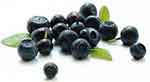
Nearly one thousand anthocyanins and more than 15 anthocyanidins exist in the vegetable kingdom, although the greater part of them occurs rarely. Anthocyanins bioflavonoids are derived from anthocyanidins by adding sugars. The term anthocyanin was initially coined to indicate the substance responsible for the colour of cornflowers and derives from the Greek term anthos ‘flower’ and kuanos ‘blue’. Anthocyanin refers to a group of water-soluble polyphenols that have colour pigments responsible for black, blue, lilac, mauve, pink, purple, red or violet colour of most flowers, fruits and vegetables.
Anthocyanins are a water-soluble pigment, and the colour will depend on the pH of the solution. They are red when pH is below three, blue at pH higher than eleven and violet at neutral pH.
Bioflavonoids are produced by plants for self-protection against, sun, irradiation, diseases and biological enemies. With the harsh cold weather in central and southern Chile, and with high solar radiation in Chile, these factors guaranteed high anthocyanins in the fruits and berries that grow in that region.
Some of the most colourful foods contain these bioflavonoids which are most widely known for their powerful antioxidant properties and healing power inside the body They can help to slow down age-related motor changes, such as those seen in Alzheimer’s or Parkinson’s disease and prevent the oxidisation of certain compounds and fight attacks on the body from harmful chemicals.
Any illness that ends with “itis” is an inflammatory disease. Anthocyanins exhibit powerful anti-inflammatory activity, and do it as well as drugs for the same purposes, without negative side effects.
The health benefits of anthocyanins include anti-carcinogen qualities, better heart health and a range of other health benefits. They increase vitamin C levels within cells, decrease the breakage of small blood vessels, protect against free-radical damage and help prevent destruction of collagen, the tissues under the skin. They do this by helping the collagen fibres to link together in a way that strengthens the connective tissue matrix.
They also reduce blood glucose levels and improves insulin sensitivity due to the reduction of retinol binding protein 4 so are useful in preventing diabetes and can help with treating obesity.
There are four types of ischemia
- Myocardial ischemia (heart muscle).
- Mesenteric ischemia (digestive system).
- Peripheral or limb ischemia (arm or leg).
- Ischemic stroke (brain).
Myocardial ischemia means there is a reduced blood supply and oxygen to the heart muscle, usually due to atherosclerosis of the coronary arteries. Its risk increases with age, diabetes, high blood pressure, high LDL cholesterol levels and smoking.
When blood supply restores, after a period of ischemia reperfusion, injury to the tissues and nerves can occur. Bioflavonoids such as anthocyanins reduce oxidative damage to organ cells during reperfusion.
Types of anthocyanins
- Apigeninidin
- Aurantinidin
- Capensinidin
- Cyanidin
- Delphinidin
- Europinidin
- Hirsutidin
- Indigotin
- Indirubin
- Luteolinidin
- Malvidin
- Pelargonidin
- Peonidin
- Petunidin
- Pulchellidin
- Rosinidin
- Tricetinidin
Malvidin, in conjunction with chlorogenic acid and pelargonidin chloride, is a critical co-factor in the anti-proliferation of colon cancer and liver cancer cells, but without the other two co-factors the process will not take place. Malvidin is cytotoxic to human leukaemia cells by stopping the cancer cell cycle and inducing apoptosis (cell death).
Indirubin is an indole alkaloid that can be used to treat various diseases including granulocytic leukaemia, cancer, Alzheimer’s disease and other inflammatory diseases.
Anthocyanins can provide the following positive effects:
- Improves eyesight
- Maintains small blood vessel integrity by stabilising capillary walls and increases capillary permeability.
- Neutralises enzymes that destroy connective tissue, prevents oxidants from damaging connective tissue, and repair damaged proteins in the blood-vessel walls.
- Promotes cardiovascular health by preventing oxidation of low-density lipoproteins (LDL) and protecting blood vessels walls from oxidative damage.
- Reduces allergic reactions.
- Supports healthy blood sugar levels.
NOTE: To protect against and treat the conditions mentioned above, one portion of the red or black fruits and/or vegetables (including the skins) listed below should be consumed every day.
Highest sources of anthocyanins in alphabetical order
- Acai berry
- Apples (red)
- Aubergine
- Beans (black and red)
- Beetroot
- Bilberries
- Blackberries
- Black currants
- Black rice
- Blueberries
- Broccoli tops (purple)
- Cabbage (red)
- Cherries
- Chokeberries
- Cranberries
- Elderberries
- Grapefruit (pink)
- Grapes (red and black)
- Kidney beans
NOTE: Anthocyanins are mostly concentrated in the skins of fruits and vegetables.
Related subjects
- A-Z of nutrients
- Allergies
- Alzheimers disease
- Brain and mental health disorders
- Cancer
- Colour codes of nature
- Diabetes
- Eye disorders
- Flavonoids
- Heart disorders
- Nerve disorders
- Obesity
- Parkinson’s disease
- Skin disorders
- Strokes

Join our mailing list to receive your monthly emailed newsletter with all the latest scientific findings for natural health remedies.