
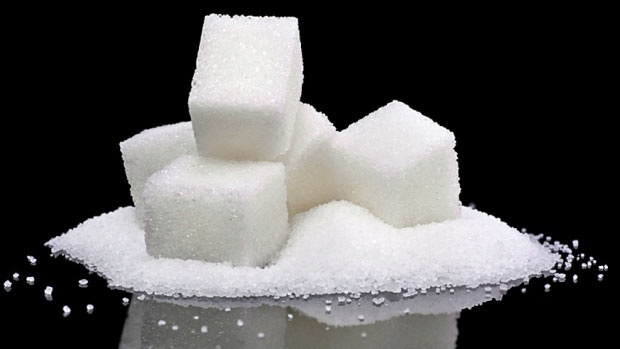
Sucrose, also known as disaccharides or table sugar, is commoinly obtained from sugar cane or sugar beets. Sucrase is a group of several enzymes that help to break down sucrose into the usable forms of fructose and glucose in the human body. It is produced by the epithelium of the small intestines.
Like fructose, glucose and maltose, sucrose triggers the release of cytokines in the body, which are inflammatory messengers, and this can lead to the increase of joint pain.
Deficiency of sucrase
A deficiency of sucrase can cause digestive irritation and food sensitivities known as Fodmaps (carbohydrates) intolerance.
Excess sucrose
Over consumption of sucrose can have many adverse side effects such as diabetes, obesity, tooth decay and an increase in bacterial, yeast and viral infections.
Excess sucrose is transformed into fat by the liver and then stored in and around the liver and nearby organs (visceral fat) and under the skin. When the liver cannot store any more fat, it can become impaired and lead to a condition known as non-alcoholic fatty liver disease.
Sucrose is found naturally in many food plants along with the monosaccharide fructose.
NOTE: People with diabetes type 2 should limit their consumption of foods high in sucrose.
Natural sources of sucrose
- Apples
- Apricots (dried)
- Bananas
- Beetroot
- Black beans
- Butter beans
- Carrots
- Cherries
- Chickpeas
- Dates
- Figs
- Grapes
- Mango
- Maple syrup
- Parsnips
- Peaches
- Pears
- Peas
- Persimmons
- Pineapple
- Potatoes
- Plums
- Raisins
- Sugar beets
- Sultanas
- Sweet potatoes
- Sweet corn
- Watermelon
See also>> Sugar dangers
Related subjects
- A-Z of nutrients
- Anti-microbial healing plants and foods
- Bacterial infections and natural antibiotics
- Bone and joint disorders
- Diabetes
- Fungal and yeast infections
- Liver disorders
- Obesity
- Teeth and gum disorders
- Virus infections

Join our mailing list to receive your monthly emailed newsletter with all the latest scientific findings for natural health remedies.