
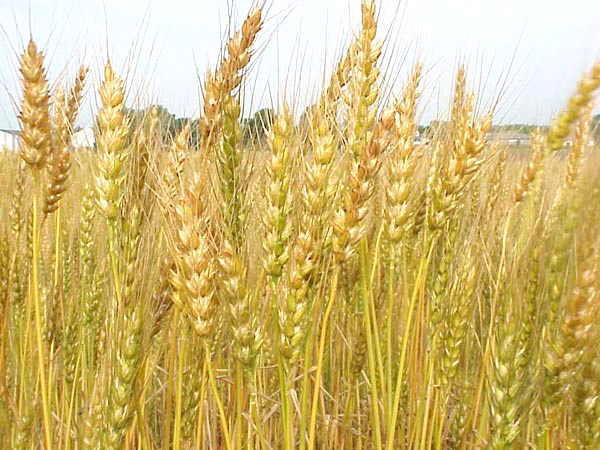
Whole grains are cereal grains that contain cereal germ, endosperm and bran, in contrast to refined grains, which retain only the endosperm and far less nutrients. Whole grains are an essential daily dietary requirement due to the fibre and nutritional content which allows absorption and manufacture of nutrients in the intestines by feeding the friendly bacteria in the gut.
Whole grains also aid digestion and expulsion of waste materials and help to lower LDL cholesterol levels. They are quite often lacking in the modern-day refined and processed foods which is likely the cause of many illnesses and diseases.
Types of whole grains
- Amaranth is not a grain but a seed and is high in fibre and nutrient rich, with a high concentration of lysine, an essential amino acid.
- Barley: Hulled barley has the outer edible husk removed but retains the bran. Pearl barley has the husk, and the bran removed. Barley flakes are made from lightly toasted pearled barley rolled into flakes. Barley contains gluten.
- Buckwheat is a distant cousin to rhubarb and is not related to wheat or other grains at all.
- Bulgur wheat partially cooked cracked wheat. It’s quick cooking and delicious in grain salads like tabouleh.
- Cracked wheat refers to wheat berries that have been cracked into small pieces.
- Durum wheat, also called pasta wheat or macaroni wheat, as it is made into pasta. It is rich in vitamins B1, B2, B3, B5, B6, and B9 as well as iron, copper, zinc, and antioxidants. It also contains a high amounts of dietary fibre.
- Farro belongs to the wheat family. It’s rich in fibre, magnesium, and vitamins A, B, C and E.
- Kamut an ancient Egyptian wheat which was recently rediscovered. Kamut is richer in protein than most whole grains.
- Millet is a mild, very digestible grain suitable for a wheat-free diet. It also has a good balance of essential amino acids
- Popcorn has a hard protein outer layer covering its inner starch layers.
- Quinoa is a small, dried seed (not a grain) containing high protein, fibre, magnesium, coenzyme Q10 and many other nutrients
- Oats are a good source of B vitamins and minerals, including calcium, phosphorus and iron. Steel cut oats are steamed and cut whole oat groats (hulled grains).
- Rice such as brown rice, wild rice, black rice and other coloured varieties. White rice has had the husk removed so is less nutritious.
- Rye is a high-protein, low-gluten grain and is more slowly digested than other grains.
- Spelt is an ancient type of wheat grain but has 30% more protein then modern-day wheat but also contains gluten.
- Sorghum is a gluten-free grain that is rich in fibre, protein, antioxidants, the B vitamins, iron, magnesium, phosphorus, potassium and zinc.
- Teff is an ancient grain which is a rich source of calcium, magnesium, boron, copper, phosphorus and zinc. Teff contains twice as much iron as wheat and barley. This grain can be used by celiacs (the gluten in teff does not contain the a-gliadin-fraction that causes a reaction in those with celiac disease)
- Vetch (Vicia sativa) is one of the first cultivated grains and is the staple food consumed daily by some indigenous tribes that still do not develop any cancers to this day. More research is needed to establish if it is the vetch or something else in their diet that may be protective against cancer.
- Wheat is a high protein grain but can cause irritation to the intestines and the gluten in wheat can cause problems for some people. See >> Allergies
Flour can be made from many other foods besides grains. Good choices are coconut flour, rice flour and flour made from legumes, nuts and seeds. Invest in an electric flour mill to experiment making your own nutritious flour without any unhealthy additives or processes often used to make shop bought flour.
NOTE: Barley, rye, spelt and wheat contain gluten which many are unaware they may be allergic too. See>> Gluten Intolerance
NOTE: Whole grains contain lectins which many also do not realise they cannot tolerate. See>> Lectin Intolerance
NOTE: Because all these grains (as well as legumes, nuts and seeds) contain high levels of phytic acid which inhibits absorption of minerals such as calcium, iron, magnesium and zinc it is important to soak, sprout or ferment them before consumption. For more information see>> Phytic acid
See also>> Sprouting greens
Related subjects
- A-Z of natural foods and remedies
- Feed your friendly bacteria
- Heart disorders (high LDL cholesterol)
- Intestinal disorders