
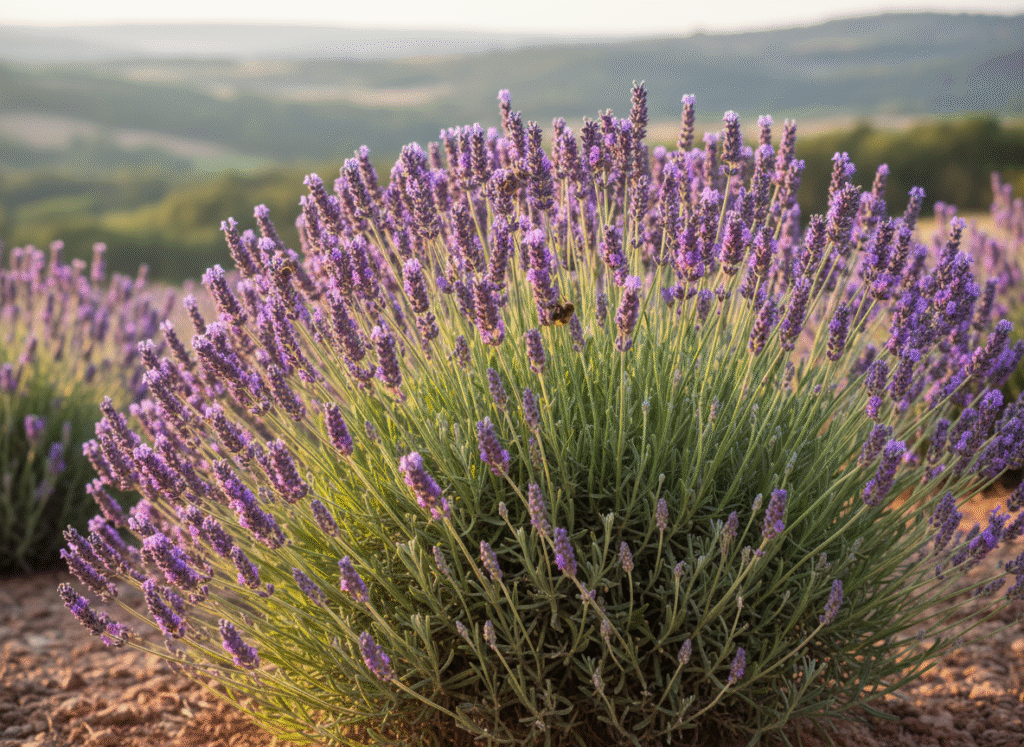
Linalool is an aromatic essential oil, known as a terpene, which is produced by over 200 plants and fruits to attract certain insects for pollination. It is also emitted by some plants when they are damaged by herbivores as a defence against attack.
Some plants, such as rice, emit linalool to attract parasitic wasps to kill the larvae which has attacked the plant.
Health benefits of linalool
Linalool protects cells and enhances the concentration of first-line defence of superoxide dismutase, and glutathione peroxidase (GSH-Px) and improves renal function.
Antimicrobial properties
Linalool has antifungal and antibacterial activity against infections including, Helicobacter pylori, Streptococcus, Staphylococcus aureus, E. coli, and Pseudomonas aeruginosa.
Anxiety and stress
The aroma of linalool in essential oils can slow down the heart rate and reduce stress and anxiety levels.
Protection against cancer
Linalool has anti-carcinogenic properties verified in scientific studies where it was able to kill cancer cells at an exceptionally low concentration. It is especially effective within adenocarcinoma cells, melanoma cells, and lymphoma cells.
Diabetes support
Linalool stimulates glucose utilisation, suppresses glucosidase and amylase activity making it ideal as a diabetic treatment.
Injuries and surgery
Linalool is a precursor in the formation of Vitamin E and is therefore a substance that can help with the healing of injuries and surgery.
Heart protection
Linalool decreases atherosclerotic index and enhances the cardio-protective index. It also helps reduce plasma cholesterol levels and lowers lipid levels.
Pain and inflammation
Linalool demonstrates strong anti-inflammatory and antinociceptive (blocks pain activity). A few drops of the essential oil containing linalool can also be diluted with water and applied topically or added to a warm bath for this purpose.
How to use linalool
Linalool can be utilised through aromatherapy by diffusing essential oils containing it or inhaling them. It can also be consumed by eating foods and drinking beverages that contain the natural food sources of it. Externally, it can be applied to the skin in diluted forms or added to warm baths. Consuming concentrated forms of linalool should be done with caution and professional guidance.
Natural sources of linalool in alphabetical order
- Basil
- Bay leaves
- Camellia
- Cinnamon
- Citrus fruits
- Coriander
- Grape seeds
- Guava
- Laurel
- Lavender
- Marjoram
- Mint
- Oregano
- Passionfruit
- Peaches
- Peppermint
- Pineapple
- Plums
- Rice
- Rosemary
- Rosewood
- Spearmint
- Thyme
NOTE: Lavender is the highest source of linalool.
Related subjects
- A-Z of nutrients
- Brain and mental health disorders
- Bacterial infections and natural antibiotics
- Cancer
- Diabetes
- Fungal and yeast infections
- Heart disorders (high LDL cholesterol)
- Pain and inflammation
- Urinary system disorders

Join our mailing list to receive your monthly emailed newsletter with all the latest scientific findings for natural health remedies.