
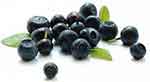
Also known as Euterpe oleracea, acai palm, cabbage palm
The sudden acai berry juice demand is the result of many expensive marketing campaigns by certain companies making false claims about this ‘newly discovered mysterious super fruit’ of the Amazon which ‘can increase weight loss, energy and lower cholesterol’. It has no real special health benefits compared to other fruit juices but is netting billions in sales through network marketing companies and direct retail sales.
Acai berries are simply a staple food for many economically disadvantaged inhabitants of the lower Amazon region area. The acai-manioc porridge is quite poor in nutrition but is very filling with a large amount of starch and sugar. Acai berry juice is neither very nutritious nor low in calories compared to most other fruit juices and there is no proof that it can reduce either weight or bad cholesterol. Acai berries provide around 200 calories per 100 grams depending upon the preparation method.
Significant nutrients in acai berries
- Starch
- Protein (1-4%)
- Fats (7-11%)
- Sugar (25%)
- Calcium
- Iron
- Phosphorous
- Sulphur
- Vitamin B1 (thiamine)
- Vitamin A (retinol)
- Vitamin E
Medicinal uses
In Brazilian herbal medicine, the oil of acai is used to treat diarrhoea and the grated fruit rind as a topical wash for skin ulcers. In the Peruvian Amazon, the toasted crushed seeds are used for fever and the root is used for the following health disorders.
- Diabetes
- Hair loss
- Haemorrhages
- Hepatitis
- Jaundice
- Kidney disease
- Liver disorders
- Malaria
- Menstrual pain
- Muscle pain
See also

Join our mailing list to receive your monthly emailed newsletter with all the latest scientific findings for natural health remedies.