
Catechins are a type of antioxidant and polyphenol, found in many edible plants that studies have shown can help to prevent certain types of cancer. They also have properties that are antimicrobial, anti-inflammatory and anti-haemorrhagic (prevents bleeding from small blood vessels). Catechins have also been shown to help prevent the breakdown of collagen fibres and help with weight loss.
Catechins compose approximately 25% of the weight of dried tea leaves and are known as green tea phenols. Epigallocatechin known as epigallocatechin 3 gallate, is the ester of epigallocatechin and gallic acid, and is a type of catechin found in tea. It is the most powerful antioxidant known and has been proven to be extremely effective in fighting bladder, brain, cervical, oesophageal, oral, prostate and stomach cancers.
Epigallocatechin also reduces iron-accumulation in instances of neurodegenerative diseases like dementia, Alzheimer’s and Parkinson’s disease. It can also activate the body’s defence system against TNF alpha-proteins and TGF beta-proteins which are involved in systemic inflammation. This can help protect against some autoimmune diseases, including Sjögren’s syndrome. Sjögren’s syndrome is an autoimmune disorder that causes the body’s immune system to attack moisture-producing glands, primarily leading to dry eyes and a dry mouth. Epigallocatechin is also beneficial in the treatment of periapical periodontitis.
Epicatechin can elevate levels of nitric oxide in the blood, which helps relax the blood vessels and improves blood flow.
The health benefits of catechins are so striking that it may rival penicillin in terms of importance to public health and some scientists believe that catechin should be considered a vitamin.
Among the Kuna people of Panama, who can drink up to 40 cups of cocoa per week, rates of cancer, diabetes, heart disease and strokes are less than 10%. The Kuna also live longer than other Panama inhabitants and do not develop dementia or high blood pressure.
NOTE: Unfortunately, flavonoids, such as epicatechin, are removed by many commercial cocoa producers because they tend to have a bitter taste.
Highest sources of catechins in alphabetical order
- Apples
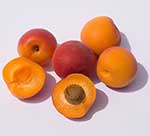
- Apricots
- Berries
- Cherries
- Chokeberries
- Cocoa beans
- Green tea
- Grapes
- Legumes
- Peaches
- Peanut skin
- Pears
- Persimmons fruit
- Pomegranates
- Strawberries
- Wine (red)
NOTE: Apricots are the richest source of catechins.
Related subjects
- A-Z of nutrients
- Bacterial and natural antibiotics
- Blood and vein disorders
- Cancer
- Dementia (Alzheimer’s disease)
- Diabetes
- Fungal and yeast infections
- Heart disorders
- High blood pressure
- Obesity
- Pain and inflammation
- Parkinson’s disease
- Teeth and gum disorders
- Strokes

Join our mailing list to receive your monthly emailed newsletter with all the latest scientific findings for natural health remedies.