
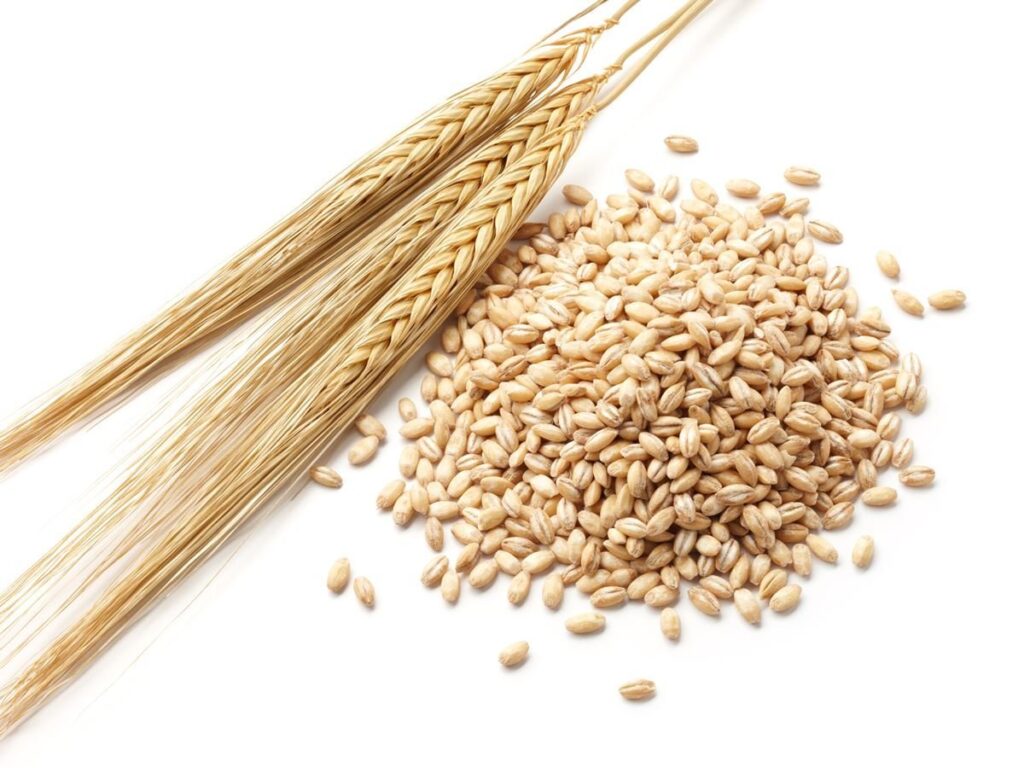
Avenacin is a mixture of four (A-1, B-1, A-2 and B-2) major auto fluorescent compounds that are accumulated in the roots of oats and barley especially root tips. These plant chemicals are produced to repel soil-borne microbial pests from the growing grains and also have an anti-fungal effect. This is why people often use barley straw in ponds to protect fish from fungal and bacterial overgrowth. The ability to synthesise avenacins has evolved since the divergence of barley and oats from other cereals and grasses.
The intestinal flora plays important roles in proper gut function and can contribute to or help prevent disease. Whole grains, including oats, contain important sources of nutrients for the intestinal flora and contribute to a healthy gut microbiome. In particular, oats provide complex lipids, fibre, non-starch polysaccharides, phenolics, resistant starch and unsaturated triacylglycerols, also known as triglycerides. The composition of these substances is unique in oats compared with other whole grains. Therefore, oats can have a unique beneficial effect on gut health relative to other grains.
Oats contain some unique phenolics including avenacosylates, avenacins and avenanthramides which have been shown to have a beneficial effect on the intestinal flora. The avenacins are pentacyclic triterpene alcohol glycosides containing esters of aminophenolic or benzoic acid.
Studies have found that there is a bifidogenic effect from the consumption of some whole-grain cereals such as barley and oats. Some strains of Bifidobacterium have been reported to be markers of a healthy intestinal flora. Other studies have shown increases in butyrate-producing bacteria, including Roseburia, Eubacterium rectale and the Clostridium leptum group including Faecalibacterium prausnitzii.
Anyone who has colon or digestive issues, high cholesterol or poor circulation should add oats to their diet.
See>> Feed your freindly bacteria
Natural sources of avenacin
- Barley
- Oats
NOTE: Coeliac (celiac) disease is often associated with the ingestion of wheat, or more specifically, a group of proteins called prolamins, including gluten. Oats lack many of the prolamins found in wheat but do contain avenin which can be toxic to the intestinal mucosa of avenin-sensitive individuals and can trigger a reaction in those with coeliac disease.
Related subjects
- A-Z of nutrients
- Excretory system disorders (colon (bowel) disorders
- Feed your freindly bacteria
- Heart disorders (atherosclerosis, high LDL cholesterol)
- Intestinal disorders
- Strokes

Join our mailing list to receive your monthly emailed newsletter with all the latest scientific findings for natural health remedies.