
Triterpenoid and steroidal glycosides, collectively referred to as saponins, are bioactive compounds present naturally in many plants. Interest in saponins has emerged due to increased knowledge of their diverse properties as natural detergents and foaming agents.
Saponins, like flavonoids, tannins, and terpenes, are defensive secondary metabolites that allow plants like cacti, to cope with the environmental conditions such as storing and conserving water, resisting predators and surviving severe weather conditions. Some, like horse chestnut conkers, produce them to avoid being consumed by predators. Saponins have detergent and surfactant properties because they contain both water soluble (the sugar moiety) and fat-soluble (sapogenin) subunits.
Health benefits of saponins
Saponins have , cardiac and immune stimulating and anticancer activity and other health-promoting functions. Saponins can also help to lower cholesterol levels and blood glucose which is beneficial to the heart and diabetics. They are also helpful for skin irritations due to their powerful antioxidant abilities. They also have a prebiotic-like effect so can help to balance the intestinal flora.
The high concentrations of defensive metabolites in desert plants impart antioxidant as well as antifungal, antibacterial, antiviral, insecticidal, anthelmintic and antimutagenic capabilities to the plant.
Anti-cancer properties of saponins
The cholesterol-binding property of saponins relates to their ability to inhibit the growth of, or kill, cancer cells, while leaving normal cells unaffected. That cancer cells have more cholesterol-type compounds in their membranes than normal cells and that saponins binding membrane cholesterol interfere with cell growth and division provide clues toward understanding the anticancer selectivity of saponins.
The binding to bile acids by saponins also has important implications. Bile acids excreted in the bile are metabolised by bacteria in the colon, producing secondary bile acids, which may promote colon cancer. By binding to primary bile acids, saponins reduce the formation of the secondary bile acids and, hence, the risk of colon cancer. Since 2012, saponin in Agave schottii has being investigated for cancer treatment.
Cactus plants growing on low nutrient soils and/or under harsh climatic conditions, such as extreme temperatures, intense solar radiation, and water scarcity, are particularly susceptible to attack from reactive oxygen species and have evolved efficient antioxidation defence systems.
The many examples of desert plants displaying anticancer effects indicates that the same defensive secondary metabolites protecting them against the harsh environment may also play a protective or a curative role against cancer, as they also do against diabetes, neurodegenerative and other acute and chronic diseases. Since many of the native tribes in America, who have been using cactus in their diets for thousands of years have never developed cancer, this may be the reason why.
Natural sources of saponins in alphabetical order
- Agave (pure unrefined)
- Alfalfa
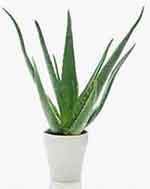
- Aloe vera
- Ash gourd
- Baobab fruit
- Broad beans
- Carrots
- Chickpeas
- Coffee
- Corn silk
- Cucumber
- Garlic
- Ginger
- Ginseng roots
- Haricot beans
- Kidney beans
- Lentils
- Liquorice root
- Navy beans
- Oats
- Onions
- Peanuts
- Potatoes
- Quinoa
- Soybeans
- Spinach
- Sugar beets
- Sunflower seeds
- Tea leaves (black and green)
- Tomatoes
Other plants rich in saponins
- Asparagus fern (Asparagus officinalis)
- Candelabra cactus (Isolatocereus dumortieri)
- Caatinga cactus (Pilosocereus gounellei)
- Chichipe cactus (Polaskia chichipe)
- Christmas rose (Helleborus niger)
- Creeping devil, caterpillar cactus (Stenocereus eruca)
- Creosote bush (Larrea tridentata)
- Daisies (Bellis perennis)
- Greasewood (Sarcobatus vermiculatus)
- Horse chestnut (Aesculus hippocastanum)
- Ironwood tree (Ostrya virginiana)
- Mesquite (Prosopis juliflora or Prosopis glandulosa)
- Prickly pear or nopal cactus (Opuntia ficus indica)
- Ocotillo (Fouquieria splendens)
- Organ pipe cactus, grey ghost organ pipe cactus, Baja organ pipe cactus and joconostle cactus (Stenocereus pruinosus and Stenocereus stellatus)
- Soapbark tree (Quillaja saponaria)
- Yucca (Asparagaceae family)
Related subjects
- A-Z of nutrients
- Anti-microbial healing plants and foods
- Bacterial infections and natural antibiotics
- Cancer
- Dementia (Alzheimer’s disease)
- Diabetes
- Feed your friendly bacteria
- Fungal and yeast infections
- Intestinal disorders
- Motor neurone disease
- Multiple sclerosis
- Parkinson’s disease
- Skin disorders
- Virus infections

Join our mailing list to receive your monthly emailed newsletter with all the latest scientific findings for natural health remedies.