
Citrulline is one of the three main amino acids in the urea cycle, along with arginine and ornithine. Once it passes the liver and intestines, it goes to the kidneys to be turned into arginine. Citrulline is taken up to a much greater degree in the gut than its counterpart arginine, and results in a higher plasma level of arginine via the arginine/ornithine/citrulline cycle. It is absorbed through numerous sodium dependent transporters.
The mechanism of which citrulline exerts its benefits is via aiding in ammonia detoxification. Ammonia is a byproduct from muscle metabolism during exercise. Citrulline, via arginine and nitric oxide synthase activity, reduces the oxygen cost of muscle processes and delays this process and enhances performance. It is implicated at increasing recovery rates during exercise and delaying time to exhaustion.
Citrulline rich foods can help to improve erectile dysfunction in men suffering from impotency. They can also lower blood pressure and help the body to overcome fatigue and stress. The right amount of citrulline levels in the body promote increased energy and also ensures the normal functioning of the immune system.
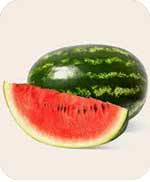
The primary differences between citrulline and L-citrulline lies in their chemical structures and forms. Citrulline is a non-essential amino acid, meaning that it can be synthesised by the body from other amino acids. It is also naturally found in certain foods like watermelon. Whereas L-citrulline is the biologically active form of citrulline, the ‘L’ in L-Citrulline refers to its chemical structure, specifically the orientation of its molecular bonds.
Natural sources of citrulline in alphabetical order
- Butternut squash
- Cucumber
- Kidney
- Beans
- Melon
- Oily fish
- Organ meats
- Peanuts
- Pumpkin
- Rabbit
- Soya beans
- Tofu
- Venison
- Watermelon
Related subjects