
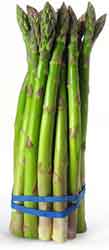
Asparagine is one of the most common natural amino acids on Earth and is closely related to aspartic acid. It was first isolated in 1932 from asparagus and is also widely available in many other plants and animal products.
Asparagine is required by the nervous system to maintain equilibrium which affects how nervous or calm a person is. It is created from another amino acid, aspartic acid and is also converted back into aspartic acid and releases energy that the brain and nervous system cells use for metabolism.
Asparagine is also required for amino acid transformation from one form to the another which is achieved in the liver. It also plays an important role in the biosynthesis of glycoproteins and is also essential in the synthesis of a large number of other proteins. The body produces some asparagine in the liver naturally and the rest comes from many types of foods.
Asparagine and breast cancer
It has been discovered that an aggressive form of breast cancer relies upon asparagine to spread but, because it is so prolifically found in foods and is necessary for so many important processes in the body, it is impossible to avoid consumption. It may also have an effect on other types of cancers that spread. Research is being done to find drugs that can inhibit the availability of asparagine to cancerous cells.
When foods containing asparagine are heat processed or fried a dangerous carcinogenic compound can be formed known as acrylamide. See>> Acrylamide dangers
Deficiency symptoms of asparagine
- Confusion
- Depression
- Headaches
- Irritability
- Psychosis
Highest sources of asparagine in alphabetical order
- Algae and seaweed
- Apples
- Asparagus
- Beef
- Eggs
- Cheese
- Fish
- Legumes
- Milk
- Nuts
- Oily fish
- Potatoes
- Poultry
- Rabbit
- Seeds
- Shellfish
- Soya beans
- Wheat
- Yoghurt
Related subjects
- A-Z of nutrients
- A-Z of natural foods and remedies
- Brain and mental health disorders
- Cancer
- Headaches and migraine
- Nerve disorders
References
- nature.com/articles/nature25465
- sciencedaily.com/releases/2018/02/180207140401.htm

Join our mailing list to receive your monthly emailed newsletter with all the latest scientific findings for natural health remedies.