
Pentadecanoic acid, also known as pentadecylic acid or C15:0, is an odd-chain saturated fatty acid. It has protective effects against cardiovascular disease, type 2 diabetes and metabolic dysfunction-associated liver disease. It also supports the immune system.
Pentadecanoic acid has been found to have a better safety profile and to have an additional 28 clinically relevant mechanisms when compared to omega-3 including those which reduce and balance inflammation.
Low levels of pentadecanoic acid are due to the increased consumption of low-fat or non-fat dairy products and highly processed foods that lack essential nutrients.
Natural sources of pentadecanoic acid in milligrams per 100 grams
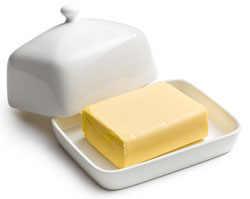
- Butter and milk full fat (820~880mg)
- Cream (450mg)
- Beef (310~450mg)
- Cheese (natural cheese 320~390mg, processed cheese 290mg)
- Fish (Pacific saury, mackerel and sardines 160mg)
- Palm oil (82mg)
- Pork (68mg)
NOTE: Cheeses such as buffalo mozzarella, pecorino romano, and roquefort have high levels of pentadecanoic acid. The highest source is from full-fat pecorino cheese made from grass-fed sheep.
Plant sources of pentadecanoic acid in alphabetical order
- Algae (brown)
- Broccoli (raw)
- Cabbage
- Chia seeds
- Cucmber
- Peanuts
- Seaweed
Related subjects

Join our mailing list to receive your monthly emailed newsletter with all the latest scientific findings for natural health remedies.